Cash, Cards and ATMs in Tainan
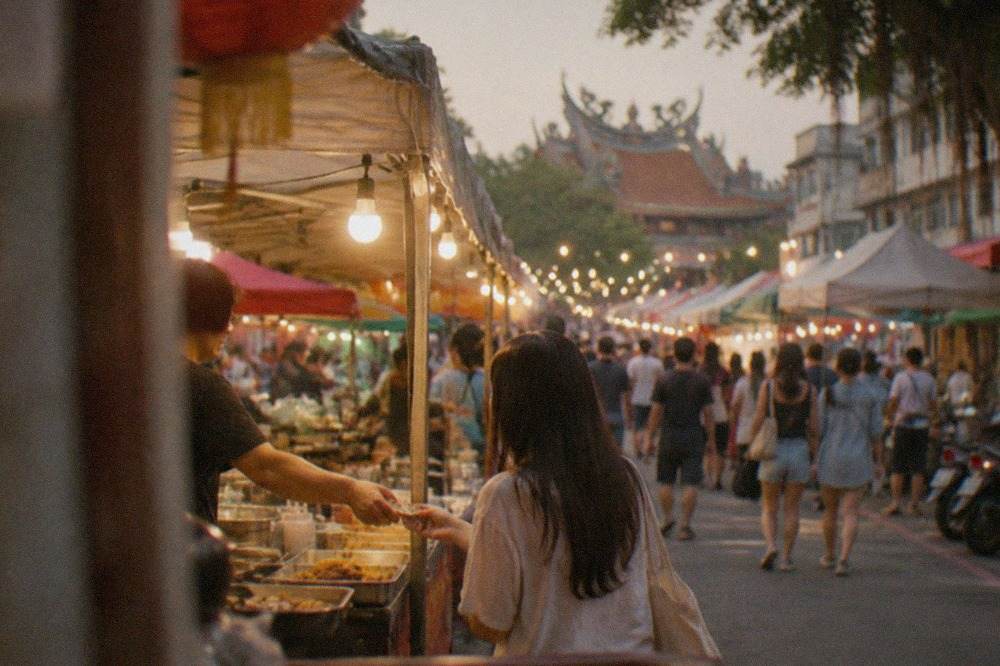
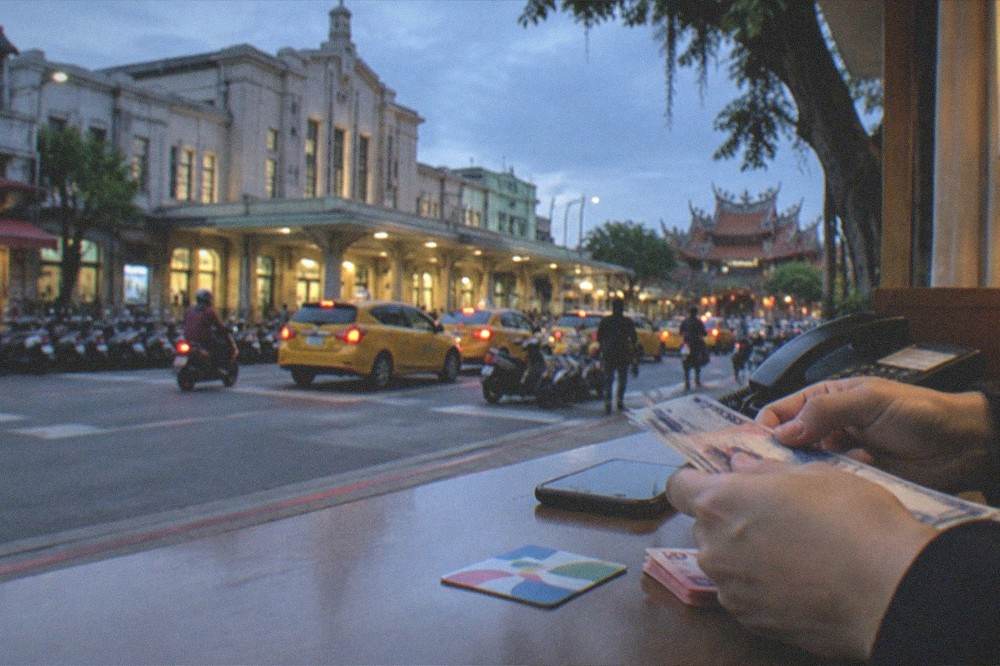
Tainan splits cleanly into two payment worlds: the modern one, where cards and phone payments work almost everywhere, and the old one, where a temple donation box, a beef soup stall and a night market vendor all want the same thing, folded notes. Knowing which world you are standing in is most of the battle.
Short answer
Carry cash in Tainan. Cards work at hotels, department stores, convenience stores and museums, but night markets, street food stalls, small eateries and temples are cash-first, and city buses are free for the first 8 km only if you tap an electronic card.
Tainan is the oldest city in Taiwan and, in payment terms, one of the most split. A department store on West Central Road will take a contactless card without a second glance. Two streets away, a stall selling danzai noodles from a bamboo pot may not take a card at all, and the temple across the lane certainly will not. This guide lays out which is which, what the verified fares and admission prices actually are, and how much cash a day in the city realistically needs. It is written by the editorial desk at Tainan Travel Guide from official sources, not from a single trip's impressions.
Do You Need Cash in Tainan?
Yes, unambiguously. Cash remains essential in Tainan for night markets, street food stalls, small family-run eateries, temple donation boxes and many taxis, and no official source publishes card acceptance for any of them. Cards and phone payments work reliably at hotels, department stores, chain restaurants, convenience stores and ticketed museums, so the practical answer is a mix: an electronic card for buses and a pocket of notes for everything the card readers never reached.
The split follows the age of the business more than the price of the thing being sold. A bowl of beef soup can cost less than a convenience store sandwich and still be cash-only, because the stall has run the same way for decades. Meanwhile the Tainan Art Museum takes iPASS and EasyCard at its ticket desk alongside cash, credit card and mobile payment, which the museum states on its own hours-and-tickets page. That is the shape of the whole city: the institutional and the modern take everything, the small and the traditional take notes.
Convenience stores are the safety net, and they are dense enough that running out of cash between top-ups is rarely more than a short walk. ATMs inside them dispense around the clock. If you are planning your arrival, our pages on getting around Tainan and the Taiwan High Speed Rail cover the transport side of the same question.
Where Do Cards Actually Work in Tainan?
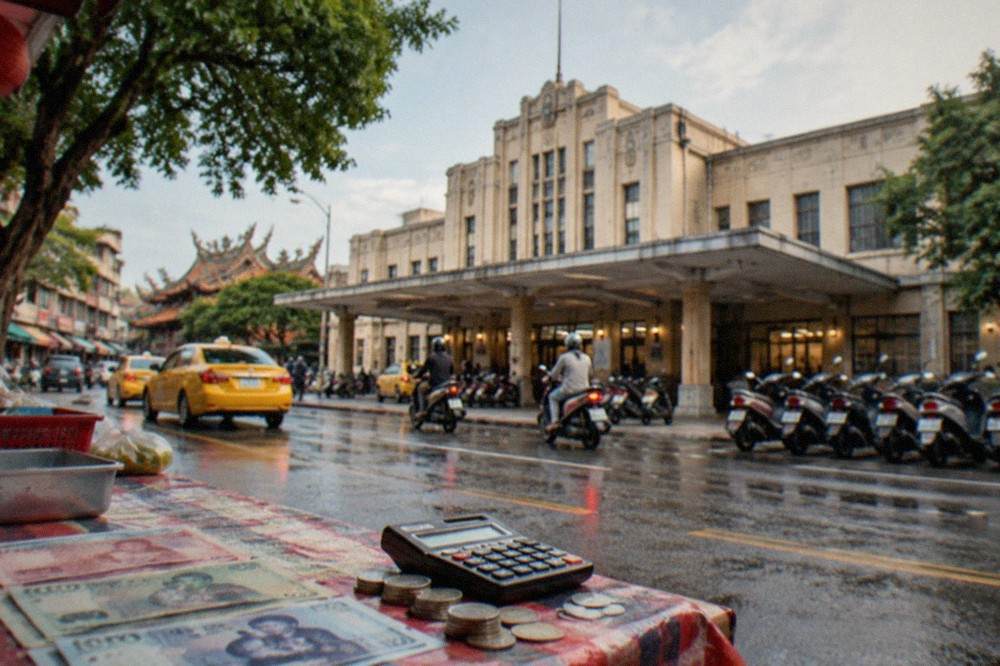
Cards work at hotels, department stores, chain restaurants, convenience stores, museums and larger shops, and at the Tainan Art Museum ticket desk specifically. Cash stays essential or preferred at night markets, street food stalls, small local eateries, temples, many taxis and some buses outside the major card systems. No official Tainan source publishes a full card-acceptance list, so treat any individual stall as cash-first until told otherwise.
The reliable rule of thumb is counter size and ceiling height. If the transaction happens under a roof with a till, a card will probably work. If it happens at a cart, a folding table or a temple counter, plan on notes. The city's own night markets are the clearest case: they rotate by day of the week, they are the cheapest eating in the city, and they are overwhelmingly cash territory.
| Situation | Payment to expect | Notes |
|---|---|---|
| Hotel front desk | Card, cash, sometimes phone payment | Large properties take everything |
| Department store | Card, phone payment | Central tills standard |
| Convenience store | Card, phone payment, EasyCard/iPASS | ATMs on site in most branches |
| Ticketed museum | Card, cash, sometimes EasyCard/iPASS | Tainan Art Museum confirms both cards at the desk |
| Night market stall | Cash | No official card-acceptance list exists |
| Street food stall | Cash | Same |
| Temple donation box | Cash | Always |
| City bus | Electronic card, or cash at 26 | Free first 8 km with a card, tap on and tap off |
One warning worth writing plainly: do not assume an EasyCard works on the High Speed Rail. It works on Tainan city buses and at the art museum desk, and that is the verified extent of it. Our EasyCard in Tainan page covers the card's real reach.
How Much Cash Should You Carry per Day in Tainan?
There is no verified official figure for daily spending in Tainan, because no city body publishes one, so the honest answer is built from the verified prices that do exist: a day of buses can cost nothing with an electronic card, the major ticketed sites cost 70 to 200 each, and food at markets and stalls is the cheap, cash-heavy part of the day. A comfortable approach is enough notes for every meal plus one admission, topped up at convenience store ATMs as needed.
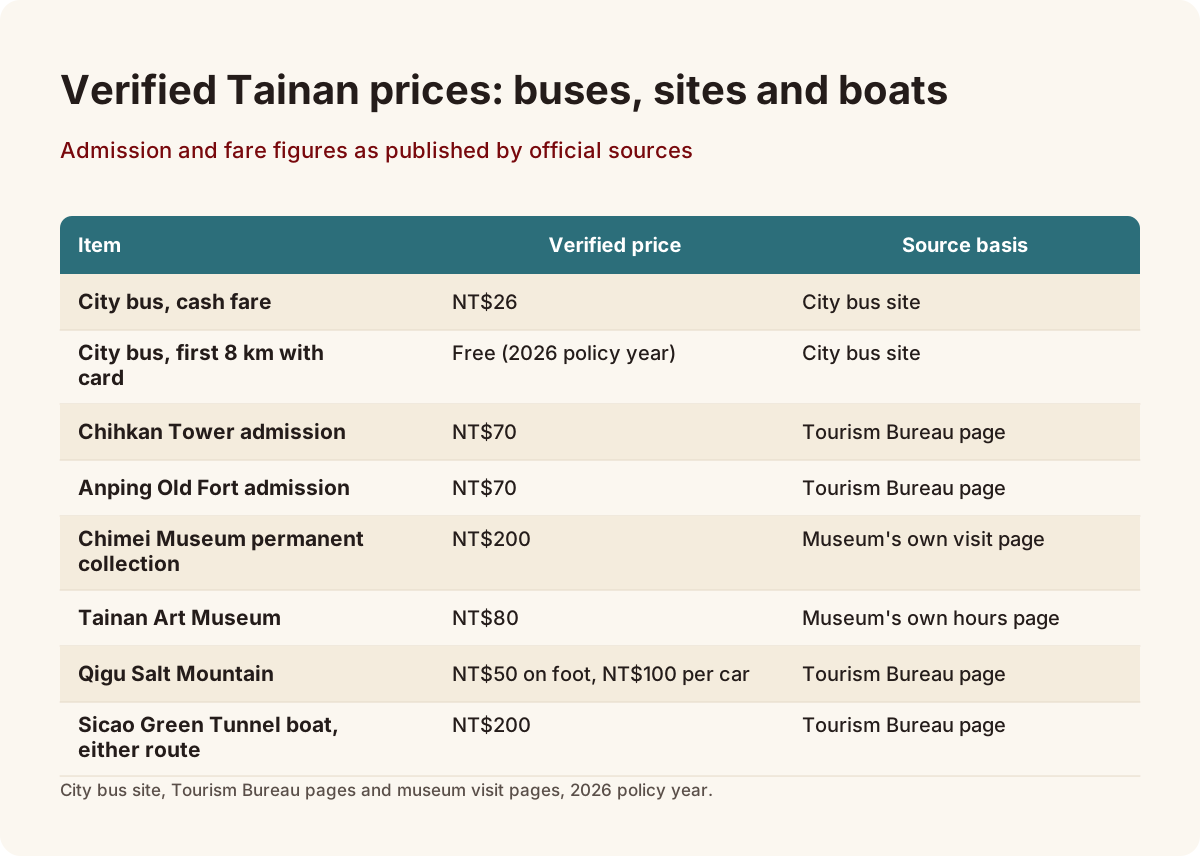
What makes this answerable at all is that the fixed, verifiable costs are small. Here is what the official sources actually state, all in New Taiwan dollars, all "at the gate" rather than guaranteed, since the city's own pages say the on-site notice governs:
| Item | Verified price | Source basis |
|---|---|---|
| City bus, cash fare | NT$26 | City bus site |
| City bus, first 8 km with card | Free (2026 policy year) | City bus site |
| Chihkan Tower admission | NT$70 | Tourism Bureau page |
| Anping Old Fort admission | NT$70 | Tourism Bureau page |
| Anping Tree House admission | NT$70 | Tourism Bureau page |
| Eternal Golden Castle admission | NT$70 | Tourism Bureau page |
| Chimei Museum permanent collection | NT$200 | Museum's own visit page |
| Tainan Art Museum | NT$80 | Museum's own hours page |
| Qigu Salt Mountain | NT$50 on foot, NT$100 per car | Tourism Bureau page |
| Sicao Green Tunnel boat, either route | NT$200 | Tourism Bureau page |
| Tainan Art Museum car park, weekends | NT$40 per hour | Museum's own hours page |
Against that spine, the unpriced part is food. No official price list exists for a bowl of beef soup, a plate of coffin bread or a night market snack, and inventing one would be dishonest. Qualitatively, Tainan's reputation across Taiwan is as the place where the eating is cheap and serious, and the city's food guide pages describe that world in detail. Budget the meals as the flexible part and the admissions as the fixed part, and the daily cash question mostly answers itself.
How Do the Free Bus Fares and Electronic Cards Work?
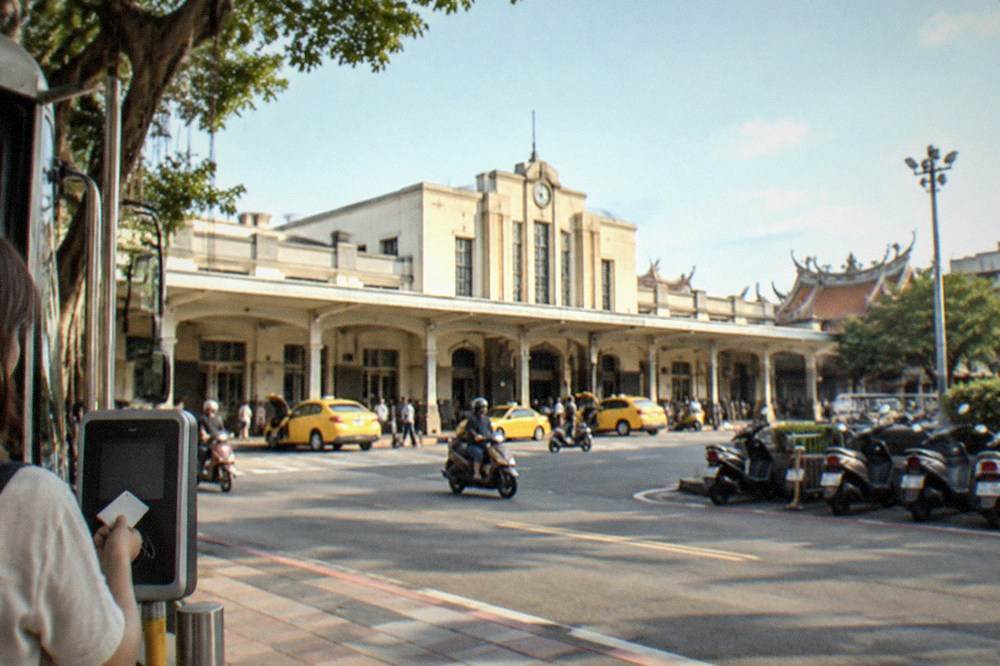
Tainan city buses are free for the first 8 km on trunk and branch routes, but only if you tap on AND tap off with an electronic card: a Citizen Card, iPASS, EasyCard or iCash 2.0. The cash fare for the same trip is NT$26. The scheme runs for the 2026 calendar year as a renewed annual policy, not a permanent entitlement, and the tap-off is the step visitors most often miss, which turns a free ride into a charged one.
The city's own bus site states the policy in English: passengers on the main and branch bus network, the green, blue, brown, orange, yellow and red routes, travel free for the first 8 km, a discount the page values at NT$26. The conditions sit in the fine print. You must hold one of the four named cards, you must tap when you board and tap when you leave, and the promotion is dated to the current calendar year, so it is worth re-checking rather than assuming. Tourist buses and the HSR express bus are excluded from the citizen-card discounts.
There is also a transfer discount worth knowing: with the same cards, transferring between Taiwan Railway and a Tainan bus within 2 hours gives NT$9 off a city bus, or the free basic distance plus a further NT$9 off on a trunk or branch bus. Using another mode in between, such as a public bike, voids it.
The one card-free exception is the H31 shuttle. The H31 Tainan City Government Line express bus to the HSR station is free for High Speed Rail passengers on production of a ticket stub, with no card tap needed. Other passengers pay NT$18 for one section or NT$36 for two, with the section break at the Chimei Museum. The Tainan HSR station page covers that transfer in full, and Taiwan High Speed Rail's own fare table lists NT$1,350 for a reserved standard seat from Taipei to Tainan, which is the ticket that makes the shuttle free.
Where Do You Get Cash in Tainan?
Convenience store ATMs are the standard answer, and the chains operate dense networks across every district of the city, with branches reliable for foreign card withdrawals around the clock. No official Tainan source publishes an ATM map or a fee schedule, so the honest guidance is structural: ATM density tracks convenience store density, withdrawal limits and fees come from your own bank, and a card that works in one chain's machine will work in the next.
The practical sequence most visitors settle into is a small withdrawal on arrival, spent down through the night markets, then topped up when a convenience store appears. Because the stores are everywhere, the planning question is not "where is an ATM" but "how much do I want to be holding at a market at midnight". Notes in small denominations help at stalls, where a large note first thing in the evening can be awkward for a vendor working from a small float.
If you are arriving by air, the Tainan airport is small and mostly domestic, and most international visitors arrive through Taoyuan or Kaohsiung and continue by rail, which means the first ATM stop is usually a station or a city convenience store rather than an airport arrivals hall. The pages on Taipei to Tainan and Kaohsiung to Tainan cover those routes.
Is Tainan Expensive Compared with the Rest of Taiwan?
No verified official comparison exists, and none should be invented, but the structural facts point one way: Tainan's fixed costs are low by big-city standards, with every major ticketed site at NT$70 except the Chimei Museum at NT$200 and the art museum at NT$80, buses free for the first 8 km with a card, and a street food culture that is the core attraction rather than an add-on. The expensive line items are hotels and intercity rail.
The verified spine makes the case better than any impression could. The four big historic sites, Chihkan Tower, Anping Old Fort, the Anping Tree House and the Eternal Golden Castle, each cost NT$70 at the gate, per the pages the Tainan City Government Tourism Bureau publishes for each site. Concessions are half price at the city sites, and Tainan residents enter free with ID, though a visitor is not a resident and should not plan on that. The free-entry list is long and real: the Confucius Temple, the Grand Matsu Temple, the Five Concubines Temple and Kaiyuan Temple all charge nothing.
The genuinely variable costs sit outside this file's verified numbers. Hotel rates belong to live booking data, not to a city price list, and our Tainan hotels and where to stay pages handle that side. What can be said here is that the pattern of spending in Tainan is unusual: more of the budget goes to food, less to admissions, than in most historic cities, because so much of what makes the city worth visiting, the temples, the old streets, the markets, costs nothing to enter.
What About Tipping, Receipts and the Uniform Invoice Lottery?
Taiwan is not a tipping culture, and no official Tainan or national source instructs visitors to tip: prices at stalls, restaurants and taxis are the prices paid, and rounding up or leaving change is a courtesy rather than an expectation. Every legitimate purchase should produce a receipt, and in Taiwan receipts carry a national invoice lottery, so the standard local habit is to keep them rather than bin them.
The no-tipping norm is worth stating firmly, because visitors from tipping cultures routinely overspend out of habit. A night market vendor quotes a price, you pay it, and the transaction ends there. Taxis are metered, though no verified Tainan fare schedule exists to publish, so the fare on the meter is the fare.
The uniform invoice lottery is a genuine local quirk with a payment angle. Receipts from registered businesses enter a government-run prize draw with winning numbers published periodically, and it is why convenience store counters often have a small stack of discarded receipts next to a donation box. Declining a receipt does nothing for you; taking one costs nothing and occasionally wins. For visitors it is mostly a reason not to treat receipts as rubbish.
How Does Paying Work at Tainan's Night Markets?
Night markets in Tainan are cash-first environments, and no official source publishes card acceptance for any stall, so the working assumption should be notes and coins for every purchase. The markets rotate by day of the week, verified from the Tourism Bureau's own pages: Garden runs Thursday to Sunday, Wusheng Wednesday, Friday and Saturday, Dadong Monday, Tuesday and Friday, and Siaobei is indoors and open every day, which makes it the wet-weather and wrong-night fallback.
The rotation matters for cash planning more than it might seem, because market night is the night a visitor holds the most paper money. Friday is the one night all three big outdoor markets run at once. Wednesday is the thinnest, with Wusheng alone. The city updates these pages, and the days do change, so a check before you go is part of the routine.
| Night market | Open days | Hours | Setting |
|---|---|---|---|
| Garden Night Market | Thursday, Friday, Saturday, Sunday | 17:00 to 00:00 | Outdoor |
| Wusheng Night Market | Wednesday, Friday, Saturday | 17:00 to 00:00 | Outdoor |
| Dadong Night Market | Monday, Tuesday, Friday | 18:00 to 01:00 | Outdoor |
| Siaobei Night Market | Every day | 12:00 to 00:00 | Indoor |
The eating itself is covered in depth on our street food and danzai noodles pages. On payment, the structural advice stands: carry more cash on a market night than any other night of the week, keep it in small denominations, and expect every transaction to end at the stall rather than at a till.
Do You Pay to Enter Tainan's Temples and Old Streets?
Most of Tainan's temple and street heritage is free to enter, verified from the city's own pages: the Confucius Temple, the Grand Matsu Temple, the Five Concubines Temple and Kaiyuan Temple all charge nothing, and old streets such as Shennong Street and the Anping old street are public roads with no gate at all. The paid sites are the Dutch-era forts and the museums, at NT$70 to NT$200 each, so a cash-light day and a cash-heavy day are both easy to design.
The free list deserves emphasis because first-time visitors often budget as if every historic site in Taiwan's oldest city charges. It does not. The Tainan temples page maps the free ones, and the pattern is consistent: a working temple is a place of worship with a donation box, not a ticket desk. The Confucius Temple is open 08:30 to 17:30 and closed only on Lunar New Year's Eve.
The paid heritage is concentrated in four NT$70 sites, and one of them, Chihkan Tower, keeps unusual hours: it is open 08:30 to 21:30 daily, which the Tourism Bureau's own page confirms, making it one of the few historic sites in the city a visitor can see after dinner. The Chimei Museum at NT$200 is the priciest entry on the standard list, closed every Wednesday, with last entry at 17:00.
What Should You Book Ahead Versus Pay in Cash?
The things worth booking ahead in Tainan are the structured experiences, guided walks, day tours to the lagoon coast, museum entry and cultural sessions, because they run on schedules and group sizes, while the things paid in cash are the spontaneous ones: market meals, temple donations, bus top-ups and small purchases. Booking a structured day also changes the cash question, because a pre-paid tour day needs almost none, while a self-guided market day needs plenty.
This is where a money page earns its keep by being honest: most of Tainan is not a booking. Temples, old streets, the canal, the salt flat viewpoints and every free-entry site cost nothing and need no ticket, and a page that pretends otherwise would be a shop rather than a guide. The genuinely bookable layer is thin but real, and it is the layer where advance planning pays.
The split has a practical rhythm. Mornings suit the ticketed and bookable: museums, forts, the lagoon boats at Sicao, where both routes cost NT$200. Evenings suit the cash world: the night markets, the late-open Chihkan Tower, the temple streets. A visitor who books the morning and cashes the evening gets the best of both payment worlds without ever standing at a stall wishing for a card reader.
What About Emergencies and Backup Cards?
The standard backup structure in Taiwan is a second card from a different network plus an electronic fare card holding stored value, because the fare card doubles as small cash in any convenience store and at the Tainan Art Museum desk, and convenience store ATMs provide round-the-clock access to bank funds. No official source publishes emergency services costs, so the honest advice is structural: spread payment methods, keep the fare card topped up, and treat the convenience store as the fallback.
Stored value is the underrated layer. An EasyCard or iPASS holding a few hundred dollars is not just a bus ticket, it is spendable at convenience stores and at the art museum, and it survives in exactly the situations where a wallet does not. Losing a wallet in Tainan is losing cards and notes; a fare card in a jacket pocket is a meal and a bus ride home.
For the wider safety picture, our Tainan safety habits belong in the same planning session as the money question, and the weather and typhoon season pages matter here too, because a typhoon day closes attractions and can strand a cash plan that assumed everything would be open.
Common Questions About Cash and Cards in Tainan
Do you need cash in Tainan?
Yes. Night markets, street food stalls, small eateries, temples and many taxis are cash-first, and no official source publishes card acceptance for them. Cards work at hotels, department stores, convenience stores and museums.
Can you pay by card at Tainan night markets?
Assume not. The city's night market pages describe the markets but publish no card-acceptance list, and the working assumption for every stall should be cash. Siaobei Night Market is indoors and open daily, but the payment reality is the same.
Does EasyCard work on Tainan buses?
Yes. The city's own bus site lists EasyCard, iPASS, the Citizen Card and iCash 2.0 as valid cards, and cardholders travel free for the first 8 km on trunk and branch routes during the 2026 policy year, provided they tap on and tap off.
How much cash should I carry per day in Tainan?
There is no verified official daily figure. Plan around the verified fixed costs, NT$70 site admissions, NT$200 for the Chimei Museum, NT$80 for the art museum, and carry enough notes for every meal plus one admission, topping up at convenience store ATMs as needed.
Are ATMs easy to find in Tainan?
Yes, structurally. Convenience store chains operate dense networks across the city and their machines dispense around the clock, so ATM access tracks convenience store density. Fees and limits depend on your own bank.
Do you tip in Tainan?
No. Taiwan is not a tipping culture, prices are the prices paid, and no official source instructs visitors to tip. Keep receipts if you like, since Taiwan's receipt lottery makes them worth a drawer rather than a bin.
The honest summary is that Tainan rewards preparation but does not punish spontaneity. Book the structured things, load a fare card, carry more paper than feels necessary on market nights, and the oldest city in Taiwan becomes one of the easiest to pay your way through.