Where to Stay in Tainan
Tainan's accommodation decision is really a decision about which cluster of streets you want to wake up in, and the verified facts about transport, night market nights and opening hours make that choice easier than it looks.
Short answer
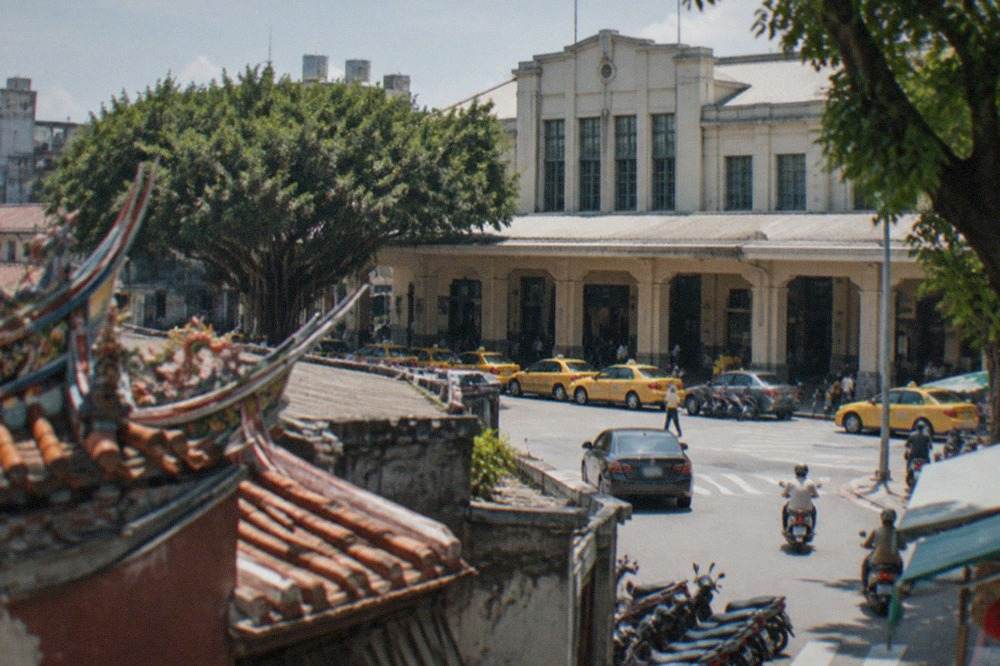
Stay in the old city around West Central District for temples, street food and Chihkan Tower's late 21:30 closing, or in Anping for the forts, the tree house and the waterfront. Avoid assuming the HSR station is in the city: it sits at Shalun in Guiren District, well outside the centre.
Where to Stay in Tainan
Tainan was Taiwan's capital for more than two centuries, until the late nineteenth century, and almost everything a visitor comes to see still sits inside two compact clusters: the old city around Chihkan Tower and the Confucius Temple, and the waterfront district of Anping. That geography makes the where-to-stay question unusually simple. Pick the wrong cluster and you add a bus ride to every evening; pick the right one and the city's temples, street food and night markets sit within walking distance or one free bus hop of your door.
The honest starting point is what the verified facts say, not what a hotel listing implies. The Tainan City Government Tourism Bureau's own pages cover the old city and Anping as the two areas with the deepest concentration of sights. The High Speed Rail station is not in either: it sits at Shalun in Guiren District, and reaching the centre means a transfer. City buses are free for the first 8 km with an electronic card, which quietly changes the arithmetic of staying slightly outside the core. This Tainan Travel Guide page walks through each option with the numbers that matter.
Where Is the Best Area to Stay in Tainan?
For most first-time visitors the best area to stay in Tainan is the old city, the West Central District streets around Chihkan Tower, the Confucius Temple and the Grand Matsu Temple, because it puts the temple trail, the street food streets and the evening sites within walking distance of one another. Anping is the strong second choice, better for a slower, waterfront stay built around the fort, the tree house and the old street.
The old city is where the density is. The verified sight list clusters the Confucius Temple, Chihkan Tower, the Grand Matsu Temple, the Five Concubines Temple, Wu Garden and the Sacrificial Rites Martial Temple into a walkable grid, and the city's own pages record free entry at the Confucius Temple, the Grand Matsu Temple, the Five Concubines Temple and Kaiyuan Temple. A visitor sleeping in West Central District can see four free-entry temples and two ticketed Dutch-era sites without ever needing a bus.
One detail that rarely makes it into accommodation write-ups: Chihkan Tower is open 08:30 to 21:30 daily, per the Tourism Bureau's own page for the site. That late closing is unusual in Tainan, where most historic sites shut between 17:10 and 17:30. Staying in the old city means you can have dinner first and still see a Dutch-era monument afterwards, which is effectively impossible from anywhere else.
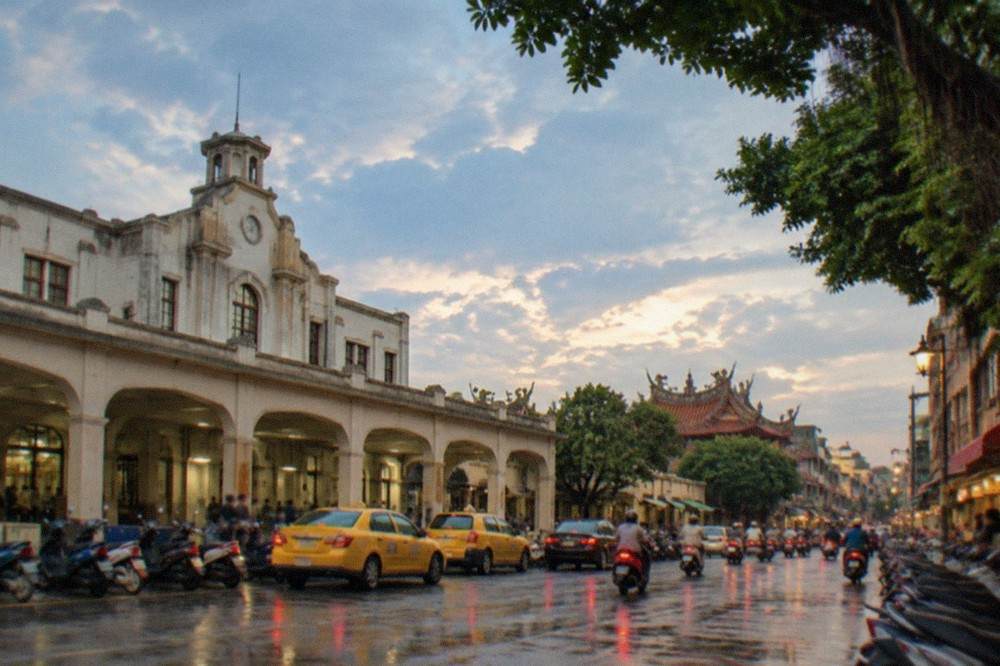
The free-entry temples also have generous hours that suit an old-city base. The Grand Matsu Temple opens at 06:00 and stays open to 21:00, the Confucius Temple runs 08:30 to 17:30 every day except Lunar New Year's Eve, and Kaiyuan Temple opens at 06:00 and closes at 17:00. An early riser in West Central District can visit two temples before breakfast, and the breakfast streets this city is known for are in the same grid. The city's own pages state all of these hours, and the on-site notice governs in every case.
For a fuller rundown of the neighbourhood-by-neighbourhood trade-off, see our answer to the best area to stay in Tainan, and for hotel-level detail the Tainan hotels guide covers the property landscape without inventing rates, which no verified source publishes.
Is It Better to Stay in Anping or the Old City?
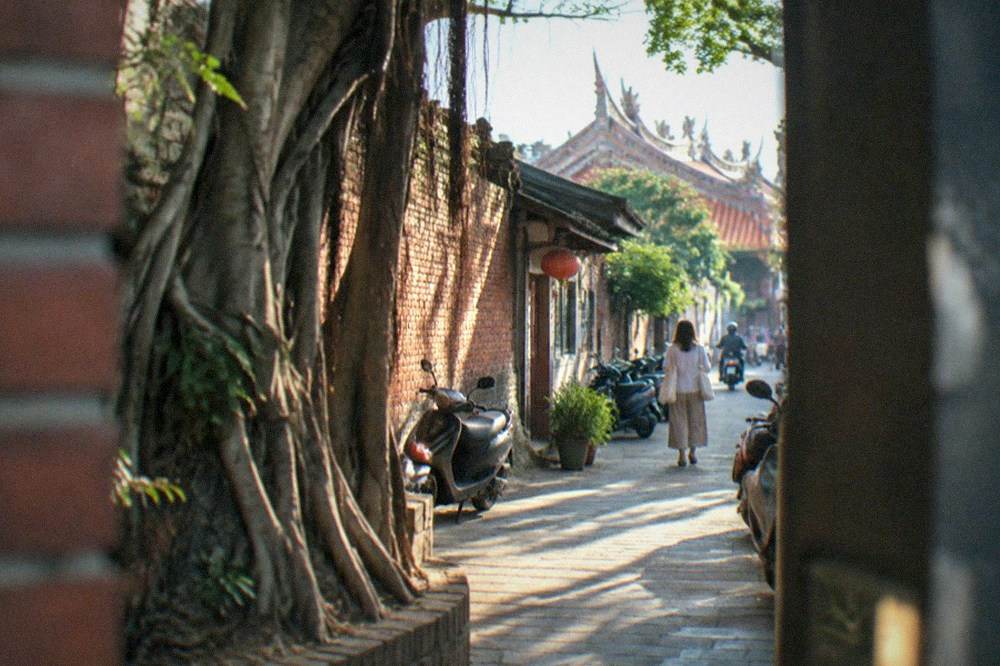
Anping suits a visitor whose trip is built around the fort, the Anping Tree House, the old street and the canal, and who is happy eating near the waterfront; the old city suits a visitor who wants the temple trail, the breakfast streets and the largest concentration of night-market access. Anping's ticketed sites all close by 17:30, so its advantage is daytime, not evening.
The Anping cluster is real and compact. Anping Old Fort is open 10:00 to 17:10 and costs NT$70 at the gate, the Anping Tree House is 08:30 to 17:30 at the same NT$70, and the Eternal Golden Castle, also NT$70, runs 08:30 to 17:30. The Tourism Bureau's Anping Old Fort page records the site's full history: the Dutch East India Company began Fort Zeelandia in 1624, completed it in 1634, and Koxinga took it in 1662. The only genuine Dutch-period remains are the brick walls of the south outer rampart; most of what visitors photograph is Japanese-era and 1975 renovation work.
Anping also drew 4,441,443 visitors as a district in 2023, according to the Tourism Administration's own dataset, roughly ten times Chihkan Tower's 443,622. The caveat matters: counts are compiled by each operator, and an open old street counts differently from a ticketed museum. Still, the shape is clear. Anping is a destination district, busy by day, quieter after the sites close.
A middle path exists: Anping's daytime plus the old city's evenings, connected by bus. City buses are free for the first 8 km with a Citizen Card, iPASS, EasyCard or iCash 2.0, provided you tap on and tap off, per the city's own bus ticket page. The cash fare for the same trip is NT$26. That makes the Anping-to-old-city hop effectively free, which is why this site treats the two clusters as one decision rather than two.
If you base yourself in Anping, one experience pairs naturally with the setting: a full-day qipao rental, which turns the old street and the fort walls into a photo backdrop. The operator's live listing shows current availability, and the rental runs a full day, which fits neatly into a schedule built around Anping's 17:30 site closings.
How Does the HSR Station Location Change Where You Should Stay?
The Tainan High Speed Rail station is not in Tainan's city centre: it sits at Shalun in Guiren District, outside the old city, so a hotel near the HSR station buys you a fast departure and a long commute to every sight. For anything except a one-night transit stop, stay in the old city or Anping and budget the transfer.
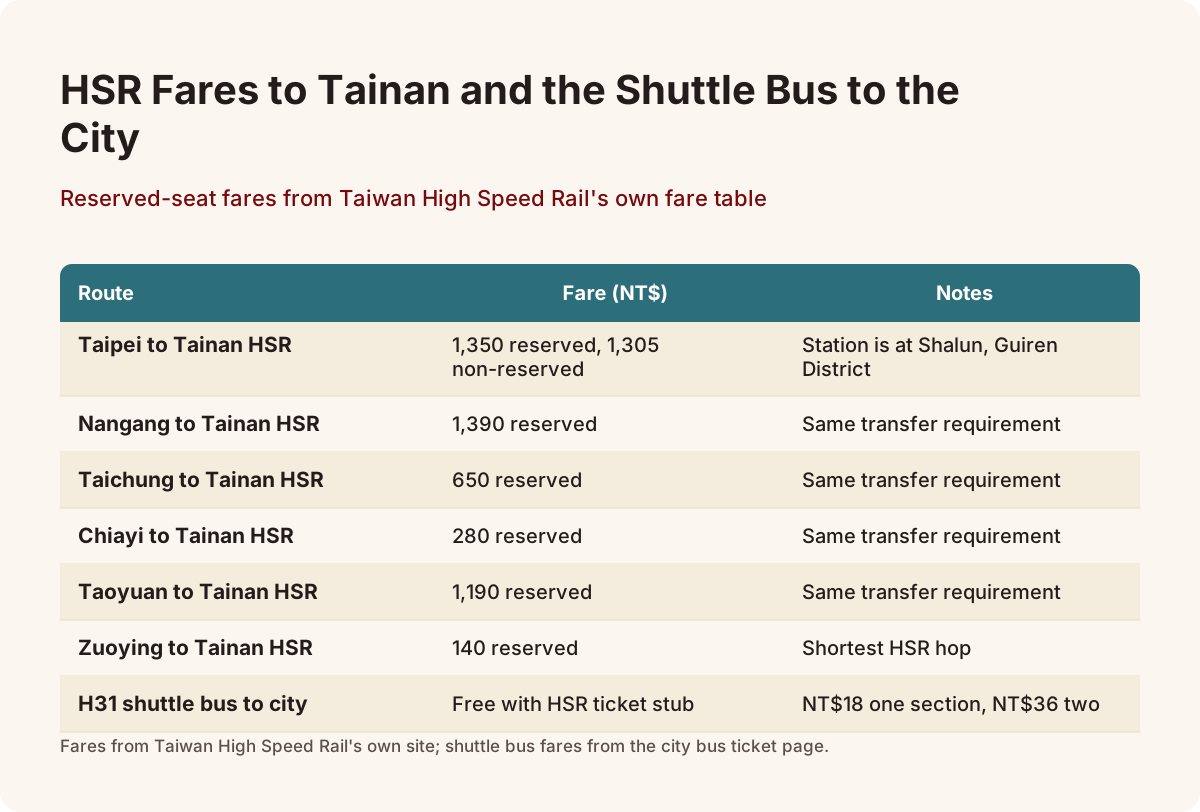
This is the single most common planning mistake in Tainan. The fare table on Taiwan High Speed Rail's own site lists Taipei to Tainan at NT$1,350 for a reserved standard seat and NT$1,305 non-reserved, with Zuoying to Tainan at NT$140 and Taichung at NT$650. But all of those fares deliver you to Shalun, and the city's attractions are kilometres away.
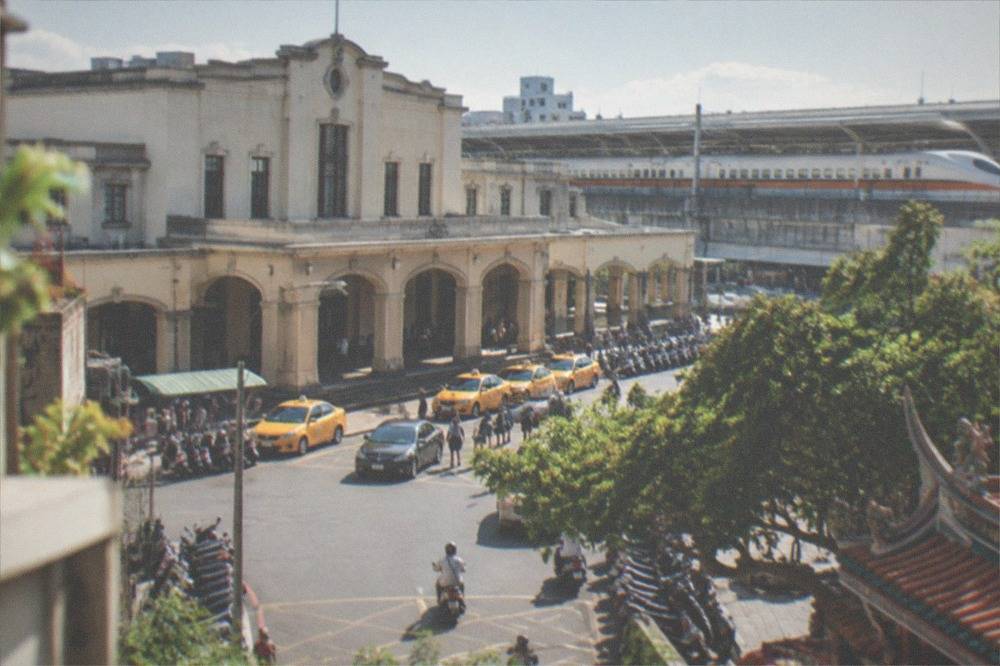
The verified transfer options are two. The H31 Tainan City Government Line express bus is free for HSR passengers on production of a ticket stub, with no card tap needed; other passengers pay NT$18 for one section or NT$36 for two, with the section break at the Chimei Museum, which places that museum on the shuttle route. Alternatively, the Shalun Line is a paid Taiwan Railway ticket connecting the HSR station toward the city, though its fare and frequency are not published in a form this site can verify, so check the operator directly.
| Route | Standard fare (NT$) | Notes |
|---|---|---|
| Taipei to Tainan HSR | 1,350 reserved, 1,305 non-reserved | Station is at Shalun, Guiren District |
| Nangang to Tainan HSR | 1,390 reserved | Same transfer requirement |
| Taichung to Tainan HSR | 650 reserved | Same transfer requirement |
| Chiayi to Tainan HSR | 280 reserved | Same transfer requirement |
| Taoyuan to Tainan HSR | 1,190 reserved | Same transfer requirement |
| Zuoying to Tainan HSR | 140 reserved | Shortest HSR hop |
| H31 shuttle bus to city | Free with HSR ticket stub | NT$18 one section, NT$36 two, otherwise |
Our Taipei to Tainan guide covers the arrival in detail, and the Tainan HSR station page walks through every transfer option. If you are weighing Tainan against a Kaohsiung base instead, the Kaohsiung to Tainan guide prices the daily hop at NT$140 each way on the HSR, which is the number that decides that argument.
Which Night Market Should You Sleep Near?
No single Tainan night market runs every night, so the honest answer is to stay in the old city and reach whichever big market is open that evening: Garden runs Thursday to Sunday, Wusheng Wednesday, Friday and Saturday, and Dadong Monday, Tuesday and Friday. Friday is the only night all three big outdoor markets run, and Siaobei, indoors, is the daily fallback.
The rotation is the most useful practical fact in Tainan, and it is verified market by market from the Tourism Bureau's own pages. A hotel next to Garden Night Market is quiet four nights a week. A hotel in the old city is a bus or short ride from whichever market is live, and the first 8 km of that bus is free with an electronic card.
| Day | Big markets open |
|---|---|
| Monday | Dadong (Siaobei, indoor, every day) |
| Tuesday | Dadong |
| Wednesday | Wusheng |
| Thursday | Garden |
| Friday | Dadong, Wusheng and Garden all open |
| Saturday | Wusheng, Garden |
| Sunday | Garden |
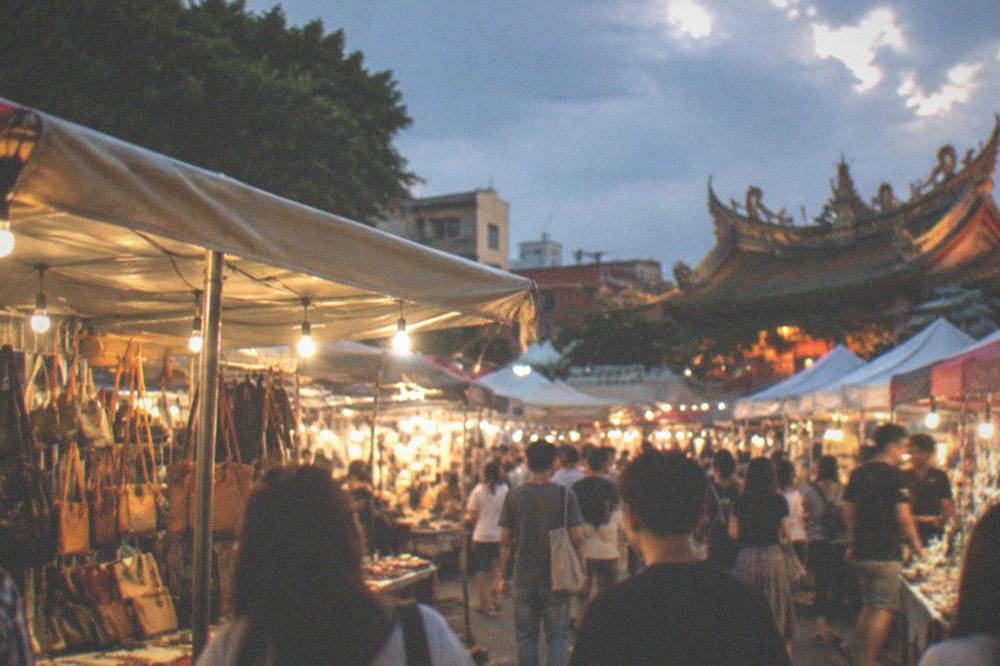
The hours matter as much as the days. Garden and Wusheng both run 17:00 to 00:00 on their open nights, while Dadong runs 18:00 to 01:00, an hour later at both ends, which suits a visitor who eats late. Siaobei is the structural answer to the rotation: indoors, open every day from 12:00 to 00:00, and therefore the wet-weather and wrong-night fallback no matter where you sleep. The city updates these pages and the days do change, so check before you go.
The Tainan night markets guide carries the full schedule and the per-market detail, and the food pages, from dan zai noodles to beef soup, explain what to order once you are there. A walking food tour solves the rotation problem for your first night: a guide takes you to whichever stalls are open, and the operator's live listing shows current availability.
What Is the Weather Like, and When Should You Book?
Tainan's rain is almost entirely a summer event: August averages 466 mm across 16 wet days while December gets 16 mm across 3, and nearly three-quarters of the annual 1,761 mm falls from May to September. October to March is the dry, comfortable half of the year, and the visitor data confirms it, with January and February, not summer, as Tainan's peak months.
The Central Weather Administration's 1991 to 2020 normals for Tainan show a city with 186 days a year above 30C, but concentrated heat rather than year-round heat: December to February maxima sit in the 23C to 24C range. October is the quiet sleeper month, the driest by wet days at 2.8 while still averaging 30.8C maxima. Annual sunshine runs to 2,185 hours, which is why the dry half of the year feels so reliably pleasant.
| Month | Mean max (C) | Rain (mm) | Wet days |
|---|---|---|---|
| January | 23.0 | 20.7 | 3.8 |
| February | 24.0 | 21.6 | 4.1 |
| April | 29.3 | 69.8 | 5.9 |
| July | 33.0 | 374.6 | 13.0 |
| August | 32.6 | 466.1 | 15.8 |
| October | 30.8 | 30.8 | 2.8 |
| December | 24.4 | 16.2 | 3.0 |
The visitor numbers line up exactly. Nankunshen Daitian Temple drew 6,583,100 visitors in 2023 with its peak in January, and Anping district peaked in February, both driven by pilgrimage and Lunar New Year. The European-trained instinct to visit in summer is, in Tainan, the instinct to visit in the wettest, hottest, least crowded season. The Tainan weather guide and the typhoon season page carry the detail, including the fact that typhoon risk concentrates in the late-summer months.
How Do You Get Around from Each Base?
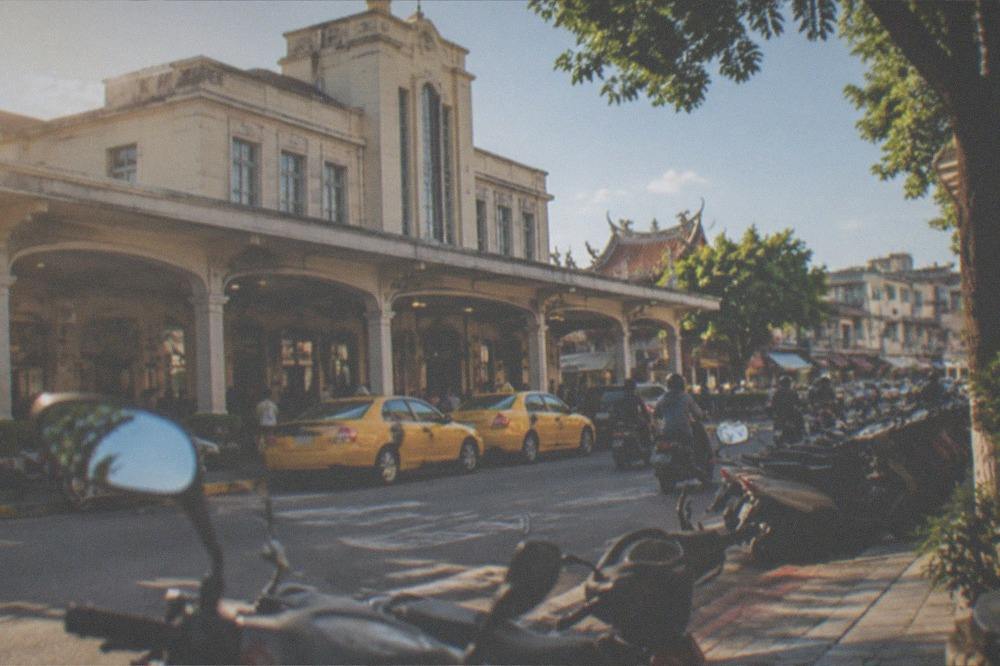
From an old-city or Anping base, the city's trunk and branch buses are free for the first 8 km with an electronic card, tap on and tap off, against a NT$26 cash fare, which makes short hops effectively free and slightly-out-of-centre hotels cheaper than they look. From the HSR station base, every sightseeing trip starts with the H31 shuttle or the Shalun railway line.
The bus policy is the quiet budget lever in this decision. The city's own ticket page states that trunk and branch routes, the green, blue, brown, orange, yellow and red network, are free for the first 8 km of travel with a Citizen Card, iPASS, EasyCard or iCash 2.0, a discount worth NT$26 against the cash fare. The scheme runs for the 2026 calendar year, so treat it as current policy rather than a permanent one. The tap-off is the part visitors miss: forget it and the discount does not apply.
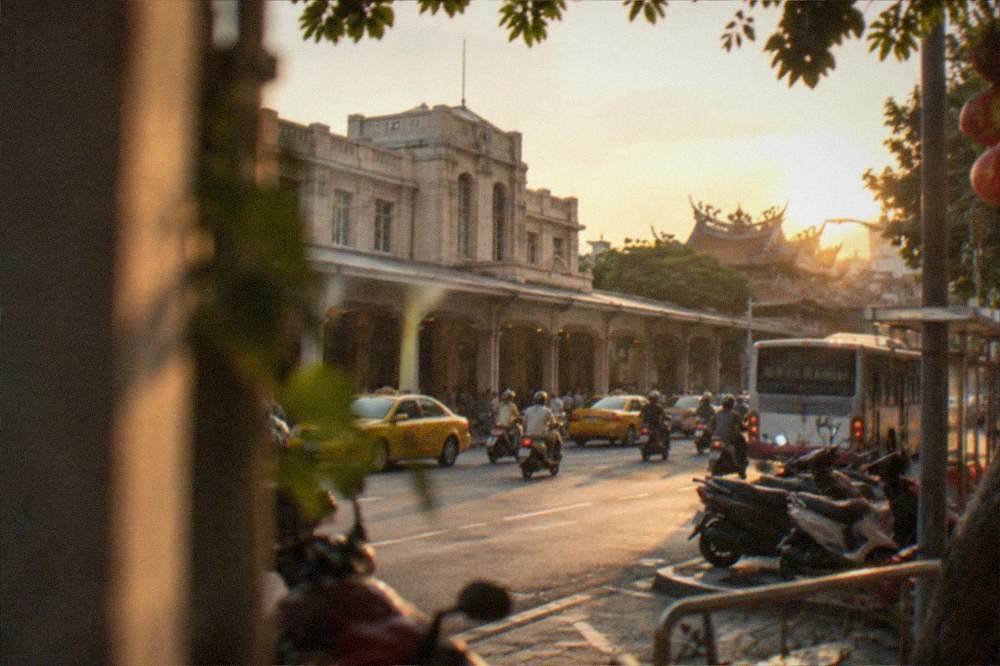
Practical implications, all drawn from the verified facts:
- Staying in the old city means most sights need no bus at all.
- Staying in Anping means a bus or a bike ride to the temple trail, free for the first 8 km.
- Staying near the HSR station means the H31 shuttle, free with an HSR ticket stub, or the paid Shalun railway line, before any of that begins.
- The Tainan Art Museum takes EasyCard and iPASS at its ticket desk, so one card covers the bus and the museum.
- Transferring between Taiwan Railway and a Tainan bus within two hours gives a further NT$9 discount with the same cards, though inserting another mode such as a public bike in between voids it.
The getting around Tainan guide expands every one of these options, and the English in Tainan page sets honest expectations for signage and menus.
Common Questions About Where to Stay in Tainan
Where To Stay In Tainan for a first visit?
West Central District, the old city around Chihkan Tower and the Confucius Temple. It puts the free-entry temples, the street food streets and the 21:30 closing at Chihkan Tower within walking distance, and every other option is a bus ride away.
Is it better to stay in Kaohsiung or Tainan?
They answer different questions. Kaohsiung is the transport hub with the bigger HSR interchange at Zuoying; Tainan is the historic core where the sights are. If temples, street food and Dutch-era forts are the point of the trip, sleeping in Tainan saves the daily NT$140 HSR hop each way.
Which part of Tainan should I stay in for night markets?
Stay in the old city and travel to whichever market is open. Garden runs Thursday to Sunday, Wusheng Wednesday, Friday and Saturday, Dadong Monday, Tuesday and Friday, and indoor Siaobei runs daily from noon to midnight. No outdoor market runs every night.
Should I stay near the Tainan HSR station?
Only for a one-night transit stop. The station is at Shalun in Guiren District, outside the city, and every sightseeing day starts with the H31 shuttle or the Shalun railway line. The old city and Anping are where the sights actually are.
Is Anping a good place to stay in Tainan?
Yes, for a waterfront stay built around Anping Old Fort, the Anping Tree House and the old street, all within a compact area. The trade-off is that every ticketed Anping site closes by 17:30, so evenings mean the old city or a night market.
When is the best time to book Tainan accommodation?
October to March is the dry, comfortable half of the year, and January and February are the peak visitor months on the official counts, driven by pilgrimage and Lunar New Year. Book early for that window; summer is wetter but quieter.
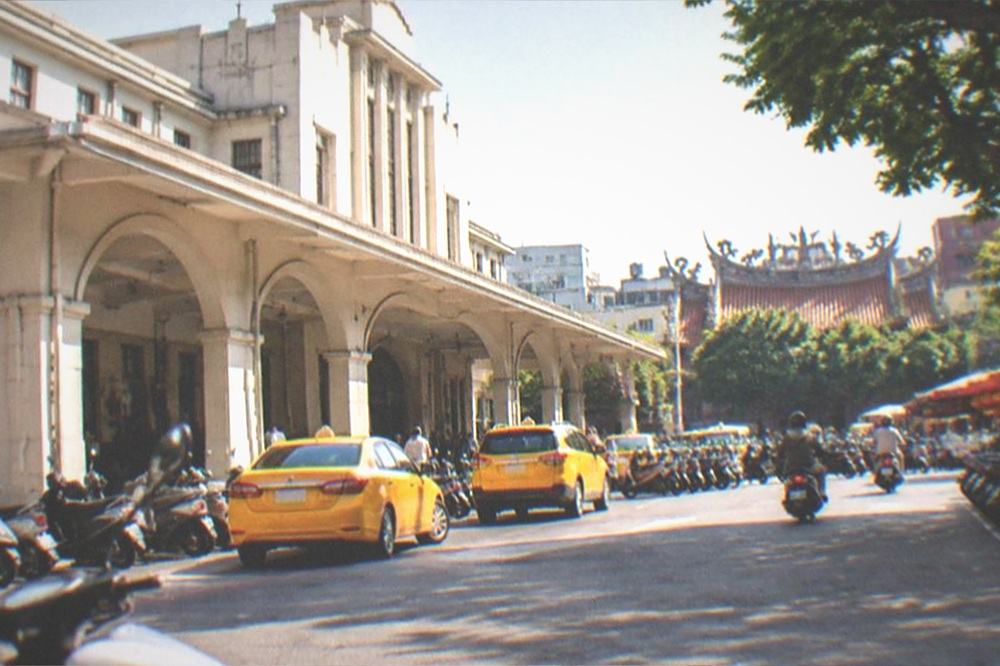
The final word is that Tainan rewards a base in the old city for a first visit and a base in Anping for a second, with the HSR station reserved for transit nights. Whatever you choose, carry an EasyCard or iPASS, check the night market schedule the day you arrive, and let the bus network's free first 8 km widen your options. For a day out that leaves from the city and covers the coast, a guided day tour of the reservoir country and the ancient capital runs year-round, and the operator's live listing shows what is currently bookable.
With the base chosen, the rest of the plan falls into place: the temple trail on day one, Anping on day two, and whichever night market the calendar says is live. The old city and Anping are close enough, and the buses cheap enough, that the honest answer is whichever bed lets you start walking soonest.