Tainan Beef Soup
Tainan beef soup is the city's most famous dish, a clear broth poured raw-thin over freshly sliced beef, and this guide covers what it is, where the stalls cluster, and how to plan a morning around it.
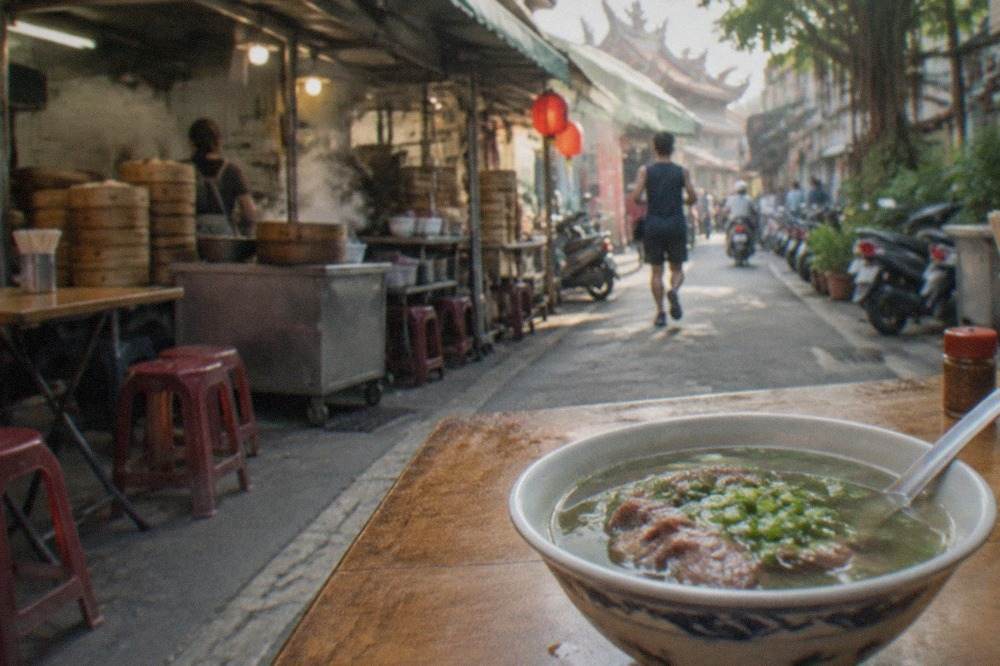
Short answer
Tainan beef soup is a clear broth served with raw-thin sliced beef cooked in the bowl, traditionally eaten at dawn, and the stalls that serve it cluster in the old city center and around the night market districts.
Tainan beef soup is the dish the city is most argued about, written about, and queued for, and almost none of that argument is about the recipe. It is about the hour. The soup is a clear broth, built from beef bones simmered for hours, poured scalding over slices of beef so fresh they are still trembling, and the meat cooks in the bowl in front of the diner. The Tainan City Government Tourism Bureau's food pages treat it as one of the city's defining dishes, alongside danzai noodles and coffin bread, and the reason it is a breakfast food rather than a dinner one is a matter of supply chains that are worth understanding before planning a trip around it.
What Is Tainan Beef Soup?
Tainan beef soup is a clear, unsalted-seeming broth made by simmering beef bones for many hours, then ladling it boiling over paper-thin slices of raw beef so the meat cooks in the bowl, served with rice and a small dish of pickles. It is eaten at breakfast, in bare storefronts that open before sunrise, and it is the dish Tainan is most famous for. The broth carries no soy sauce and no thickener, which is the point: the drinkable soup is the whole dish, and the beef is judged by how it takes the heat. The cuts vary, and the menus are short.
The reason for the dawn service is the meat. The traditional story, repeated across the city's food writing, is that Tainan's proximity to local slaughterhouses in the surrounding district meant beef could go from the abattoir to the pot within hours, and the only way to serve meat that fresh is to open when it arrives. Whatever the exact logistics today, the breakfast framing has survived as a matter of pride, and a stall that serves beef soup at 5 a.m. is making a claim about its supply chain as much as its cooking.
The dish itself is simple to describe and hard to fake. Bone broth, sliced beef, a bowl of rice on the side, sometimes a raw egg yolk dropped in, sometimes ginger shreds and scallion. The regional variations within Tainan are about the cut of meat and the sweetness of the broth, and locals argue about both with the seriousness that other cities reserve for sports teams. Nobody writing this site has tasted any of it, so this guide sticks to what the dish is, where it is served, and how to plan around the hours, and a food and culture walking tour is one way to have the stalls decoded by someone who eats there.
Where Do the Beef Soup Stalls Cluster in Tainan?
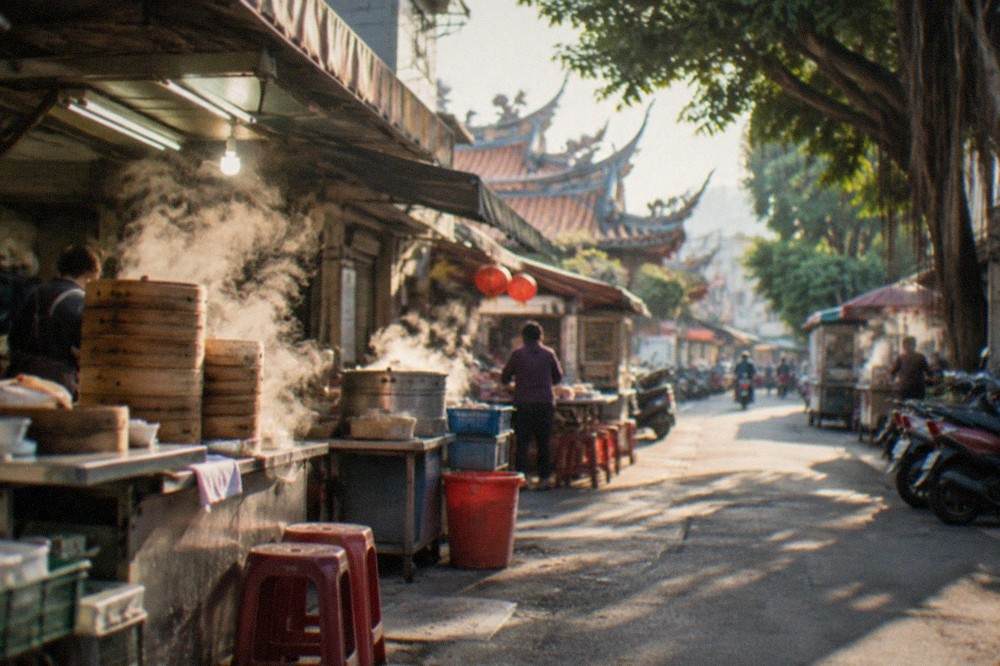
The beef soup stalls cluster in three zones: the West Central District around the old city core near Chihkan Tower and the Confucius Temple, the Yongkang district on the eastern side of the city, and the streets feeding the night market areas in the North District. Each zone has its before-dawn openers, and most stalls sell out by mid-morning. The West Central cluster is the one most visitors can walk to, because it sits inside the ring of historic sites that makes up the old capital.
The geography matters for planning. A stall that opens at 4 a.m. and sells out by 9 a.m. cannot be fitted into an afternoon of temple-hopping, so the honest advice is to make the soup the first stop of the day and build the rest of the morning outward from it. Chihkan Tower opens at 08:30 and, unusually for a historic site, stays open until 21:30 daily, which means it can absorb either end of the day; the Chihkan Tower guide covers what the site is and what the ticket costs. A dawn bowl of soup followed by the old city on foot is the shape most first-time visitors end up with, and the one day in Tainan itinerary is built around exactly that sequence.
The stall landscape changes, and this site will not pretend otherwise. Two long-established names on the Tainan food scene closed recently, a 60-year-old meatball stall on Guohua Street in May 2026 and a famous braised pork rice shop whose owners retired, both reported in Taiwanese food media. No beef soup stall of equivalent standing is reported as closed, but the lesson stands: treat any specific stall recommendation as something to re-check, and treat the dish, not any single address, as the destination.
How Do You Plan a Beef Soup Morning Around the Night Market Schedule?
You plan it by day of the week. Tainan's big outdoor night markets rotate, Garden runs Thursday to Sunday, Wusheng runs Wednesday, Friday and Saturday, Dadong runs Monday, Tuesday and Friday, and only Siaobei, which is indoors, opens every day. A beef soup breakfast pairs naturally with a night market the evening before, and Friday is the one night when all three outdoor markets run. The schedule below is from the Tainan City Government Tourism Bureau's own attraction pages, and the city updates them, so check before you go.
| Market | Open | Hours | Character |
|---|---|---|---|
| Garden Night Market | Thursday, Friday, Saturday, Sunday | 17:00 to 00:00 | The biggest of the three, in the North District |
| Wusheng Night Market | Wednesday, Friday, Saturday | 17:00 to 00:00 | The oldest-established of the rotating trio, West Central side |
| Dadong Night Market | Monday, Tuesday, Friday | 18:00 to 01:00 | East District, runs latest |
| Siaobei Night Market | Every day | 12:00 to 00:00, indoor | The wet-weather and wrong-night answer |
The night market guide carries the full detail, but the shape is this: a Friday arrival gives the most options, because all three outdoor markets run and a very late Dadong night slides easily into a very early soup. Wednesday is the thinnest night, with Wusheng alone, and Siaobei is the fallback when the day of the week does not cooperate. Locals compress all this into a seven-character rhyme, but the rhyme is shorthand rather than an official schedule, and it understates the Friday overlaps, so the table is the thing to trust.

One more scheduling fact is worth having: Dadong split into two separate operations in late 2025, which Taiwanese media reported as thinning the crowds at both, so a Monday or Tuesday Dadong night is currently a calmer experience than the same night two years ago. That kind of detail changes, which is the standing reason every market day on this site carries a check-before-you-go caveat.
What Do You Order Alongside Beef Soup in Tainan?
The classic companions are danzai noodles, a small bowl of noodle soup topped with minced pork and shrimp, coffin bread, a hollowed fried loaf filled with a creamy savory filling, and milkfish soup, another Tainan signature built on the local milkfish trade. None of these has an official price list, so budget qualitatively: street food in Tainan is cheap by the standards of Taiwan's big cities. All three dishes have their own histories in the city, and the stalls that serve them sit on the same streets as the soup stalls.
| Dish | What it is | Where this site covers it |
|---|---|---|
| Danzai noodles | Noodle soup with minced pork, shrimp and a dark broth, served in small bowls | Danzai noodles guide |
| Coffin bread | A thick fried bread slab hollowed out and filled, a Tainan invention | Coffin bread guide |
| Milkfish soup | Clear soup with milkfish belly or fillet, part of Tainan's coastal cooking | Milkfish soup guide |
| Beef soup | Bone broth poured over raw-thin sliced beef, a breakfast dish | This page |
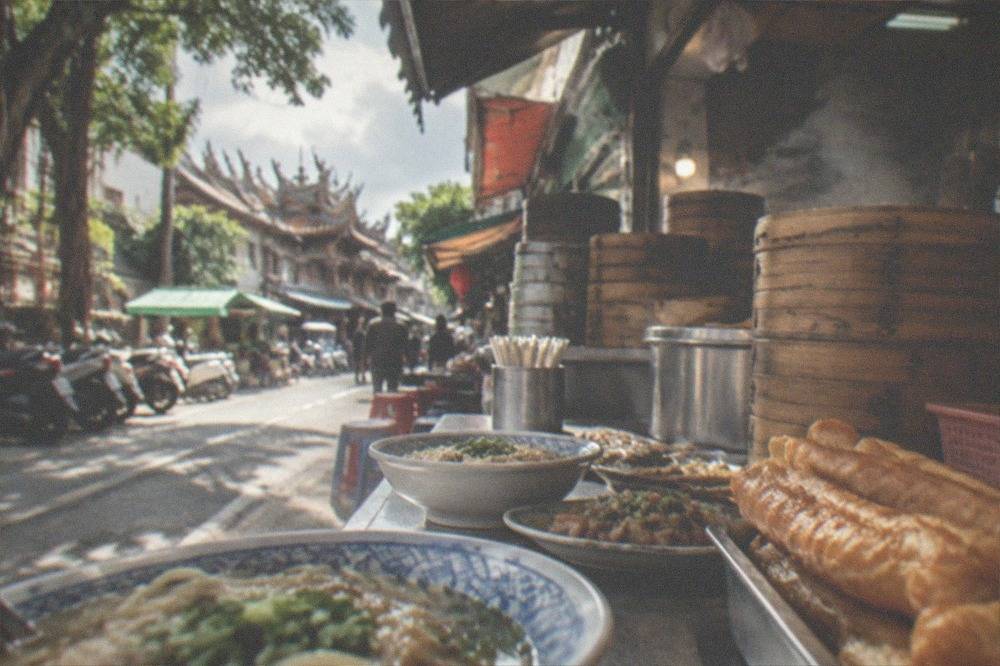
The ordering culture rewards small portions. A bowl of soup, a bowl of noodles, a shared coffin bread and a side of pickles is a full breakfast by any standard, and the stalls expect turnover rather than lingering. The street food overview puts these dishes in the wider context of the city's eating, and the Tainan food guide is the umbrella page for the whole subject. This site does not rank stalls, because no writer here has eaten at any of them and no verified ranking exists; what the guides do instead is explain what each dish is and where its streets are.
How Do You Get Between the Food Stops in Tainan?
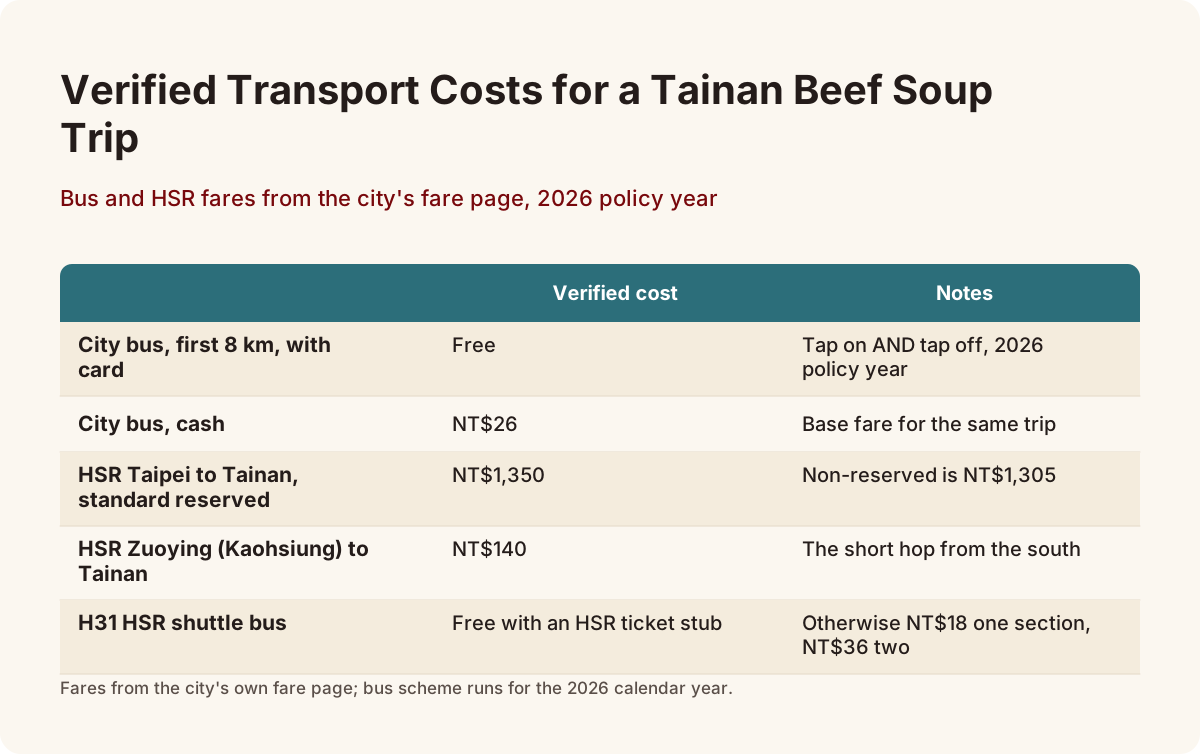
City buses are free for the first 8 km with an electronic card, Citizen Card, iPASS, EasyCard or iCash 2.0, on the trunk and branch network, and the cash fare for the same trip is NT$26. You must tap on and tap off, and the tap-off is the part visitors miss, so the practical advice is to carry an EasyCard or iPASS and treat short hops across the food districts as free. The scheme runs for the 2026 calendar year, so treat it as current policy rather than a permanent one, and re-check before a later trip.
| Transport | Verified cost | Notes |
|---|---|---|
| City bus, first 8 km, with card | Free | Tap on AND tap off, 2026 policy year |
| City bus, cash | NT$26 | Base fare for the same trip |
| HSR Taipei to Tainan, standard reserved | NT$1,350 | Non-reserved is NT$1,305 |
| HSR Zuoying (Kaohsiung) to Tainan | NT$140 | The short hop from the south |
| H31 HSR shuttle bus | Free with an HSR ticket stub | Otherwise NT$18 one section, NT$36 two |
The bus detail comes from the city's own fare page, and the card requirement is the whole trick: a visitor without an EasyCard pays 26 per trip, a visitor with one pays nothing for most food-district hops. The getting around guide and the EasyCard guide cover the mechanics in full, and the Tainan bus guide lists the routes. Note that EasyCard works on city buses and at the Tainan Art Museum ticket desk, but this site makes no claim that it works on the High Speed Rail, because that is not verified.
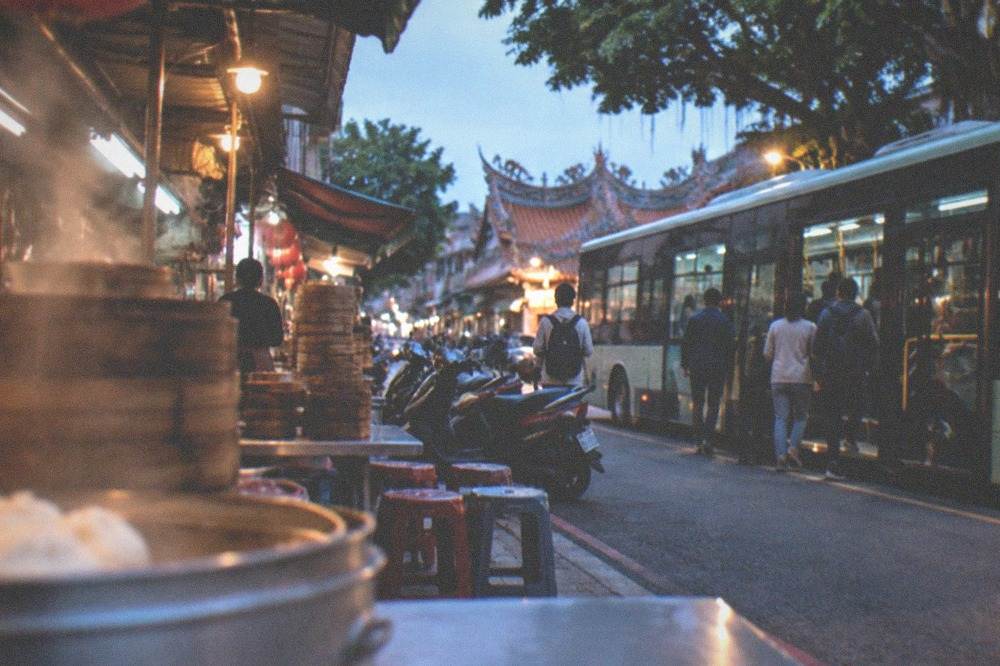
One arrival fact that catches people out: the HSR station is not in Tainan, it is at Shalun in Guiren District, well outside the old city, and reaching the center means a transfer. The H31 shuttle is free for HSR passengers on production of a ticket stub, and its section break is at the Chimei Museum, which puts the museum on the shuttle route. The Tainan HSR station guide and the Taipei to Tainan guide cover the arrival sequence, and the Kaohsiung to Tainan guide covers the short southern hop, which is NT$140 standard reserved.
When Is the Best Time to Plan a Beef Soup Trip to Tainan?
October to March is the comfortable half of the year: the Central Weather Administration's 1991 to 2020 normals for Tainan show December brings just 16 mm of rain across 3 wet days, and October averages 30.8C maxima with fewer wet days, 2.8, than any other month. The rain is almost entirely a summer event, with August at 466 mm across 16 wet days, so a soup-and-temples morning is far more likely to survive intact in the dry season. Nearly three-quarters of the annual 1,761 mm falls between May and September.
| Period | Rain pattern | What it means for a food morning |
|---|---|---|
| October to March | Dry, 16.2 to 69.8 mm per month | The reliable window for dawn queues and walking |
| April | 69.8 mm, 5.9 wet days | Transitional, warming fast |
| May to June | 165.6 to 370.5 mm, plum rain builds | Humid, carry rain gear |
| July to September | 170.5 to 466.1 mm, typhoon risk peaks | Indoors plans, Siaobei Night Market, museums |
| January and February | Driest, and the city's peak visitor months | Pilgrimage season, busiest temples |
The Central Weather Administration's published climate normals for station 467410 Tainan are the source for every figure in that table, and they show the pattern plainly: Tainan has 186 days a year above 30C, and from April to October it is above 30C on most days, so the dry-season window is about rain rather than heat. The counter-intuitive part is the crowd pattern. Tainan's peak visitor months are January and February, driven by temple pilgrimage and Lunar New Year, not by summer, and the city's biggest draws are temples rather than forts: the Tourism Administration's own 2023 dataset puts Nankunshen Daitian Temple at 6,583,100 visitors against Chihkan Tower's 443,622. A winter soup trip therefore pairs the best weather with the busiest temples, and the best time to visit guide works through that trade-off in full. The weather guide and the typhoon season guide carry the climate detail.
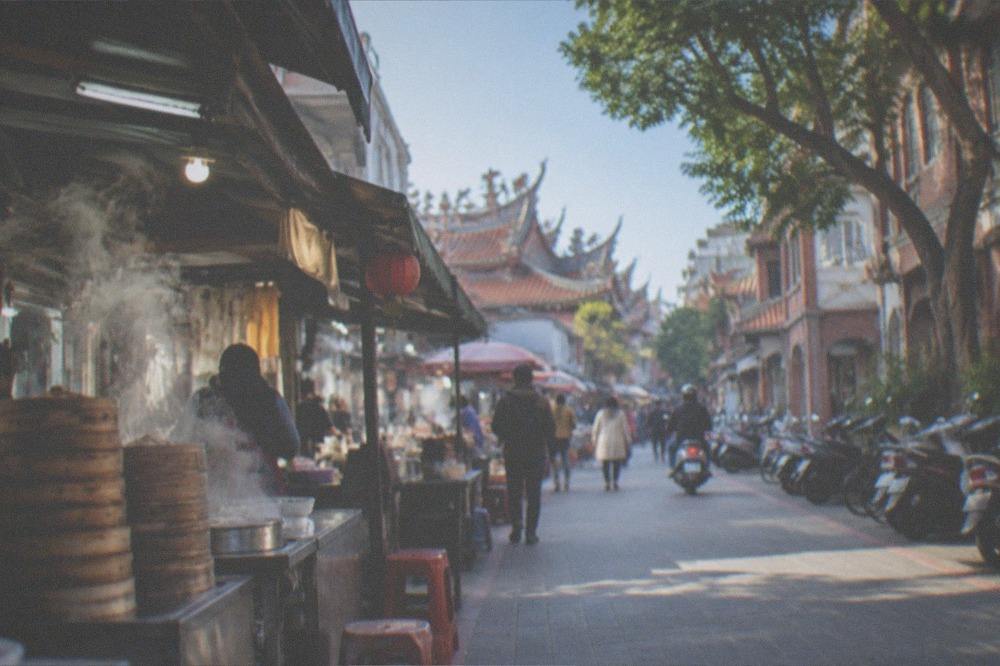
Two festival windows from the city's own calendar are worth building a trip around, and neither is about beef soup directly but both shape the food streets. The mango season runs June to July in Yujing, and the Qigu Seafood Festival runs July to August on the coast, both listed on the Tainan City Government Tourism Bureau's festival calendar. A summer trip is a wetter, hotter affair, but it is the season for the coastal food events, and the Tainan festivals guide has the full calendar.
Can You Do a Beef Soup Morning Without Speaking Chinese?
Yes, with modest friction. Tourist areas, key markets including Garden Night Market as a 2026 demonstration site, buses and public facilities increasingly carry bilingual Chinese-English signage under city initiatives like the English-Friendly Emblems program, but coverage is not universal, and small dawn beef soup stalls are exactly the kind of place where a picture menu and pointing still do most of the work. The city's own information office publishes the bilingual program, and the English in Tainan guide covers what to expect.
The practical moves are small ones. Have your hotel write the name of your chosen stall in Chinese, carry cash, because night markets, street stalls and small local eateries remain cash-first territory while hotels, department stores and convenience stores take cards, and expect the soup itself to need no translation, since it arrives as a bowl of broth and a plate of raw beef regardless of what was ordered. The cash and cards guide covers payment acceptance in detail.
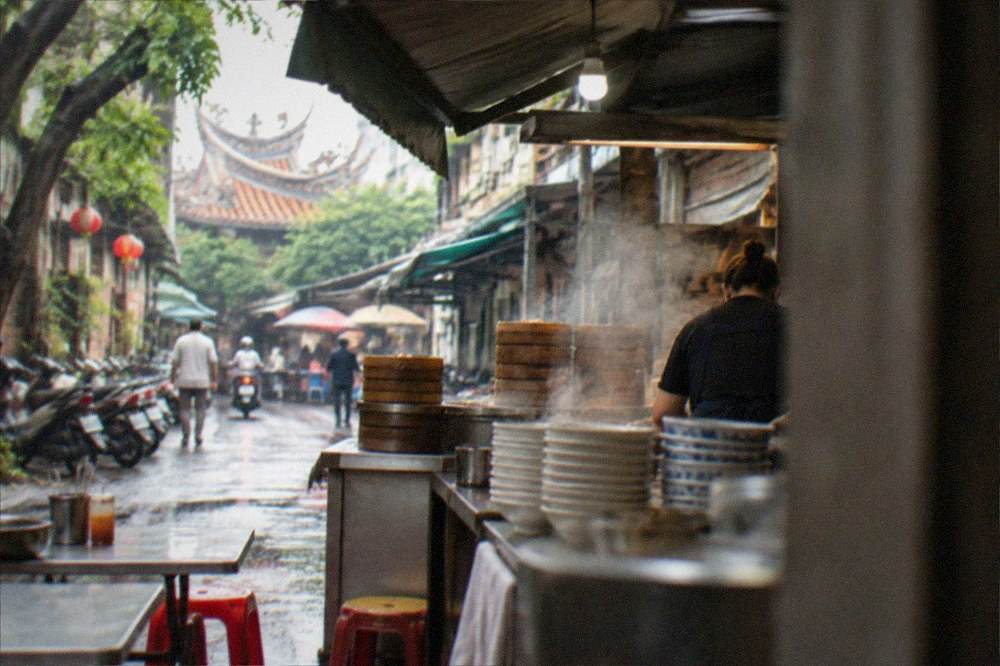
A guided walk removes the language question entirely for the first morning, and it is the one thing on this page that is genuinely worth booking, because most of Tainan's food culture is not bookable at all: temples, old streets and the free-entry sites cost nothing and need no ticket. The Tainan Travel Guide homepage holds the full picture of what the city offers beyond breakfast, and the temples guide and the attractions overview cover the rest of the day after the soup is finished.
Common Questions About Tainan Beef Soup
Is Tainan beef soup a breakfast dish?
Yes, and the breakfast framing is the tradition. The stalls open before dawn, traditionally tied to the arrival of freshly slaughtered beef, and most sell out by mid-morning. Treating it as a dinner dish is the single most common planning mistake visitors make.
How much does a bowl of beef soup cost in Tainan?
No official price list exists for any dish, stall or restaurant in Tainan, and this site does not print invented numbers. What can be said is that street food in Tainan is inexpensive by the standards of Taiwan's big cities, and a soup-plus-sides breakfast is a cheap meal. Check prices at the stall.
Which beef soup stall is the original or the best?
This site makes no "original", "oldest" or "best" claim about any stall, because no such claim is verified on an official source. The dish, not any single address, is the destination, and specific stall recommendations should be re-checked before a trip, since well-known Tainan food stalls have closed as recently as 2026.
Can you eat beef soup any day of the week?
The soup stalls run on their own dawn schedules, but the night market schedule around them rotates by day: Garden runs Thursday to Sunday, Wusheng Wednesday, Friday and Saturday, Dadong Monday, Tuesday and Friday, and Siaobei is indoors and open daily. Friday is the night all three outdoor markets run, and the city updates these days, so check before you go.
Is beef soup the same as Taiwanese beef noodle soup?
No. Beef noodle soup is a dark, braised, soy-based noodle dish common across Taiwan. Tainan beef soup is a clear bone broth with raw-thin sliced beef cooked in the bowl, usually served with rice rather than noodles, and it is specifically a Tainan breakfast tradition.
How do you get to the beef soup stalls from the HSR station?
The HSR station is at Shalun in Guiren District, outside the old city, so a transfer is required. The H31 shuttle is free for HSR passengers with a ticket stub, and city buses are free for the first 8 km with an EasyCard or iPASS, provided you tap on and tap off. The cash bus fare is NT$26.
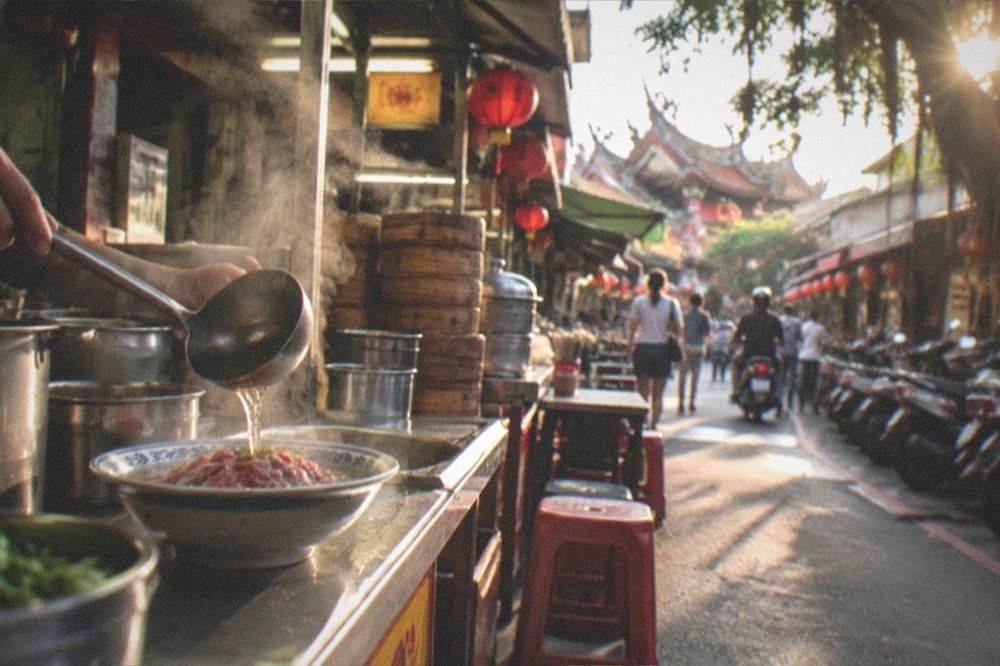
The honest summary is this: Tainan beef soup is a dish best treated as an appointment, not an impulse. Pick the night market night first, work backward to a dawn stall in the West Central cluster, carry an EasyCard for the free bus hops, and go in the October to March window if the weather matters to you, which it will, because the queue is outdoors. Everything else in the city, the temples, the old streets and the free-entry sites, can be fitted around the bowl rather than the other way round, and that is exactly how Tainan itself seems to order its mornings.