Tainan Food Guide
Tainan is widely described as Taiwan's food capital, and the city's own tourism materials lean into the reputation. This guide sets out what to eat, where the night markets actually open, and how the verified schedules and transport facts shape a food day.
Short answer
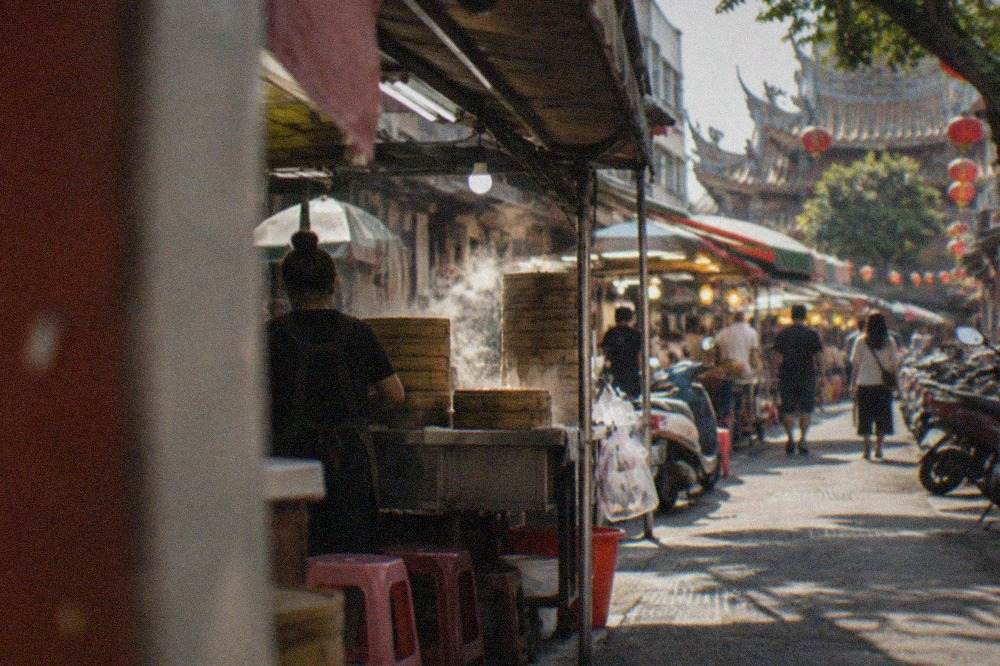
Tainan's food reputation rests on snack-scale dishes, beef soup at dawn, danzai noodles, coffin bread and milkfish, sold from old-street stalls and rotating night markets. The big outdoor markets open on different nights of the week, Friday is the only night all three run, and city buses are free for the first 8 km with a tap card.
Tainan is the city Taiwanese food writers point to when the argument is about where the island's best eating happens. It was Taiwan's capital for more than two centuries, until the late nineteenth century, and the dishes that built its reputation are snack-scale, old and tied to specific streets: beef soup served at dawn, danzai noodles from a shoulder-pole origin story, coffin bread, milkfish prepared a dozen ways. The Tainan Food Guide desk has assembled this page from the city government's own published schedules, the Tourism Bureau's attraction pages and the Central Weather Administration's climate normals, because the two things that most often wreck a food trip to Tainan are showing up on the wrong night for a market and assuming the weather cooperates. Both are checkable in advance.
What follows is organized around decisions. What the canonical dishes are and what they actually contain. Which night markets open which nights, from the city's own pages rather than the folk rhyme. Where to base yourself, how to move between stops, and what a guided option buys you when nobody in your party reads a Chinese menu.
What Food Is Tainan Known For?
Tainan's signature foods are small, savory and historically working-class: beef soup served in the early morning, danzai noodles, coffin bread, milkfish dishes, shrimp rolls, oyster omelettes and a mango harvest centered on Yujing in June and July. The city's tourism materials promote all of these, and the night markets sell most of them in one place. None of it is fine dining, and that is the point.
The dishes worth knowing by name before you arrive:
- Beef soup (niu rou tang): fresh-cut beef in a clear hot broth, a Tainan breakfast tradition. The dedicated beef soup page covers what it is and why the city claims it.
- Danzai noodles: a small bowl of noodles in a shrimp-and-meat broth, historically sold from a shoulder pole by a vendor whose shop survives as a brand. The story and the dish are on the danzai noodles guide.
- Coffin bread: a thick slab of fried bread hollowed out and filled with a stew, the shape giving the dish its name. See the coffin bread page.
- Milkfish (muyu): served as soup, fried, or as a porridge, and farmed in the lagoon country north of the city.
- Oyster omelette and shrimp rolls: lagoon and coastal products, both strongly associated with Anping and the Qigu coast.
- Mango: Yujing district is the production heartland, and the city's own festival calendar places Taiwan Mango Season in June and July.
No price for any dish appears on this page, because no official price list exists and inventing one would be dishonest. Costs at street level in Tainan are, in qualitative terms, low by the standards of Taiwan's big cities, and a food day can be run almost entirely on cash. The street food overview goes dish by dish.
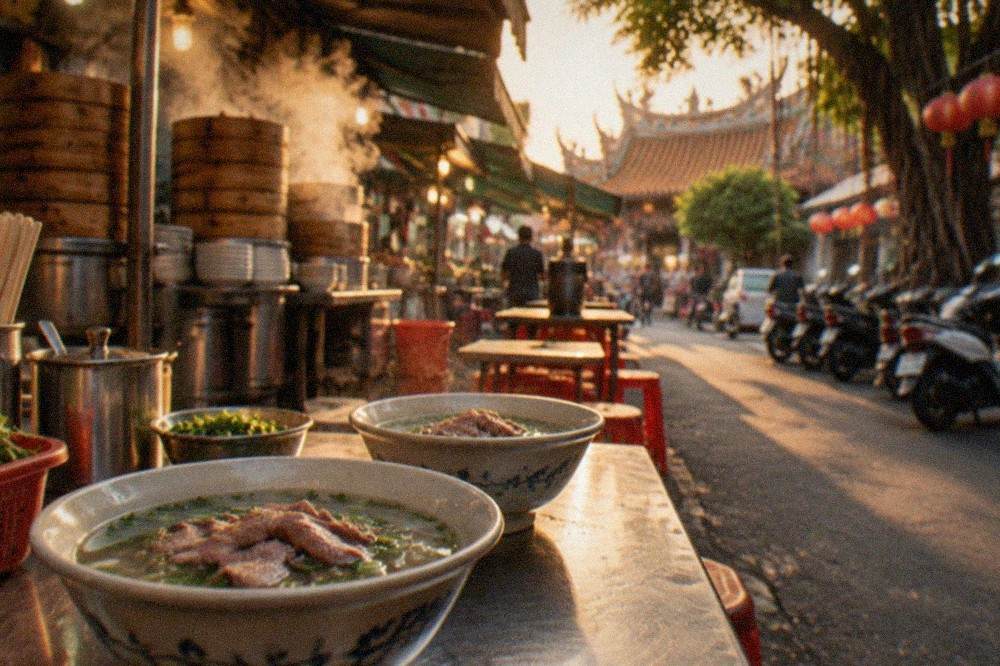
The reason the food culture is so dense is partly administrative accident. As the old capital, Tainan accumulated temple festivals, official kitchens and merchant wealth, and the snack economy that grew around them never left. The Tourism Administration's visitor dataset makes an adjacent point by accident: the city's biggest draws by visitor count are temples, not forts, and temples mean festival crowds, and festival crowds mean street vendors. Eating well in Tainan is not a niche activity here, it is the mainstream one.
For visitors comparing cuisines, the difference between Taiwanese and Chinese food is a real question with a real answer, and Tainan is a good place to see it: the island's snack vocabulary, its Japanese colonial influence and its tropical produce all show up on one street.
Which Night Markets Open Which Nights in Tainan?
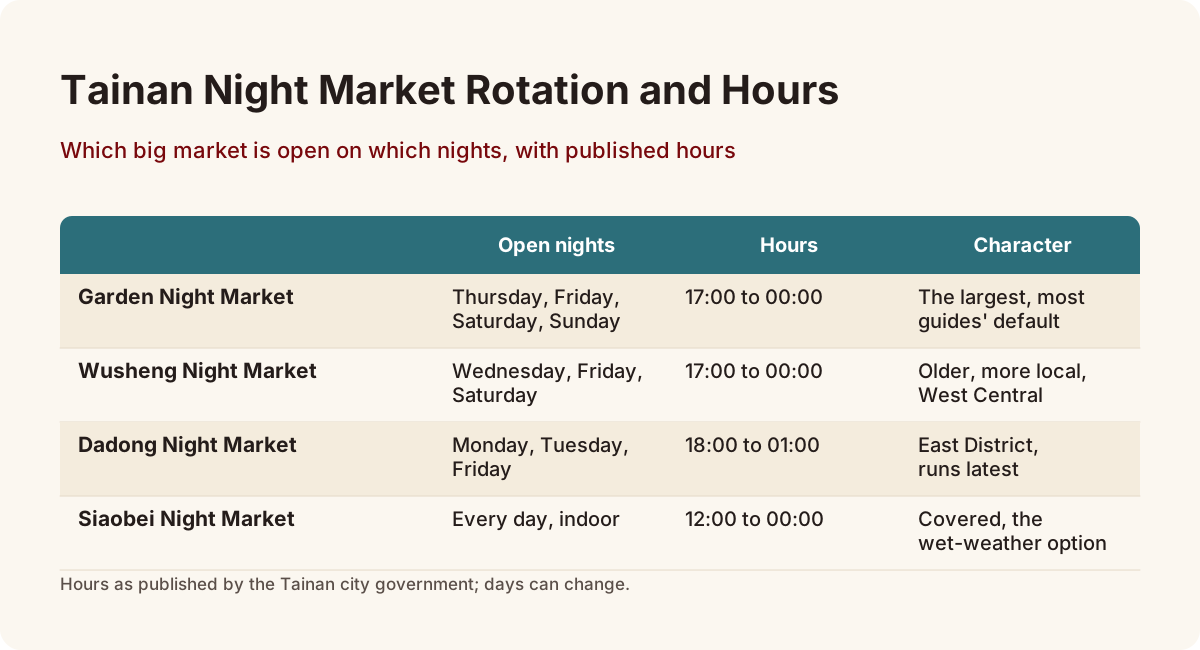
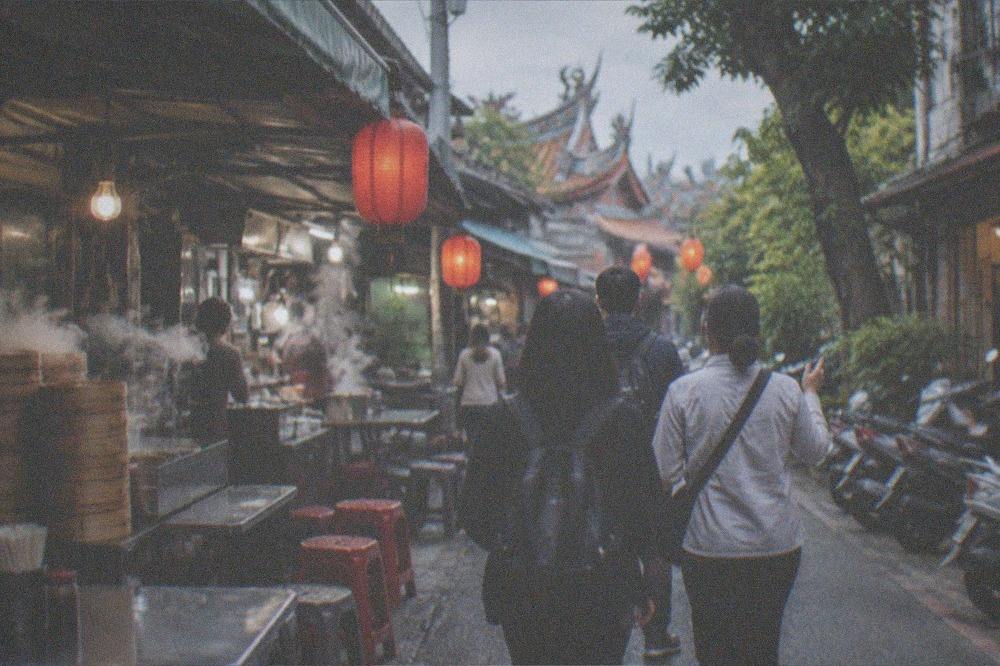
The big outdoor night markets rotate by day of week: Garden opens Thursday to Sunday, Wusheng opens Wednesday, Friday and Saturday, and Dadong opens Monday, Tuesday and Friday, all per the Tainan City Government Tourism Bureau's own pages. Friday is the only night all three big outdoor markets run. Siaobei is indoors and open every day, which makes it the rain and wrong-night answer.
This rotation is the single most useful practical fact on this page. Arrive on a Wednesday and Wusheng is the only big outdoor market running. Arrive on a Friday and you have all three. The Bureau's pages carry the current hours, and the Garden Night Market page is the one to check before you go, because the city updates these pages and the days do change.
| Market | Open | Hours | Character |
|---|---|---|---|
| Garden Night Market | Thursday, Friday, Saturday, Sunday | 17:00 to 00:00 | The largest, the one most guides mean by "Tainan night market" |
| Wusheng Night Market | Wednesday, Friday, Saturday | 17:00 to 00:00 | Older, more local, West Central District |
| Dadong Night Market | Monday, Tuesday, Friday | 18:00 to 01:00 | East District, runs latest |
| Siaobei Night Market | Every day, indoor | 12:00 to 00:00 | Covered, the wet-weather option |
Read as a week, it looks like this:
| Day | Big outdoor markets open |
|---|---|
| Monday | Dadong |
| Tuesday | Dadong |
| Wednesday | Wusheng |
| Thursday | Garden |
| Friday | Dadong, Wusheng and Garden |
| Saturday | Wusheng, Garden |
| Sunday | Garden |
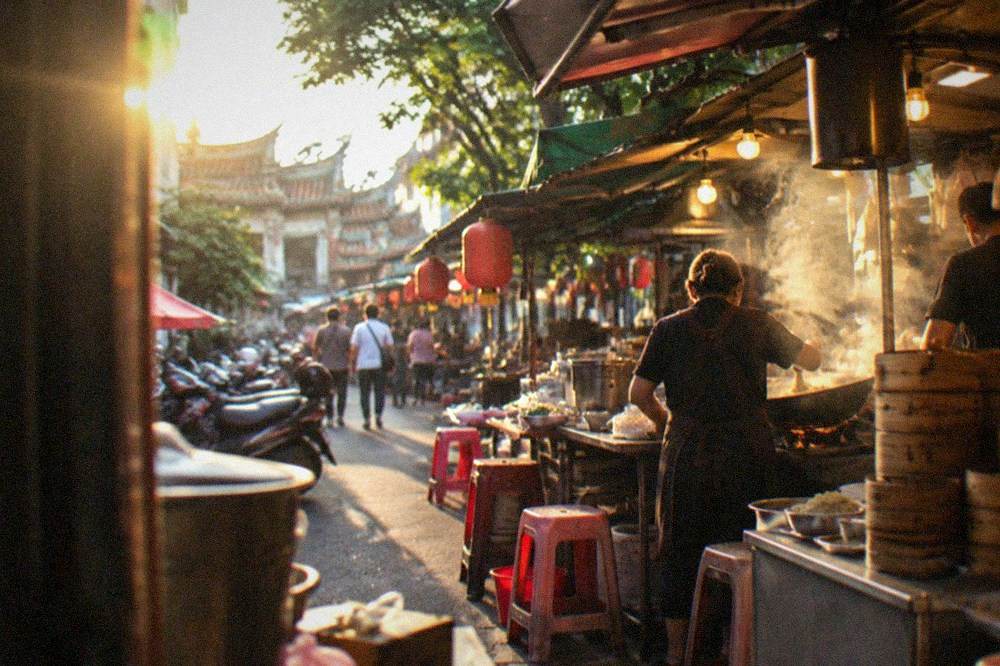
A word on the local rhyme. Tainan people use a seven-character mnemonic that maps the week onto Dadong, Dadong, Wusheng, Garden, Dadong, Wusheng, Garden. It gets the primary market for each night roughly right, but it is folk shorthand rather than a schedule: against the city's currently published hours it misses that Garden also opens Friday, and that Wusheng also opens Friday. Use the rhyme as a memory aid and the table above as the plan. The Tainan City Market Administration keeps the official night market roster, which is the authoritative register if a market's status ever looks doubtful.
The full picture, including Siaobei and the smaller markets, is on the Tainan night markets guide, and Garden gets its own page at the Garden Night Market guide. If your trip lands on a thin night, Wednesday for example, the indoor Siaobei market plus the late-closing Chihkan Tower, open until 21:30 daily, is a workable after-dinner combination that does not depend on the rotation at all.
If a guided walk through the stalls appeals, these are the tours that pair best with a Tainan food trip:
Where Should You Eat: Old Streets, Markets or Anping?
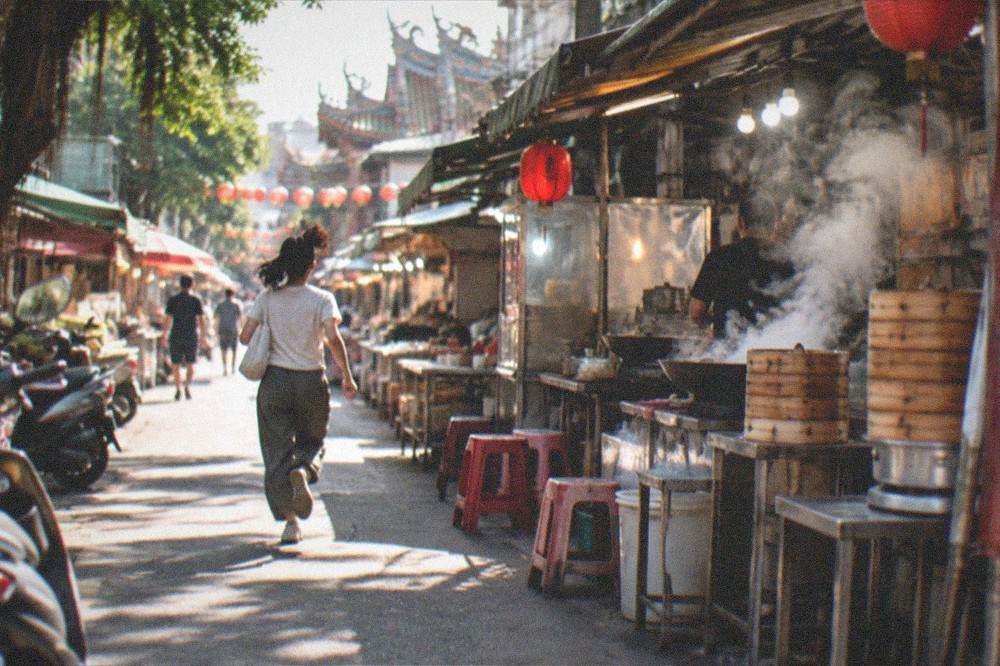
The honest answer splits by dish: the old-street snack strip around Guohua Street is the densest concentration of legacy vendors, the night markets are the widest single-evening selection, and Anping is where the coastal dishes, oyster omelette and shrimp rolls, cluster near the old fort and the canal. A first visit does best with one evening in a night market and one daytime session on an old street.
Guohua Street is the classic snack street, a narrow lane in the West Central District lined with vendors whose names recur in every account of Tainan eating. The Guohua Street area page covers it in detail. The caveat this site has to carry: no stall on it can be named "the original" or "the oldest" here, because those claims are not verifiable from official sources, and famous stalls do close, as the infogain box above records. The food scene is living, not frozen.
Anping adds the coastal layer. The district is the historic end of the city, home to Anping Old Fort and the Tree House, and its food identity is built on the lagoon's produce. The Anping area page and the Anping old street guide cover the ground, and a half-day structure that ends near the old street at eating hours is on the Anping half-day itinerary.
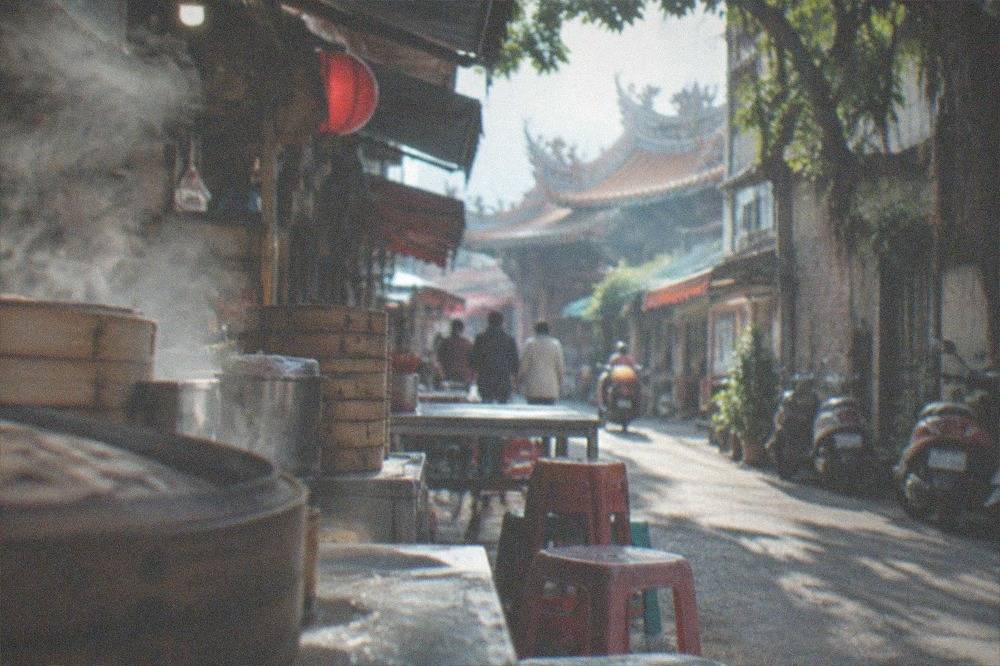
For a full day organized entirely around eating, the Tainan food crawl itinerary sequences the stops geographically so you are not crossing the city for each bowl. That matters more than it sounds: Tainan's food districts are scattered, and a bad plan spends more time on buses than at tables.
One more thing a first-time visitor should know: the question of what Tainan is famous for food-wise is answered differently by locals and by guides. Locals answer with breakfast beef soup and a specific noodle shop. Guides answer with the night market. Both are correct, and a good trip contains both.
How Do You Plan a Food Day Around the Verified Schedules?
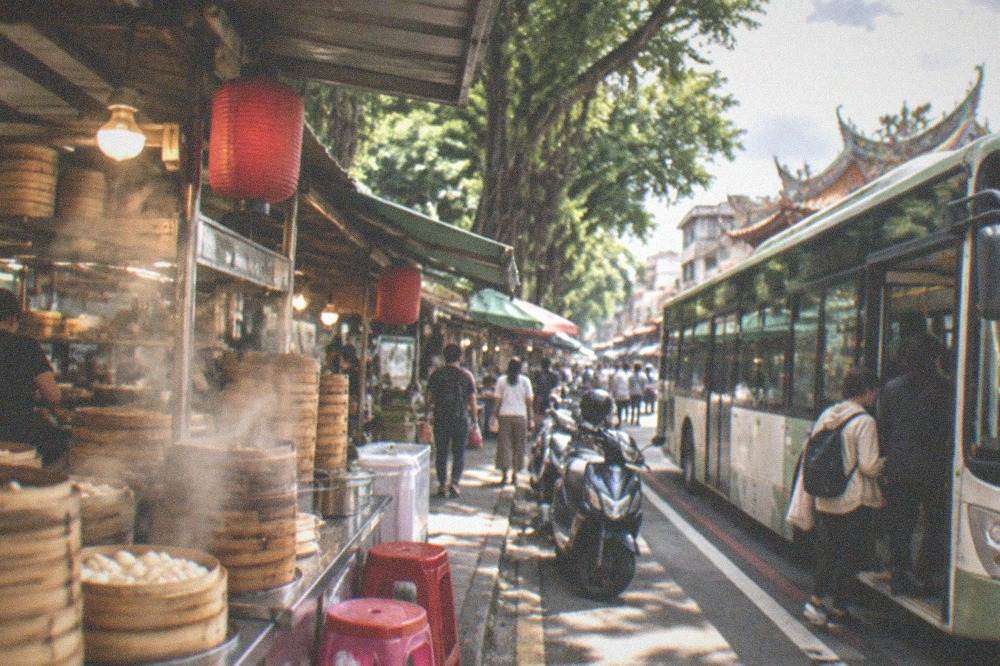
Start early for beef soup, which is a dawn-to-morning dish, spend the middle of the day on an old street or in Anping, and hold the evening for whichever big market is open that night, checking the rotation table first. City buses are free for the first 8 km with an electronic card, so moving between stops costs nothing if you tap on and tap off.
The bus fact is verified on the city's own fare page: trunk and branch routes are free for the first 8 km of travel with a Citizen Card, iPASS, EasyCard or iCash 2.0, a discount worth 26 against the cash fare, running as a policy through the 2026 calendar year. The part visitors miss is tap off: you must tap the reader when you board and again when you leave, or the free distance does not apply. The getting around Tainan guide covers the mechanics.
A sample day, built only on verified opening hours:
| Time | Plan | Why it works |
|---|---|---|
| Early morning | Beef soup breakfast in the West Central District | The dish is a morning tradition; stalls sell out by late morning |
| Late morning | Guohua Street snack crawl | Legacy vendors, walkable, cash-friendly |
| Afternoon | Anping: old fort, Tree House, then oyster omelette near the old street | Anping Old Fort opens 10:00 to 17:10; the Tree House 08:30 to 17:30 |
| Evening | Garden, Wusheng or Dadong per the rotation | All open by 17:00 or 18:00 and run to midnight or later |
| Late | Chihkan Tower, open to 21:30 daily | One of the few historic sites open after dinner |
Season shapes the plan too. The Central Weather Administration's 1991 to 2020 normals for Tainan show August bringing 466 mm of rain across 16 wet days, against December's 16 mm across 3. Close to three-quarters of the annual 1,761 mm falls between May and September, and 186 days a year go above 30C. October is the driest month by wet days, 2.8, while still averaging 30.8C maxima. In practice: an outdoor night market in August is a hot, occasionally wet affair, and the indoor Siaobei market is the fallback. The Tainan weather guide and the typhoon season page carry the full tables.
The festival calendar adds two food events worth planning around, both from the city's own calendar: Taiwan Mango Season and the Tainan International Mango Festival in June and July, and the Qigu Seafood Festival in July and August. Months only, never a date, because the city publishes specifics closer to each event. Other pages covering the same trip are gathered on Tainan Travel Guide.
Is a Food Tour Worth Booking in Tainan?
A guided food walk is worth it when nobody in your group reads Chinese menus, when your nights in the city are too few to waste on trial and error, or when you want the historic context attached to each dish. The rest of Tainan's eating, old streets, markets and temple snacks, costs nothing to book and needs no ticket, so a tour is an accelerator, not a requirement.
This site's position is the honest one: most of Tainan is not a booking. Temples, old streets and the night markets cost nothing and take no reservations. The one thing worth money is a few hours of somebody else's expertise in finding the right stall and explaining what is in the bowl.
The tour most relevant to this page is the six-hour city walking tour with snacks and street food included, which covers exactly the ground above with the ordering handled for you. Check availability if that fits your dates, and read the Tainan food tour page for the fuller comparison of what a guided option adds.
A shorter alternative is the four-hour food and culture walk, which covers a tighter route for travelers with a half day rather than a full one.
For a coastal angle, the Qigu lagoon area north of the city produces the oysters behind much of the local seafood, and an ecological boat tour with an oyster buffet attached covers the lagoon and the eating in one outing.
How Do You Get to Tainan for a Food Trip?
Taiwan High Speed Rail reaches Tainan from Taipei for NT$1,350 in a reserved standard seat, from Zuoying in Kaohsiung for NT$140, and from Taichung for NT$650, all from the operator's own fare table. The HSR station is not in the old city: it sits at Shalun in Guiren District, and reaching the center means a transfer, with the free H31 shuttle available to HSR ticket holders.
The fare table is the operator's own, and it is worth reading carefully because it is a single grid whose upper-right triangle is Business Car: a naive read returns 2,230 for Taipei to Tainan and overstates the standard fare by 65 percent. The Taiwan High Speed Rail guide and the Tainan HSR station guide cover the arrival mechanics, including the H31 shuttle that is free on production of an HSR ticket stub, with the section break at the Chimei Museum.
Coming from the south, the short and cheap HSR hop from Zuoying makes a combined Kaohsiung-plus-Tainan food trip entirely reasonable. Flying in, Tainan's airport is small, mostly domestic and short on international routes, so most international visitors arrive through Taoyuan or Kaohsiung and continue by rail.

What Should First-Time Visitors Know Before Eating in Tainan?
Bring cash, expect limited English at small stalls, drink bottled or filtered water rather than tap, and check the night market rotation before you plan any evening. None of these is a barrier, but each one quietly breaks a trip if ignored, and all four are checkable in five minutes before you leave the hotel.
Cash versus card is the practical one. Cards work at hotels, department stores, convenience stores and chain restaurants. Night markets, street stalls, small eateries and temple-adjacent vendors are cash territory, and ATMs inside convenience stores are the reliable fallback.
English is uneven. The city runs bilingual-signage initiatives and the main tourist zones carry English signage, but a third-generation snack stall on Guohua Street is under no obligation to translate its menu, and pointing works.
Water: the safe line is that bottled and filtered water are everywhere, convenience stores are on every corner, and most locals boil or filter. This site does not claim tap water is safe to drink straight, because no official utility wording confirming that was captured. Convenience stores make it a non-issue in practice.
Safety is the least of your worries. Taiwan's travel advisories sit at the lowest levels, and the real risks are weather and traffic, not crime. Solo travelers eat well here too: one bowl at a time is the local rhythm anyway.
Where to sleep, the Tainan hotels guide places the food districts on the map. The short version for a food trip: the West Central District puts Guohua Street and the old snack core within walking distance, and Anping trades that for the coastal dishes at your door.
Common Questions About Tainan Food
What food is Tainan most famous for?
Beef soup served in the early morning, danzai noodles, coffin bread, milkfish dishes, oyster omelettes and shrimp rolls, plus Yujing mangoes in June and July. The city's tourism materials promote all of these, and the night markets sell most of them in one place.
Which night market should I visit in Tainan?
Match the market to your night of the week. Garden, the largest, opens Thursday to Sunday. Wusheng opens Wednesday, Friday and Saturday. Dadong opens Monday, Tuesday and Friday. Friday is the only night all three run, and Siaobei is indoors and open daily if the rotation or the rain is against you.
Is Tainan food different from food in Taipei?
Tainan's food identity is older and snack-scale, built around dishes with working-class origins and specific streets, while Taipei's is broader and more international. Tainan is also generally the cheaper of the two to eat in, though no official price comparison exists and this site does not print dish prices.
Can I eat well in Tainan as a vegetarian?
Yes. Buddhist vegetarian cooking is widespread in Taiwan, and temple-adjacent districts in an old capital have a long vegetarian tradition, so meat-free eating is easy to find throughout the city.
Do I need to book anything to eat in Tainan?
No. Night markets, old streets and snack stalls cost nothing to enter and take no reservations. The only booking worth considering is a guided food walk, which saves trial-and-error time when your stay is short or nobody in your group reads Chinese menus.
When is mango season in Tainan?
June and July, per the city's own festival calendar, which places Taiwan Mango Season and the Tainan International Mango Festival in those months. Yujing district is the production heartland.
If the rotation table, the bus card and the dish list are all you take from this page, the trip will work. Pick your nights against the market schedule before you book the hotel, keep cash on you, and treat the guided walk as an optional accelerator rather than a necessity. Tainan's food reputation was built by vendors working specific streets for generations, and the city's own published schedules make almost all of it reachable on foot and a tap card.