Anping
Anping is where Tainan began: a fishing peninsula that became the Dutch East India Company's stronghold in 1624 and stayed the city's front door for centuries. Today it packs a fort, a tree-swallowed warehouse, an old street of sword lions and a working lagoon coast into one walkable district.
Short answer
Anping is Tainan's oldest district, the site of Fort Zeelandia, built by the Dutch from 1624 and completed in 1634. Its headline sights are Anping Old Fort, the Anping Tree House, Anping Old Street and the Eternal Golden Castle, each NT$70 at the gate, plus free temples and a canal-side food street.
Anping: Tainan's Historic Harbor District
Anping is where the story of Tainan starts. In 1624 the Dutch East India Company occupied this sandbar peninsula at the mouth of the Taijiang inner sea and began Fort Zeelandia as its defensive stronghold, completing the work in 1634. When Koxinga took the fort in 1662 he renamed the place Anping, and the district kept that name through the Qing decline, the Japanese rebuild and the 1975 city renovation that shaped what visitors photograph today. The Tainan City Government Tourism Bureau's own page for the site records every stage of that chain.
What makes Anping unusual among Taiwan's heritage districts is density. A visitor can walk from a seventeenth-century rampart to a warehouse devoured by banyan roots, then to a food street, then to a canal boat dock, all inside an afternoon. The Tourism Administration's visitor dataset for 2023 recorded 4,441,443 visitors to Anping as a district, roughly ten times the count for Chihkan Tower in the old city, which tells you where Tainan's crowds actually go.
This guide from Tainan Travel Guide covers the sights, the verified ticket prices and hours, the transport, and the parts of Anping most first-time plans miss.
What Is Anping and Why Does It Matter?
Anping is a former island sandbar at the mouth of the silted Taijiang inner sea, and it was Taiwan's point of first contact with European colonial power: the Dutch East India Company occupied it in 1624, completed Fort Zeelandia in 1634, and lost it to Koxinga in 1662, who renamed the settlement Anping. It has been a distinct district of Tainan ever since.
The silting of the inner sea is the fact that explains Anping's whole shape. As the Taijiang waterway filled in through the Qing period, Anping stopped being an island and joined the mainland, and the harbor trade it lived on moved away. Qing troops even dismantled parts of Fort Zeelandia to build the Eternal Golden Castle further along the coast. The district became a fishing village wrapped around Dutch brick, which is roughly what it still is.
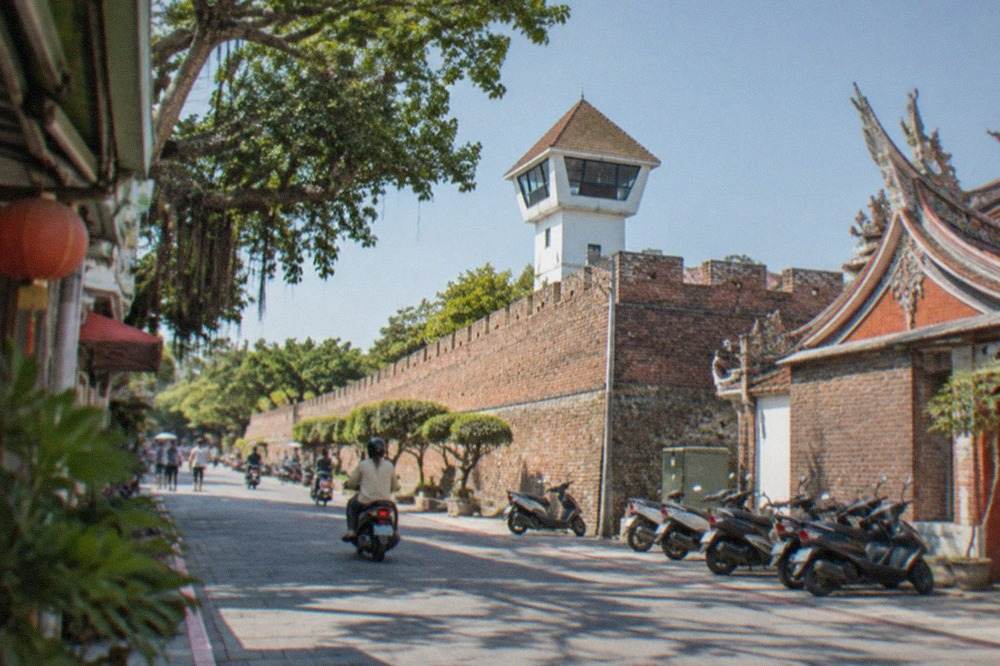
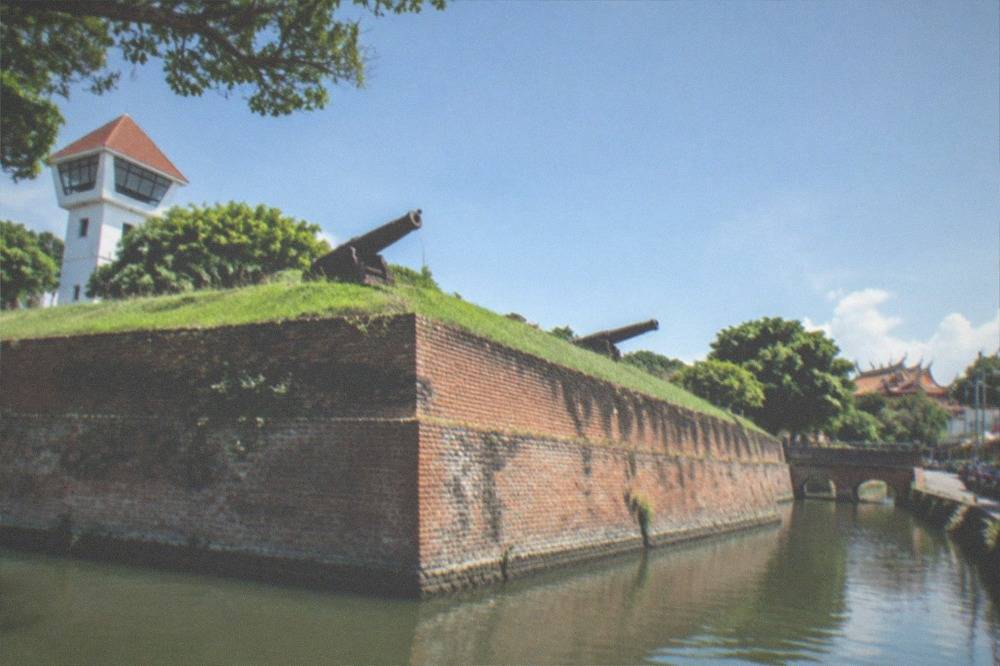
One honest detail the city's own page records: the only genuine Dutch-period remains at Anping Old Fort are the brick walls of the south outer rampart in front of the fort. Most of what a visitor photographs, the white walls and the pointed-roof lookout tower, is Japanese-era rebuilding and a 1975 city renovation. That does not make the site less worth seeing. It makes the south rampart the thing to look for.
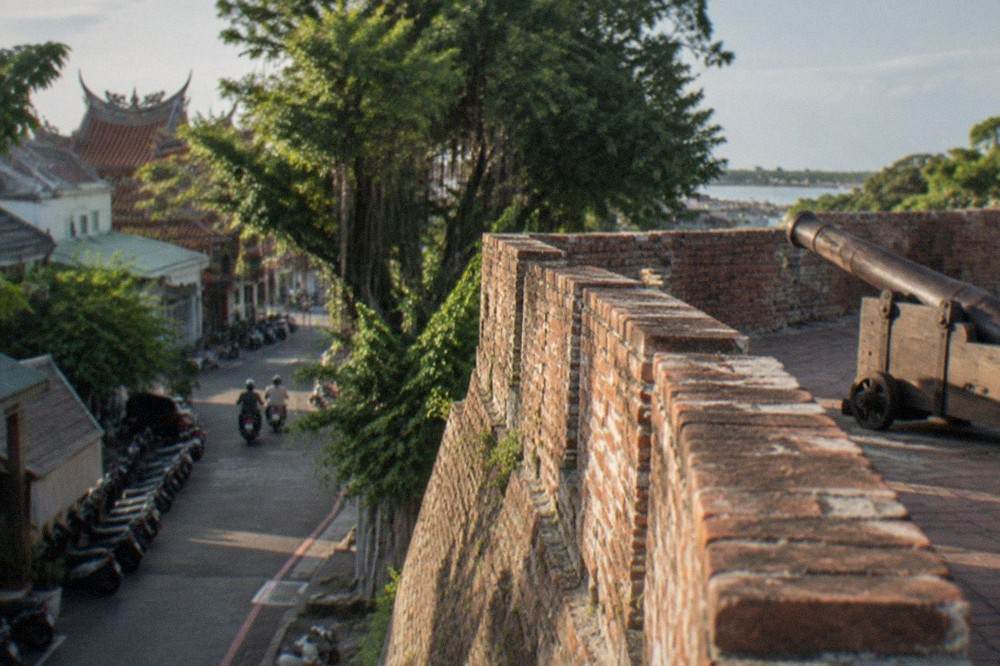
The district's modern identity runs on three tracks at once: heritage tourism around the fort and tree house, a living fishing and oyster economy on the lagoon coast, and a weekend food-and-photography crowd along the old street. A good plan touches all three rather than treating Anping as a single monument with a queue. It also helps to know what the current numbers say before committing a day.
What Are the Must-See Sights in Anping?
The four headline sights are Anping Old Fort, the Anping Tree House, Anping Old Street and the Eternal Golden Castle, each NT$70 at the gate, plus the free Grand Matsu Temple in the city center and the canal-side walks. The Tree House, a former merchant warehouse engulfed by banyan roots, is the one most visitors rank first, and the fort is the one with the history.
Start with Anping Old Fort. The Tourism Bureau's page gives the hours as 10:00 to 17:10 daily and adult admission as NT$70 at the gate, with half-price concessions and free entry for Tainan residents with ID. Walk the south outer rampart first, then the exhibition rooms, then the lookout tower. The fort's opening at 10:00 is later than everything else in the district, so it fits better mid-morning than at dawn.
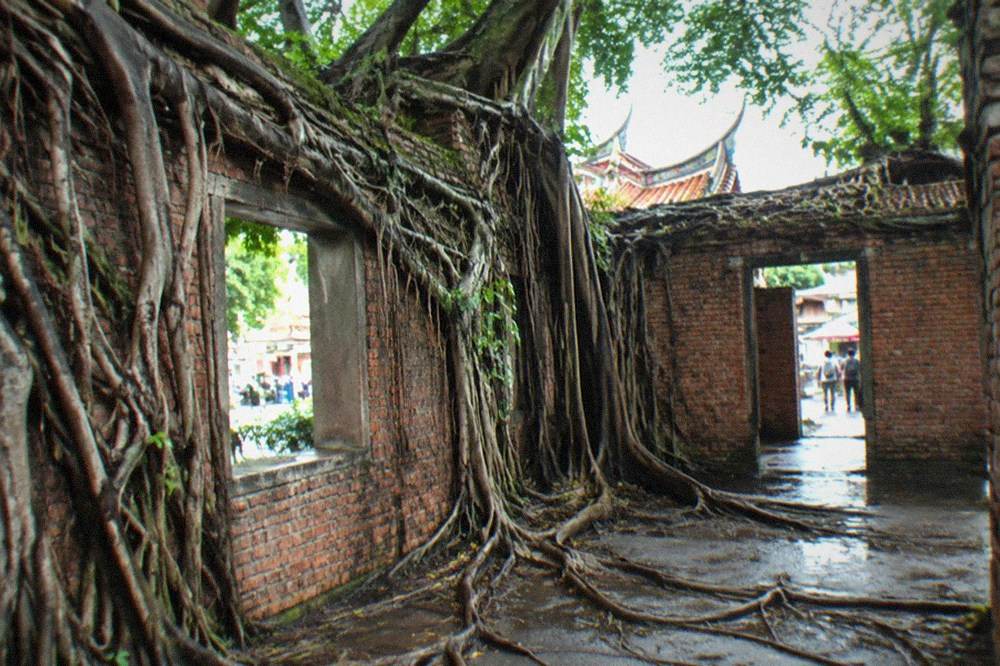
The Anping Tree House is the district's most photographed sight, and the reason is visible from the entrance path: banyan roots have grown through and over the brick shell of the former Tait & Co. merchant warehouse until the tree and the building are one structure. The city page lists 08:30 to 17:30 daily, NT$70, concessions at half price. The elevated walkways let visitors see the roof-level tangle without trampling the roots.
The Eternal Golden Castle, the Qing-era Erkunshen battery built partly from dismantled Zeelandia brick, sits further along the coast road and shares the same pattern: 08:30 to 17:30, NT$70. It is usually the quietest of the three ticketed sites, and its grassy ramparts suit the end of an afternoon better than the middle of a schedule.
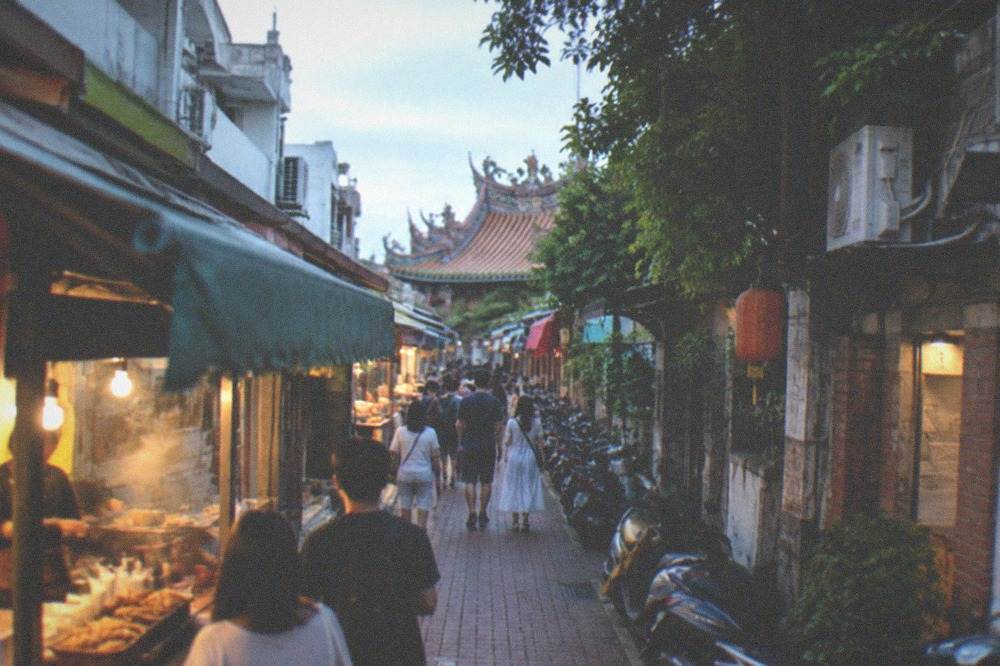
Between the fort and the tree house runs Anping Old Street, a dense lane of snack stalls, souvenir shops and shrines, and the Anping Canal runs along the district's edge with boat docks and a waterside walk. Neither costs anything to wander. The sword lions carved on old doorways throughout the lanes are the district's own talismanic emblem, a lion biting a sword, and hunting them door by door is the best free activity in Anping.
A ticket for the Tree House can be settled in advance, which saves a queue on a weekend.
What Do Tickets, Hours and Closures Look Like?
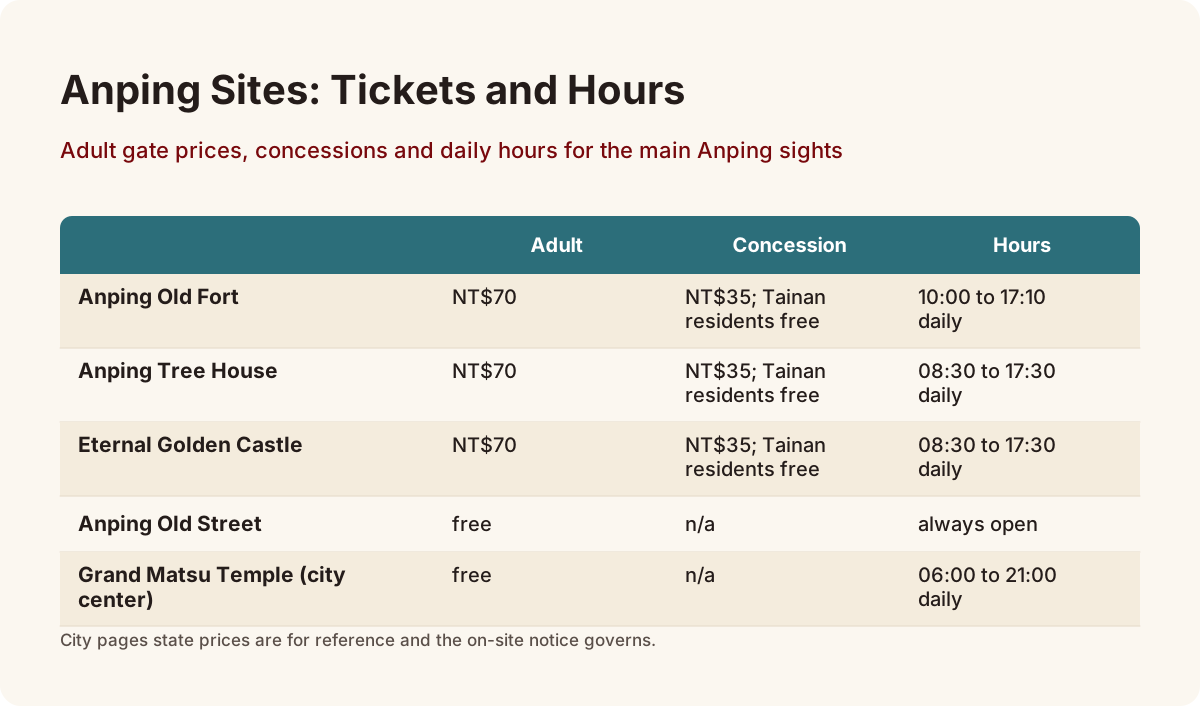
Every ticketed Anping site charges NT$70 at the gate for an adult, with half-price concessions and free entry for Tainan residents with ID, and none of the Anping sites has a weekly closure day. The city's own pages state that prices are for reference and the on-site notice governs, so treat every figure as the posted rate rather than a guarantee.
The full price picture, from the Tourism Bureau's own attraction pages:
| Site | Adult | Concession | Hours | Closed |
|---|---|---|---|---|
| Anping Old Fort | NT$70 | NT$35; Tainan residents free with ID | 10:00 to 17:10 daily | none listed |
| Anping Tree House | NT$70 | NT$35; Tainan residents free with ID | 08:30 to 17:30 daily | none listed |
| Eternal Golden Castle | NT$70 | NT$35; Tainan residents free with ID | 08:30 to 17:30 daily | none listed |
| Anping Old Street | free | n/a | always open | n/a |
| Grand Matsu Temple (city center) | free | n/a | 06:00 to 21:00 daily | none |
Two planning notes follow straight from that table. First, the fort opens two hours after the tree house, so a 08:30 start belongs at the tree house or the old street, not at the fort gate. Second, everything ticketed in Anping closes by 17:30 at the latest, which makes Anping a daytime district; evening plans belong at the night markets back in the city, a point covered further down.
The city's disclaimer on every one of these pages reads, in translation, that prices are for reference and the on-site notice governs. Concession rules are detailed and change: students, seniors over 65, military and police personnel and public-agency volunteers all appear on the Chihkan Tower concession list, but the Anping pages simply say half price. If a concession applies to your group, the gate staff, not this page, has the final word.
There is one more reason not to over-plan the ticketing side of an Anping day. The district's real texture is free: the lanes, the canal path, the sword lions and the fishing harbor all cost nothing, and the three paid sites together come to NT$210 at most. Booking ahead is a convenience, not a necessity, and the one thing genuinely worth reserving is whatever saves a queue on a February weekend.
How Do You Get to Anping?
Anping sits west of the old city center and is reached by Tainan city bus, with the first 8 km free for anyone holding an EasyCard, iPASS, iCash 2.0 or Citizen Card and tapping on and tapping off, against a cash fare of NT$26 for the same trip. The free-first-8-km policy runs for the 2026 calendar year and is an annual renewal, not a permanent rule.
The tap-off is the part visitors miss. Board, tap the card on, and tap it again on leaving, or the free distance does not apply. The scheme covers the trunk and branch route network, the green, blue, brown, orange, yellow and red buses, and the city's own bus site sets out the conditions in English.
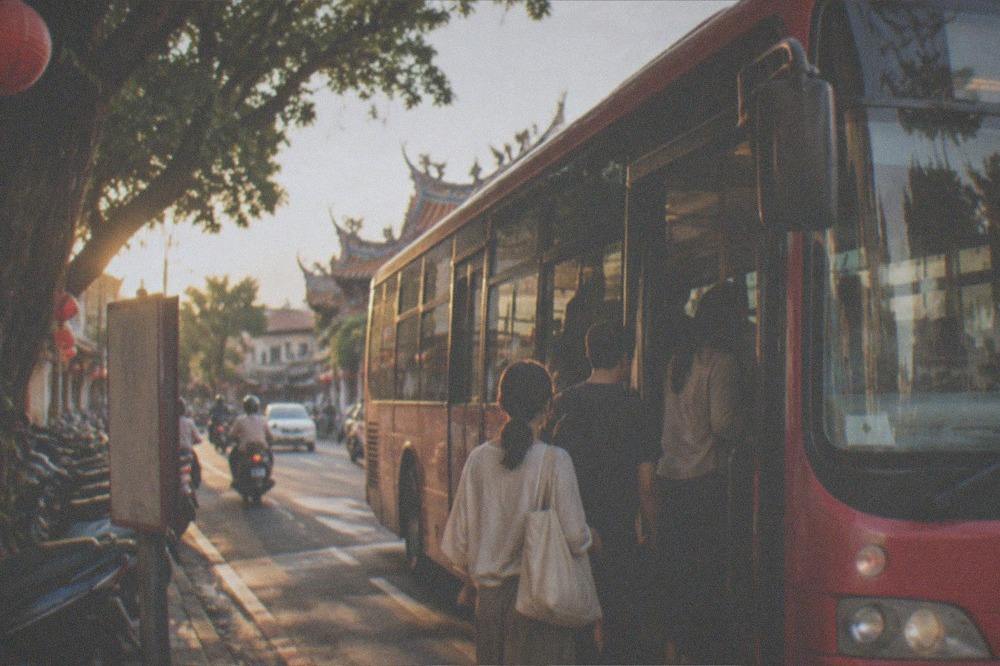
For anyone arriving by High Speed Rail, the H31 Tainan City Government Line express bus is free for HSR passengers on production of a ticket stub, with no card tap needed; other passengers pay NT$18 for one section or NT$36 for two. Note that the HSR station itself is at Shalun in Guiren District, outside the old city, so every arrival involves a transfer, and the Shalun connection is covered in its own guide.
The distance from the old city to Anping is short, a few kilometres, well inside the free 8 km bus band, which is why the card question matters more here than almost anywhere else in Taiwan. Cyclists and YouBike riders should check the current operator terms before relying on a bike for the round trip, and scooter renters should know that an International Driving Permit is not automatically sufficient in Taiwan: the authorities expect it to be registered at a Motor Vehicles Office, and rental shops may refuse without it.
| Way In | Cost | Notes |
|---|---|---|
| City bus with electronic card | free first 8 km | tap on AND tap off; policy runs through 2026 |
| City bus, cash | NT$26 | same trip, no card |
| H31 HSR express bus | free with HSR ticket stub | otherwise NT$18 one section, NT$36 two |
| Taxi | fare not published | no official Tainan taxi fare schedule exists |
What About the Old Street, the Sword Lions and the Food?
Anping Old Street is a free, always-open lane of snack stalls and shrines between the fort and the tree house, and the sword lions, stone carvings of a lion biting a sword set into old doorways, are the district's traditional emblem, scattered through the lanes and hunted door by door at no cost at all.
The old street is the district's stomach. No official price list exists for any stall, and none is invented here, but the structural fact is safe: this is street-food pricing, cash territory, with the oyster omelette, shrimp rolls and milkfish dishes the coast is known for. The West Central District has the city's other great food streets, but Anping's are tied to the lagoon's catch.
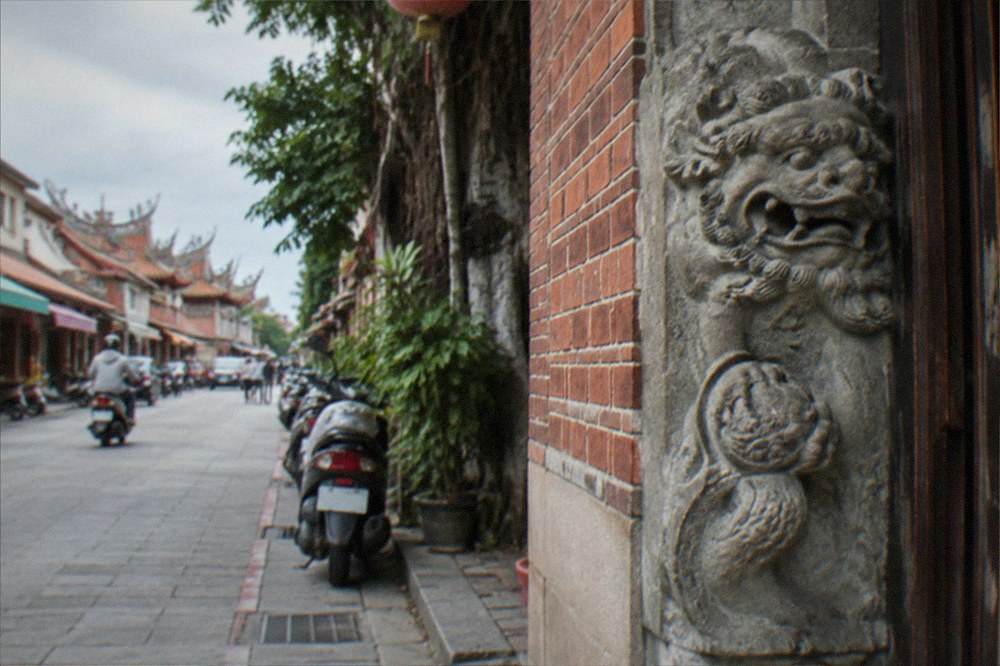
The sword lions deserve more than a glance. They began as guardian carvings on merchant and military households, and the surviving originals sit on door lintels and wall corners all over the old lanes. The district has signposted walking routes for them, and because the hunt costs nothing and runs through the prettiest corners of Anping, it is the single best filler between the ticketed sites.
For a half-day structure, the Anping half-day itinerary strings the fort, tree house, old street and canal into one loop. Visitors with a full day can add the lagoon coast: the Sicao Green Tunnel boat ride through the mangroves costs NT$200 for either route, the Green Tunnel and the longer Taijiang route, and both cost the same.
Photography is the other thing Anping does unusually well, and a qipao rental turns the old lanes into a portrait backdrop for a full day.
Where Does Anping Fit in a Tainan Plan?
Anping deserves a half day as a minimum and a full day for a relaxed pace, and it pairs naturally with the old city's temples on the same trip since both close by early evening. The 2023 visitor data shows Anping drawing 4,441,443 people, ten times Chihkan Tower's count, so weekday mornings are the quietest window and February is the busiest month of the year.
That last point surprises most readers. Tainan's peak season is January and February, driven by temple pilgrimage and Lunar New Year, not by summer, and the climate table explains why: October to March is Tainan's dry, comfortable half of the year, while August alone averages 466 mm of rain across 16 wet days. An Anping day planned for winter stands a better weather chance than one planned for the school holidays.
| Anping sight (2023) | Visitors | Peak month |
|---|---|---|
| Anping district total | 4,441,443 | February |
| Chihkan Tower, for comparison | 443,622 | n/a |
| Qigu Salt Industry Recreation Area | 690,750 | January |
| Grand Matsu Temple | 354,897 | n/a |
The standard caveat applies to every row: counts are compiled by each operator and reported to the Tourism Administration, and a ticketed museum and an open old street are not counted the same way. The comparison between Anping and Chihkan Tower is still fair as an order of magnitude, because both figures come from the same dataset for the same year.
For pairing, Anping works best as the afternoon half of a day whose morning belongs to the old city: temples open at dawn and the fort does not open until 10:00, so the natural order is temples first, bus west after lunch, Anping until the sites close at 17:30, then back east for a night market. On days when all three big outdoor markets run, Friday is the only night that happens, and the rotation table in the Tainan night markets guide sets out every night of the week.
What Can You Do in Anping After the Sites Close?
The ticketed sites close by 17:30 and Anping becomes an evening district of canal walks, food stalls and the night market run back in the city, and the honest answer is that Anping itself is thin after dark: the evening energy sits at Garden Night Market on Thursday to Sunday nights and at the canal-side stalls, with Siaobei Night Market indoors and open daily as the wrong-night fallback.
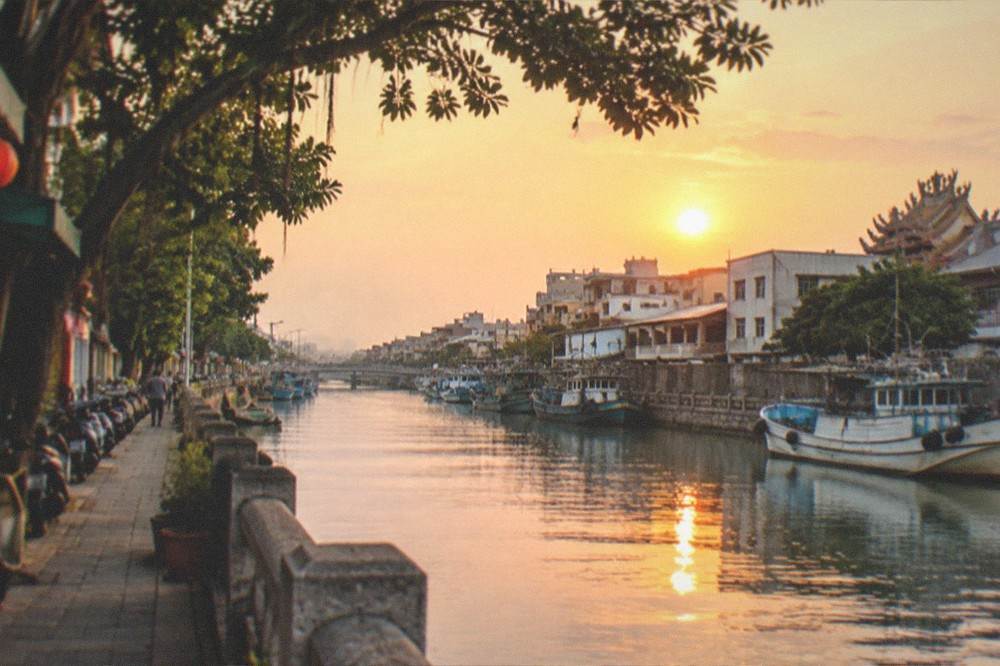
The canal is the district's evening asset. The waterside path stays open, the food stalls along it run into the night, and the sunset hour over the water is the one part of an Anping day that does not depend on a ticket. An evening walking tour is the bookable way to cover the after-dark city, and the operator's live listing carries the current details.
For anyone staying the evening in the district rather than heading back east, the practical notes are short: carry cash for the stalls, expect the ticketed sites to be firmly shut, and check the market schedule before committing to a particular evening, because the city updates these pages and the days do change. The market rotation is the one piece of Tainan logistics that genuinely punishes a wrong guess, and it is worth thirty seconds of checking before dinner.
If a guided evening suits your pace better than self-direction, these are the options that fit an Anping-centered day:
Common Questions About Anping
How much do Anping attractions cost?
NT$70 at the gate for an adult at Anping Old Fort, the Anping Tree House and the Eternal Golden Castle, with half-price concessions and free entry for Tainan residents with ID. The old street, the sword lion lanes and the canal walk are free. The city's pages state the on-site notice governs.
Is Anping walkable?
Yes. The fort, tree house, old street and canal docks sit within a compact stretch of the district, and the sword lion routes are designed as walking loops. The Eternal Golden Castle is further along the coast and usually reached by bus, bike or a short ride.
How do I get to Anping from central Tainan?
City bus, with the first 8 km free for anyone holding an EasyCard, iPASS, iCash 2.0 or Citizen Card and tapping on and tapping off; the cash fare for the same trip is NT$26. The free-distance policy runs through the 2026 calendar year and is renewed annually.
What is the best time of day to visit Anping?
Morning for the tree house and old street, since the fort does not open until 10:00, then the fort, then the canal at sunset. The ticketed sites all close by 17:30, so evening plans belong back in the city at the night markets.
When is Anping busiest?
January and February, driven by temple pilgrimage and Lunar New Year, which is Tainan's peak season overall. The 2023 dataset recorded February as Anping's peak month. Winter is also the dry, comfortable half of the year, so the crowds and the weather point the same way.
Are the Dutch fort walls real?
The only genuine Dutch-period remains at Anping Old Fort are the brick walls of the south outer rampart in front of the fort, as the Tourism Bureau's page records. The white walls and pointed-roof lookout tower are Japanese-era rebuilding and a 1975 city renovation.
Anping rewards the visitor who arrives early, walks the lanes slowly and treats the ticketed sites as anchors rather than the whole trip. The rampart brick is four centuries old, the banyan roots are still growing, and the oyster boats still work the lagoon the whole district was built to serve. Plan the morning around the tree house, the afternoon around the fort and the castle, and let the sword lions fill the gaps.