Coffin Bread
Coffin bread is a deep-fried toast box, hollowed out and filled with a thick, savory stew, and it exists nowhere else in Taiwan the way it exists in Tainan.
Short answer
Coffin bread is a Tainan snack made from a thick slab of white toast that is deep-fried, hollowed out like a box, and filled with a creamy chicken, seafood or vegetable stew, with the cut-out lid balanced on top. It is served in old-city eateries around West Central District and at Tainan's rotating night markets.
Coffin Bread in Tainan
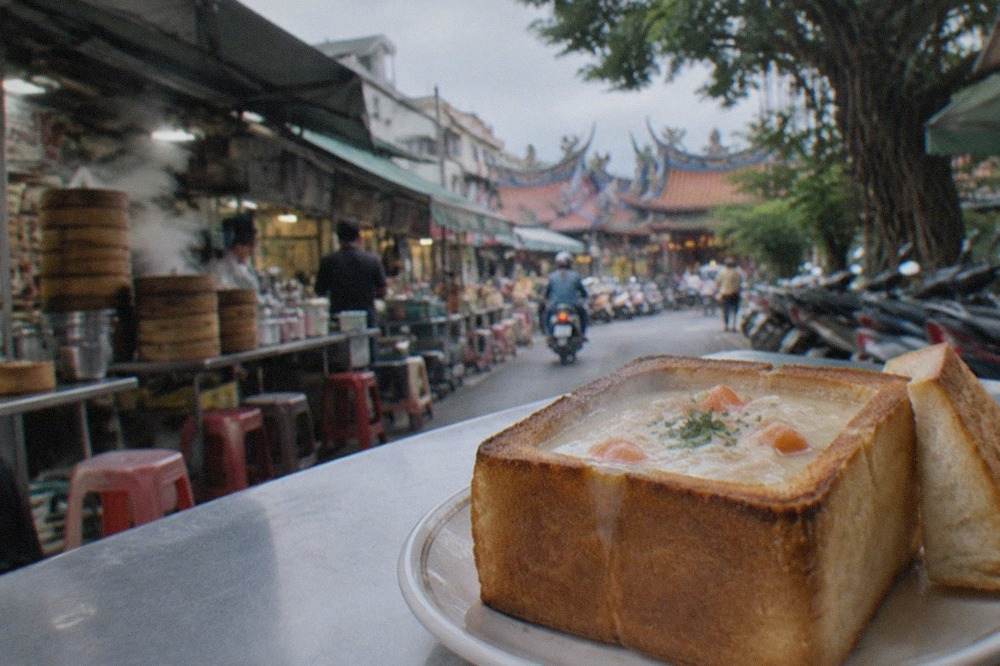
Coffin bread is a deep-fried toast box, hollowed out and filled with a thick, savory stew, and it exists nowhere else in Taiwan the way it exists in Tainan. The name sounds alarming in English, and that is part of its fame: the dish is a slab of thick white toast, fried until the crust is rigid, then cut open and emptied so the shell becomes an edible container. A creamy chicken, seafood or vegetable chowder goes inside, and the cut-out lid is set back on top. The Tainan City Government Tourism Bureau's food pages list it among the city's signature snacks, alongside danzai noodles and beef soup, and it appears on menus across the old city.
This page explains what coffin bread actually is, where the dish sits in Tainan's food culture, which parts of the city serve it, and how to plan a day around it without inventing prices or promises nobody has verified. It is part of the Tainan food guide series on Tainan Travel Guide, and it connects to the night market schedule, the street food pages and the practical transport facts that make a food crawl in this city unusually easy to run.
What Is Coffin Bread?
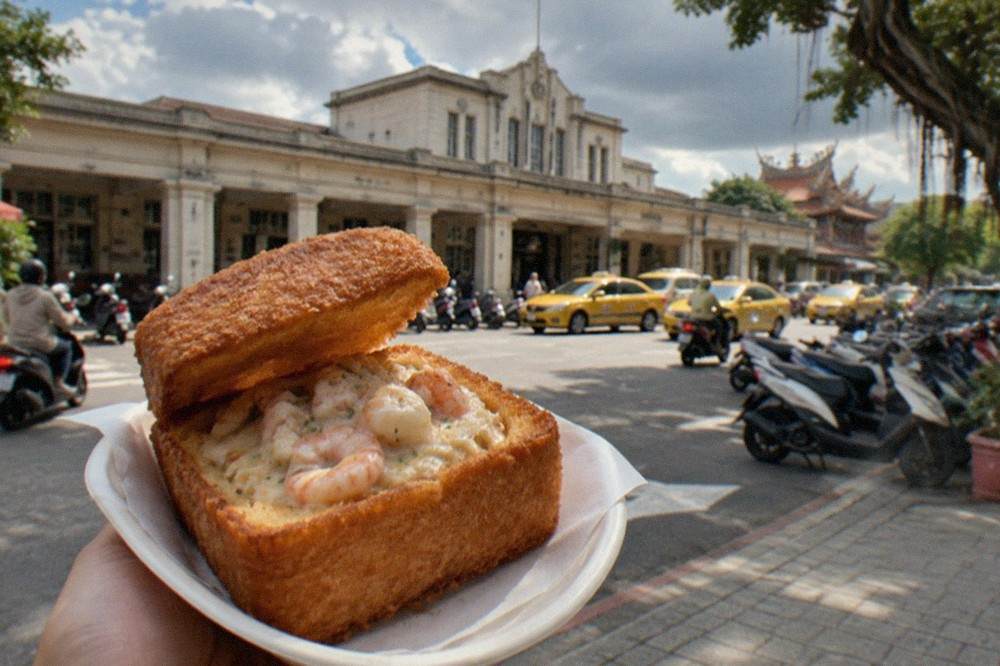
Coffin bread is a Tainan snack built from a thick slice of white toast, roughly the size of a small book, that is deep-fried until the crust hardens, then hollowed out to form a box and filled with a thick, creamy stew of chicken, seafood, corn, mushroom or vegetables. The cut-out lid rests on top, and the whole thing is eaten with a spoon, the fried shell doubling as the container. The dish is sometimes called coffin toast or coffin board in English, and the name refers to the box shape, which resembles a small casket with its lid ajar.
The construction is the point. A thin toast would collapse under a wet filling, so the bread used is cut thick and fried long enough that the outer crust becomes rigid enough to hold liquid. The interior crumb is scooped out, and the stew that replaces it is deliberately thick, closer to a chowder than a soup, so the box does not go soggy before the last spoonful. Savory versions dominate menus, but sweet fillings exist too, with a peanut or custard style appearing on some menus.
The dish is a product of Tainan's old-city food culture rather than a national one. It is not a common sight in Taipei or Kaohsiung, and visitors who ask about it outside Tainan are usually told it is a Tainan thing. That local specificity is why it shows up on city food itineraries and in the Tourism Bureau's own listings of Tainan snacks, and why a food-focused visitor usually puts it on the same list as danzai noodles and Tainan beef soup.
Nobody writing this site has eaten it, so no tasting note appears here. What can be said is structural: it is a heavy, filling dish, one box is closer to a light meal than a bite-sized snack, and it is usually eaten sitting down with a spoon rather than walked with. That makes it a different animal from the skewers and dumplings that dominate Tainan's street stalls, and worth planning a stop for rather than grazing in passing.
Where Did Coffin Bread Come From?
Coffin bread is a Tainan invention of the mid-twentieth century, commonly traced to the city's old food streets, where it grew out of the local tradition of adapting Western bread into Taiwanese snack formats. No verified founding date or single verified inventor exists in the official record, so this site does not name one, but the dish is firmly established as a Tainan original rather than an import from another Taiwanese city.
The honest version of the history is thin, and that is worth saying plainly. Tainan's food culture absorbed Western ingredients early, because the city was Taiwan's gateway for centuries, and bread-based snacks fit a local pattern of reworking foreign staples into night market food. The same pattern produced Tainan's milkfish dishes and its distinctive noodle formats. But the specific stall, the specific year and the specific name-giver for coffin bread are not recorded in any official source this site was able to verify, and a food page that invents a founder is worse than one that admits the gap.
What the verified record does support is the context. Tainan was Taiwan's capital for more than two centuries, until the late nineteenth century, and its food culture carries the confidence of a city that spent generations as the island's center of commerce and worship. The old streets around West Central District, the area around Chihkan Tower and the lanes off Guohua Street, hold the densest concentration of the city's traditional snack vendors, and that is where coffin bread is served today. The Tainan history page carries the fuller story of the city itself.
A walking tour is one way to cover those streets without doing the research yourself. The food and culture walks that operate in Tainan route through the old city's eating lanes with snacks built into the itinerary, which suits a dish like this, since finding the good version of coffin bread is partly a matter of knowing which lanes to walk.
Where Can You Eat Coffin Bread in Tainan?
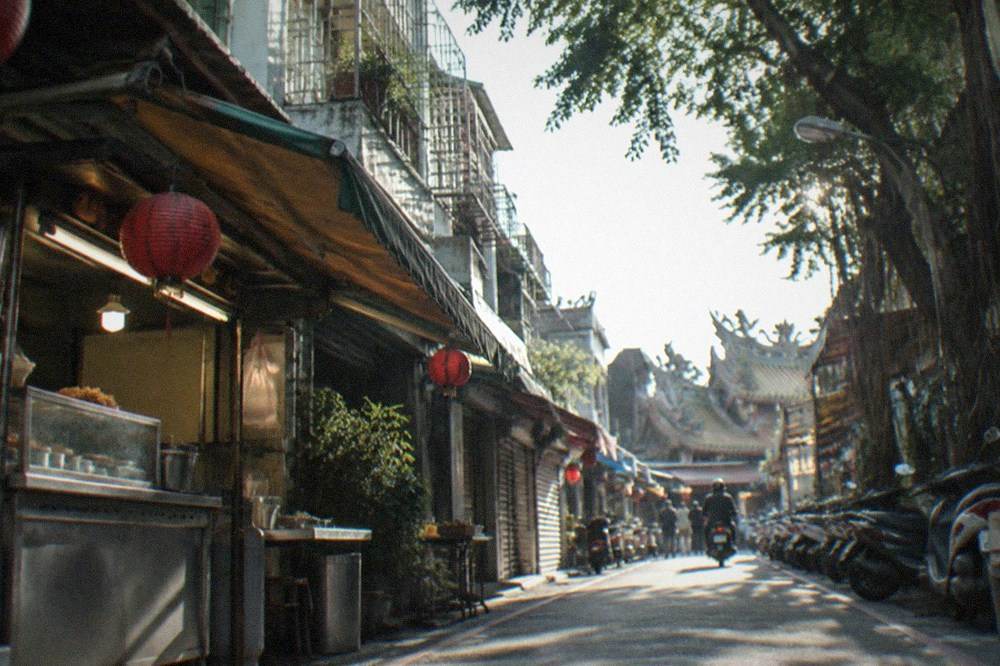
Coffin bread is served in sit-down snack eateries and old food streets concentrated in West Central District, especially the lanes around Chihkan Tower, Guohua Street and the old commercial streets, and it appears at some night market stalls, most reliably at the markets running on the night you visit. No specific stall can be named as the original or the best, because no official source verifies any such claim, so this page points at areas and schedules instead of crowning a winner.
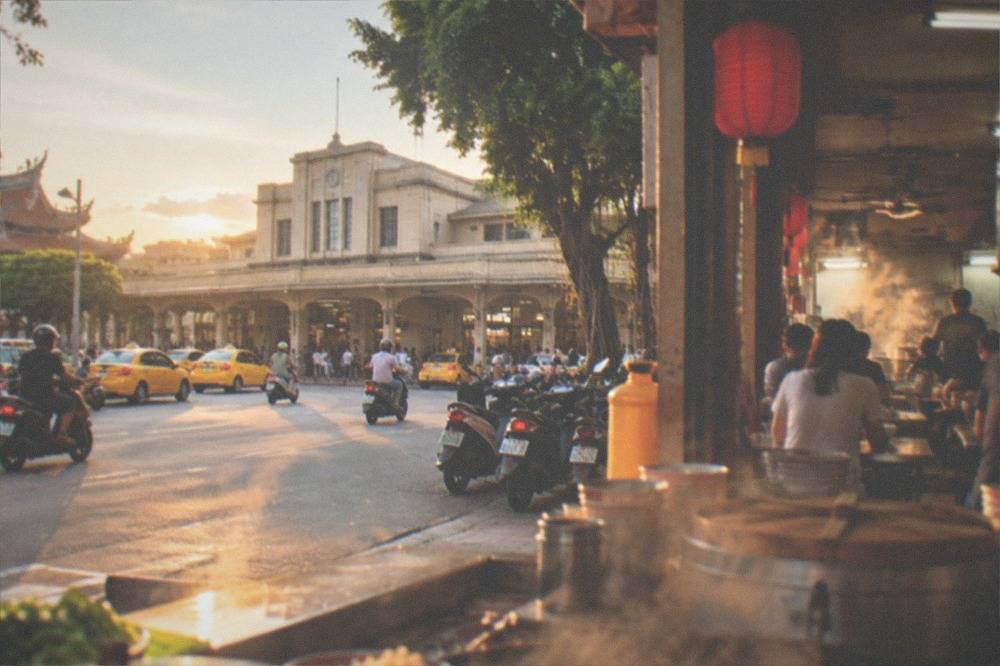
The old city is the natural hunting ground. The streets around Chihkan Tower hold a dense run of traditional vendors, and the Tourism Bureau's own Chihkan Tower page records the site's unusual 08:30 to 21:30 daily opening, one of the few historic sites in the city open after dinner, which pairs well with an evening food stop in the same neighborhood. Guohua Street, a short walk south, is one of the city's best-known food streets and holds long-established snack shops of the sit-down type where a dish like this makes sense.
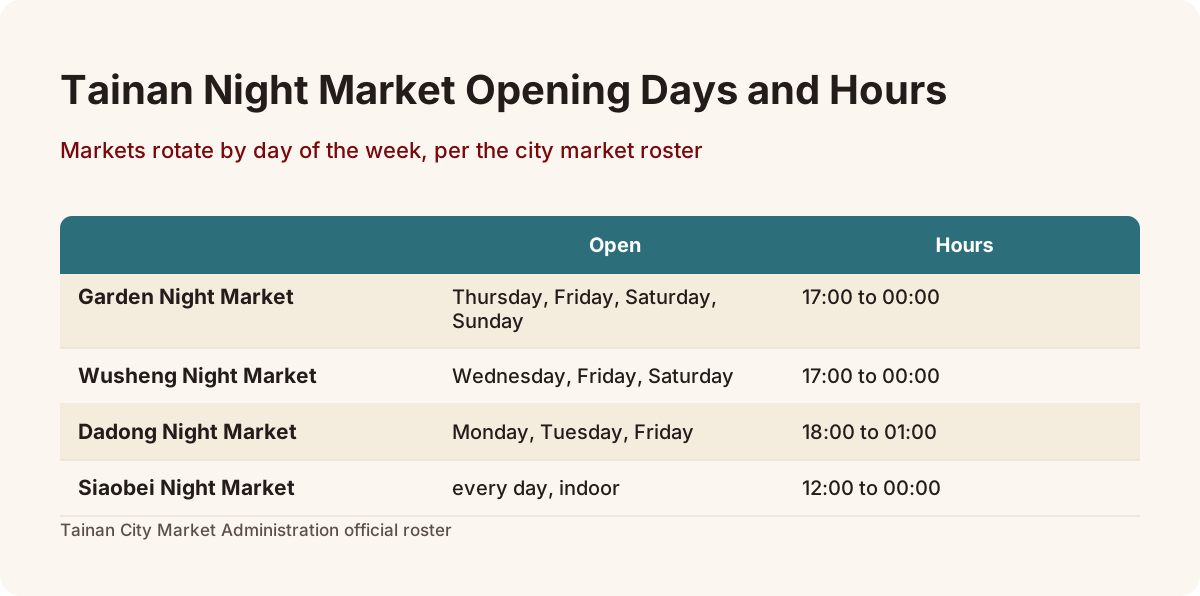
The night markets are the second route, and here the schedule matters more than the address. Tainan's big outdoor markets rotate by day of the week, verified market by market from the Tainan City Market Administration's official roster, and turning up on the wrong night means finding the market closed rather than finding coffin bread.
| Market | Open | Hours |
|---|---|---|
| Garden Night Market | Thursday, Friday, Saturday, Sunday | 17:00 to 00:00 |
| Wusheng Night Market | Wednesday, Friday, Saturday | 17:00 to 00:00 |
| Dadong Night Market | Monday, Tuesday, Friday | 18:00 to 01:00 |
| Siaobei Night Market | every day, indoor | 12:00 to 00:00 |
Friday is the only night all three big outdoor markets run. Wednesday is the thinnest, with Wusheng alone, and Siaobei, being indoors and daily, is the wet-weather and wrong-night answer. The city updates these pages and the days do change, so check before you go.
| Day | Big markets open |
|---|---|
| Monday | Dadong |
| Tuesday | Dadong |
| Wednesday | Wusheng |
| Thursday | Garden |
| Friday | Dadong, Wusheng and Garden |
| Saturday | Wusheng, Garden |
| Sunday | Garden |
The fuller picture of the markets, including what each one specializes in, is on the Tainan night markets page, and the broader snack landscape is on the Tainan street food page.
How Do You Plan a Day Around Coffin Bread?
A practical coffin bread day anchors one sit-down stop in the old city around Chihkan Tower or Guohua Street, fills the gaps with Tainan's walkable snack streets, and uses the free first 8 km on city buses to move between neighborhoods without paying fares. City buses are free for the first 8 km with an electronic card, the cash fare for the same trip is NT$26, and you must tap on and tap off, which is the part visitors miss.
The transport fact is the one that changes the shape of a food day. The Tainan city bus site states plainly that trunk and branch routes are free for the first 8 km of travel with a Citizen Card, iPASS, EasyCard or iCash 2.0, a policy running for the 2026 calendar year, so it is a current scheme rather than a permanent one. Tap off matters: forget it and the free distance does not apply. That makes hopping between the old city, the East District night market zone and Anping effectively free for short hops. The full index of guides sits on Tainan Travel Guide.
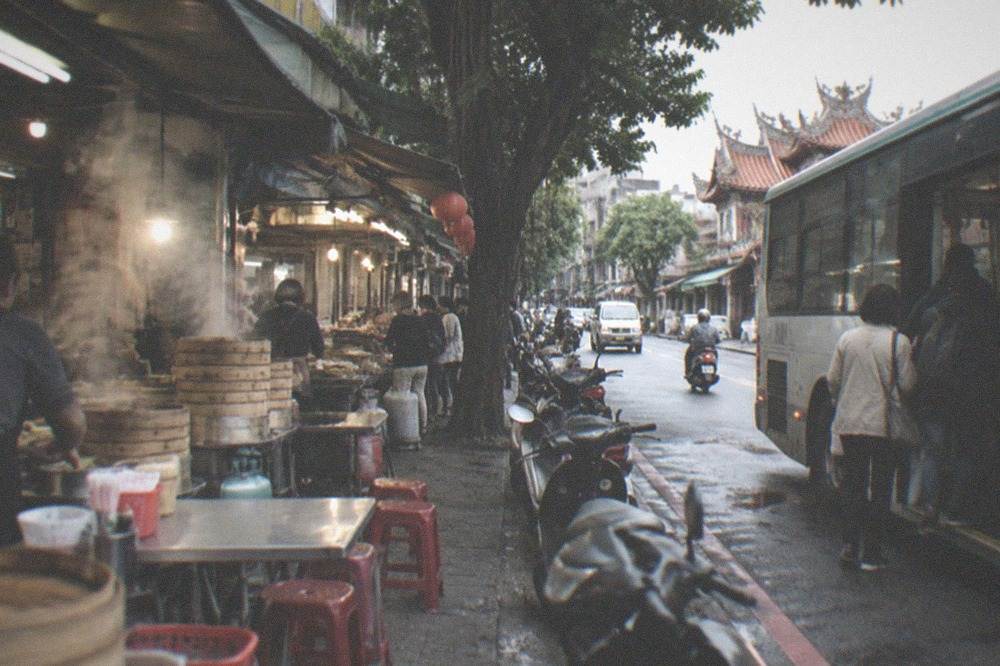
A sensible shape for the day looks like this: morning in the old city, where the temples open early, the Tainan Confucius Temple is free to enter and open 08:30 to 17:30, and the breakfast culture is the city's most famous; a midday sit-down stop for the heavier dishes, coffin bread included; an afternoon walk through the historic sites; and an evening at whichever night market is open that night. The after-dinner option is real: Chihkan Tower stays open until 21:30 daily, at NT$70 at the gate, which the Tourism Bureau's Chihkan Tower page confirms, so a food evening can end with a lit historic site rather than a closed gate.
| Stop type | Verified detail |
|---|---|
| Old-city sit-down eateries | Concentrated around Chihkan Tower and Guohua Street |
| Chihkan Tower | NT$70 at the gate, open 08:30 to 21:30 daily |
| Tainan Confucius Temple | Free entry, 08:30 to 17:30, closed Lunar New Year's Eve |
| City buses | Free first 8 km with an electronic card, NT$26 cash fare, tap on and off |
| Night markets | Rotate by day, see the table above, check before you go |
Timing matters too. The city's own festival calendar places the mango season in June and July and the Qigu Seafood Festival in July and August, so a summer visit pairs coffin bread with the fruit season, while the October to March half of the year is the dry, comfortable stretch: the Central Weather Administration's 1991 to 2020 normals for Tainan show October averaging just 2.8 wet days while still reaching 30.8C maxima. The best time to visit Tainan page carries the full climate picture.
Is Coffin Bread Hard to Find as a Visitor?
No, but it is easier with a plan. The dish is served in sit-down eateries rather than walked with, the menus are mostly in Chinese, and the night market schedule rotates, so the three things that decide whether a visitor actually eats coffin bread are knowing which neighborhood to walk, which market is open that night, and having a payment card that works on the buses in between.
The language question is real but manageable. Tourist areas, key markets and public facilities in Tainan increasingly carry bilingual signage under city initiatives, but smaller and older eateries do not, and coffin bread lives mostly in the smaller and older eateries. A photo of the dish, or the Chinese name, does the work that English menus often do not. The English in Tainan page covers what to expect in more depth.
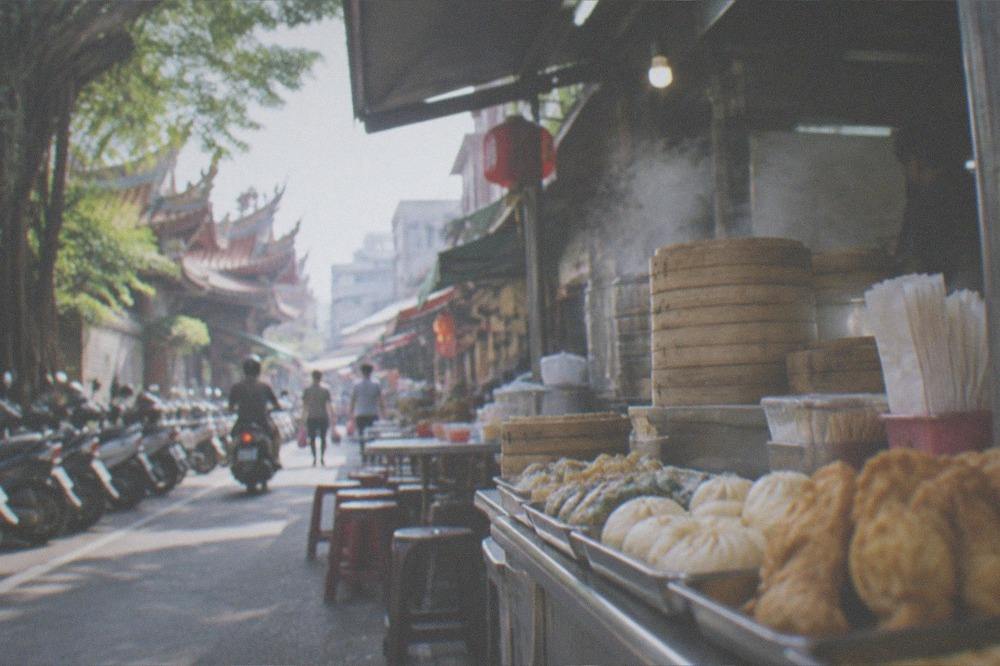
Payment is the other practicality. Cards work at hotels, department stores, chains and convenience stores, but cash remains essential at night markets, street stalls and small traditional eateries, which is exactly the terrain coffin bread lives on. A mix is the standard advice, and convenience store ATMs are everywhere. No price for the dish appears on this page, because no official price list exists and this site does not invent numbers.
A guided walk removes both frictions at once. The operators below run food-led walks through the old city, with the eating decisions made for you.
For a broader crawl that builds the whole day around Tainan's snack canon, a street-food walk is the closest fit.
And for the evening leg, a night walk covers the after-dark city, which is when the markets are running.
What Else Should You Eat Alongside It?
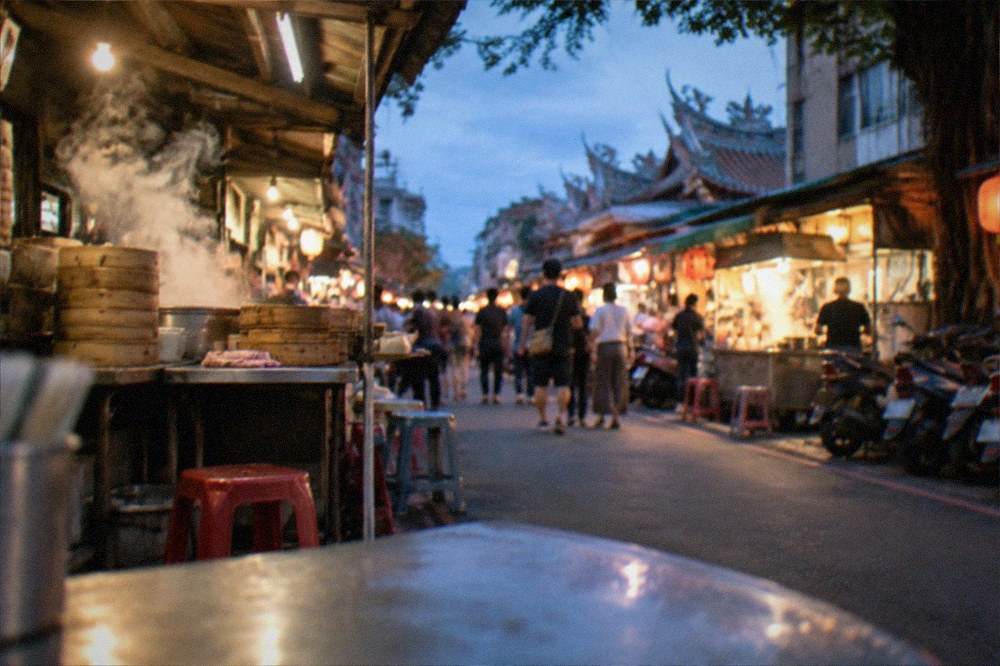
Coffin bread belongs to a snack canon that includes danzai noodles, beef soup, milkfish dishes and the city's breakfast culture, and the honest planning advice is to treat it as one sit-down anchor in a day otherwise built on lighter street snacks. It is heavier than most Tainan street food, so it works best as a meal stop rather than one graze among many.
Tainan's food reputation rests on density and specificity: the city is treated within Taiwan as the place where snack culture is deepest, and its signature dishes are documented on the city's own tourism pages. Beef soup, served at dawn as part of the city's breakfast tradition, is the most famous morning dish. Danzai noodles are the classic small bowl. Milkfish appears in soup, porridge and fried forms. Each has its own page in this site's food section, and each is lighter than a fried toast box full of chowder, which is the practical reason to sequence them.
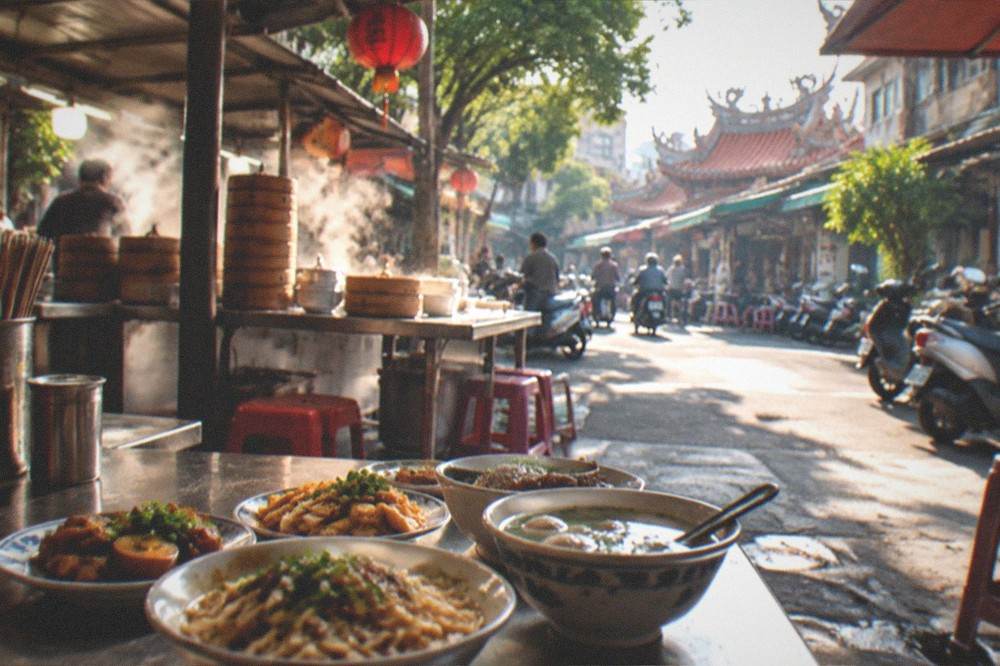
A rough sequence for a full food day, using verified logistics only:
| Time | Plan |
|---|---|
| Early morning | Old-city breakfast streets, beef soup district |
| Midday | Sit-down stop for coffin bread around Guohua Street or Chihkan Tower |
| Afternoon | Temples and historic sites, most within walking distance |
| Evening | The night market open that night, per the rotation table |
| After dinner | Chihkan Tower, open until 21:30 |
The seasonal layer is worth a sentence too. The city's festival calendar runs the mango season in June and July, the Qigu Seafood Festival in July and August, and the Yanshui Beehive Fireworks in February on the Lantern Festival, so the same food day lands differently depending on the month. The Tainan festivals page has the full calendar.
For a first visit that ties the food to the city's history and streets rather than treating them as separate errands, a guided day is the efficient route.
Common Questions About Coffin Bread in Tainan
What is coffin bread made of?
Coffin bread is made of a thick slice of white toast, deep-fried until the crust hardens, then hollowed out and filled with a thick stew, most commonly chicken, seafood, corn or mushroom, with the cut-out lid placed back on top. Sweet versions with peanut or custard fillings exist on some menus. The fried shell is the container, so the filling is deliberately thick to keep the bread from going soggy.
Is coffin bread only found in Tainan?
Coffin bread is strongly associated with Tainan and is treated as a Tainan original, though versions have appeared on menus elsewhere in Taiwan over the decades. The dish's center of gravity is the old city, and visitors seeking it are pointed at Tainan's sit-down snack eateries and night markets rather than at other cities. This site makes no claim about a single verified inventor or founding stall, because no official source records one.
Can you get coffin bread at night markets?
Yes, at some stalls, but only at the markets open on the night you visit. Garden runs Thursday to Sunday, Wusheng Wednesday, Friday and Saturday, Dadong Monday, Tuesday and Friday, and Siaobei is indoors and open every day, which makes Siaobei the reliable wrong-night answer. Check the current days before you go, because the city updates them.
Is coffin bread a meal or a snack?
It is closer to a light meal than a snack. One fried toast box filled with chowder is heavy and filling, and it is eaten sitting down with a spoon rather than walked with. Plan it as an anchor stop in a food day, with lighter street snacks around it, rather than as one graze among many.
How much does coffin bread cost?
No verified price for coffin bread exists on any official source, and this site does not invent numbers, so no figure appears here. Costs at Tainan's snack eateries vary by neighborhood and filling, and the honest advice is to check the menu at the door. What is verified is that getting between food neighborhoods is cheap: city buses are free for the first 8 km with an electronic card, and the cash fare is NT$26.
Coffin bread is one dish in a city that takes its snacks seriously, and the practical facts around it, the rotating markets, the late-closing Chihkan Tower, the free short bus hops, are what turn a curiosity into a plan. Pick the night your market is open, anchor the day with a sit-down stop in the old city, and let the rest of the snack canon fill the gaps around it.