What a Day in Tainan Actually Costs
Tainan has a reputation as Taiwan's cheapest big city to eat in, but most cost guides print numbers nobody official publishes. This page separates the prices that are verified, bus fares, train fares and admission tickets, from the costs that only exist as traveler folklore.
Short answer
A day in Tainan can cost almost nothing in transport, thanks to a city bus scheme that makes the first 8 km free with an electronic card, and the main historic sites charge NT$70 each at the gate. Food has no official price list anywhere in Taiwan, so a food budget is a planning range rather than a fact.
Tainan is the city travelers describe as Taiwan's food capital and, in the same breath, as its bargain basement. Both claims deserve a harder look than they usually get. The bargain part is real where it can be checked: the city's own bus site publishes a scheme that makes short bus rides free with an electronic card, and the four great historic sites charge NT$70 each at the gate. The food-capital part is real too, but no official price list exists for a bowl of beef soup or a plate at a night market stall, and any guide that prints one is inventing it. This page is built the other way round. Every number here comes from a source a reader can check, and where a cost cannot be checked, it says so.
The honest starting point is that a Tainan day splits into three very different kinds of spending. Transport is close to free if you use the city's card schemes. Sightseeing is a stack of small, fixed, published ticket prices. Food, the thing most people come for, is the one category with no published prices at all, which is why this page handles it qualitatively while everything else gets a table. If you are planning the shape of a day before the budget, the one day in Tainan itinerary is the companion page to this one.
How Much Does Getting Around Tainan Cost?
Tainan city buses cost NT$26 in cash for a short trip, but they are free for the first 8 km if you tap on and tap off with an electronic card, a scheme the city runs for the 2026 calendar year. The H31 shuttle from the High Speed Rail station is free for HSR passengers showing a ticket stub, and otherwise charges NT$18 for one section or NT$36 for two. No official taxi fare schedule exists.
The bus scheme is the single biggest saving in the city and the detail most visitors miss. The city's own bus ticket page states that trunk and branch routes, the green, blue, brown, orange, yellow and red buses, are free of charge for the first 8 km of travel with a stored-value card. The accepted cards are the Citizen Card, iPASS, EasyCard and iCash 2.0. The catch is the tap. You must tap on when you board and tap off when you leave, and the tap-off is the part visitors forget, which can leave the card charged the base fare of NT$26 that the scheme waives. Treat the scheme as a current policy rather than a permanent one: it runs through the 2026 calendar year and is renewed annually.
The H31 express bus matters if you arrive by High Speed Rail, because the HSR station is not in Tainan at all. It sits at Shalun in Guiren District, outside the old city, and every arrival involves a transfer of some kind. The H31 is free for HSR passengers on production of a ticket stub, with no card tap needed, and the section break for paying passengers falls at the Chimei Museum, which puts that museum directly on the shuttle route.
| Transport | Cash cost | Card cost | Notes |
|---|---|---|---|
| City bus, first 8 km | NT$26 | Free | Tap on and tap off; Citizen Card, iPASS, EasyCard, iCash 2.0; 2026 policy year |
| H31 HSR shuttle bus | NT$18 one section, NT$36 two | Free with an HSR ticket stub | Section break at the Chimei Museum |
| High Speed Rail, Taipei to Tainan | NT$1,350 reserved standard | NT$1,305 non-reserved | Fare from the operator's own table |
| High Speed Rail, Zuoying to Tainan | NT$140 standard | see the operator | The Kaohsiung arrival route |
| Taxi | No published Tainan fare schedule | n/a | Agree the fare or use an app |
One warning about the High Speed Rail fare, because it is the most commonly misread number in Taiwanese travel planning. The operator's fare grid puts Standard Car fares in one triangle of the grid and Business Car fares in the other, and a careless read returns the business fare of NT$2,230 instead of the NT$1,350 standard reserved fare. The operator's own fare table states the legend plainly, but the grid catches people every week. If you are weighing the train against the cost of a whole day, the Taipei to Tainan day trip page works through that decision in detail.
What Do Tainan's Main Attractions Cost to Enter?
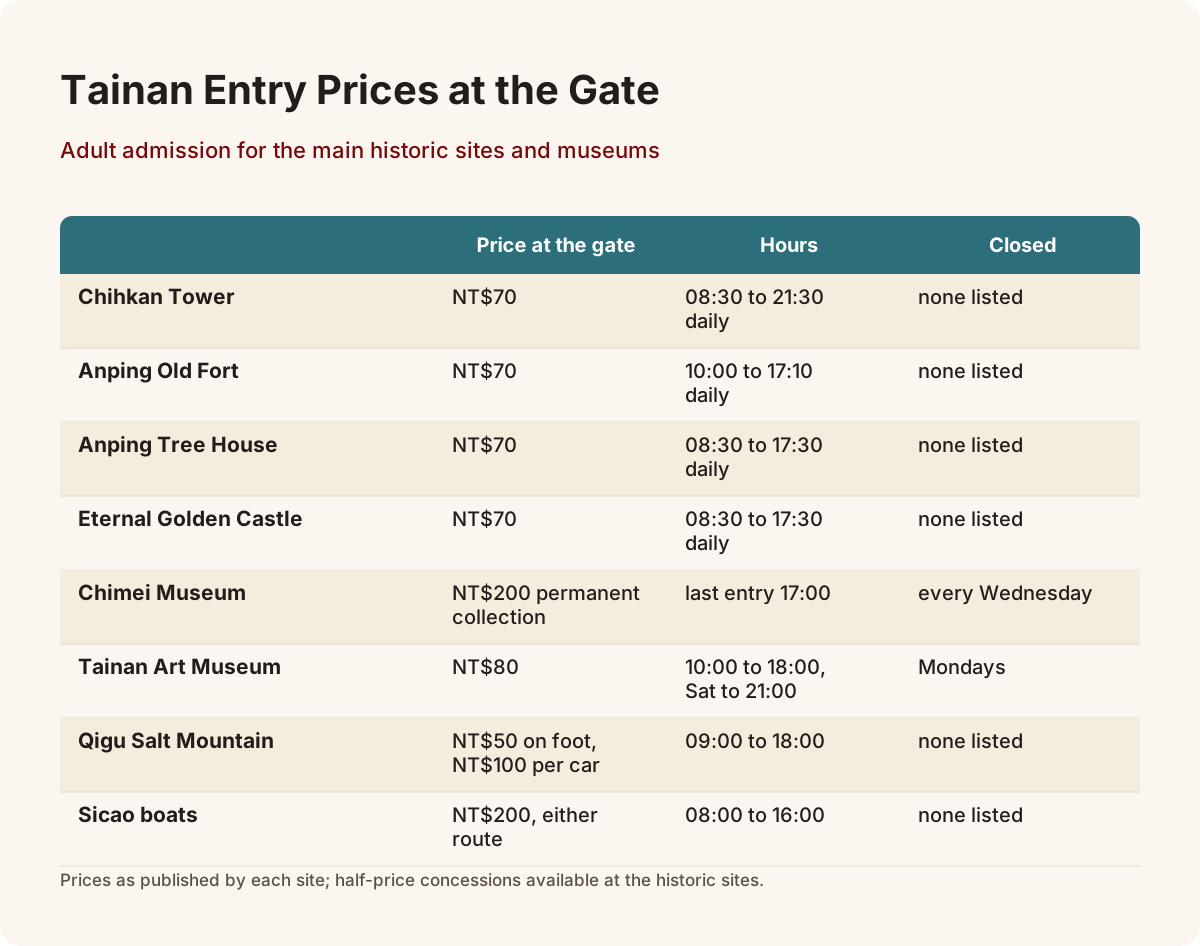
The four flagship historic sites, Chihkan Tower, Anping Old Fort, the Anping Tree House and the Eternal Golden Castle, each charge NT$70 at the gate, with half-price concessions. Chimei Museum is NT$200 for the permanent collection, the Tainan Art Museum is NT$80, Qigu Salt Mountain is a NT$50 cleaning fee on foot, and the Sicao boats are NT$200 on either route. Several major temples are free, including the Confucius Temple.
Those prices come from the Tainan City Government Tourism Bureau's own attraction pages and the venues' own sites, and the city attaches a standing caveat to all of them: the on-site notice governs. So read every figure as "at the gate", not as a guarantee. Concessions are half price at the city-run sites, and Tainan residents enter free with ID, which is a resident benefit and does not extend to visitors.
The free list is longer than most itineraries acknowledge. The Tainan Confucius Temple charges nothing and opens 08:30 to 17:30 daily. The Grand Matsu Temple, the Five Concubines Temple and Kaiyuan Temple are all free as well. A day built on temples, old streets and the canal costs nothing in admission at all, which is the premise behind the site's free things to do in Tainan guide.
| Site | Adult price at the gate | Hours | Closed |
|---|---|---|---|
| Chihkan Tower | NT$70 | 08:30 to 21:30 daily | none listed |
| Anping Old Fort | NT$70 | 10:00 to 17:10 daily | none listed |
| Anping Tree House | NT$70 | 08:30 to 17:30 daily | none listed |
| Eternal Golden Castle | NT$70 | 08:30 to 17:30 daily | none listed |
| Chimei Museum | NT$200 permanent collection | last entry 17:00 | every Wednesday |
| Tainan Art Museum | NT$80 | Tue to Sun 10:00 to 18:00, Sat to 21:00 | Mondays |
| Qigu Salt Mountain | NT$50 on foot, NT$100 per car | 09:00 to 18:00 | none listed |
| Sicao Green Tunnel boats | NT$200, either route | 08:00 to 16:00 | none listed |
| Tainan Confucius Temple | free | 08:30 to 17:30 | Lunar New Year's Eve |
Two details in that table are worth more than their rows suggest. Chihkan Tower's 21:30 closing is unusual: it is one of the few historic sites in the city a visitor can see after dinner, which effectively buys you an extra half-day. And the Sicao boat price is the same for both the mangrove Green Tunnel route and the longer Taijiang route, so there is no cheap option to hunt for. The Sicao Green Tunnel guide covers what each route actually involves.
How Much Does Food in Tainan Cost?
No official price list exists for food anywhere in Tainan, so no honest guide can print what a bowl of beef soup or a night market plate costs. What can be said is structural: Tainan's food culture is built on small, owner-run stalls rather than restaurants, portions are snack-sized, and the city has a durable reputation as the cheapest of Taiwan's big cities to eat well in. Budget food qualitatively, and check prices at the stall.
This is the section where most cost guides fall apart, so it is worth being blunt about why. The city government publishes bus fares and admission prices on its own pages. It publishes no dish prices, because no such list exists to publish. Any specific figure for danzai noodles, coffin bread or beef soup in any guide is either one traveler's memory or an invention, and both age badly.
What a planner can use instead is the shape of the market. Tainan eating happens at stalls and small shops, many of them decades old, and the portions are deliberately small so that a crawl across several stalls is the normal way to dine. That structure means a food budget scales with appetite rather than with a fixed menu, and it means the practical advice is to carry cash, since cards are not reliably accepted at stalls and night markets. The Tainan street food guide maps the dishes worth planning around, and the Tainan food crawl itinerary turns them into a walking route.
The night market layer adds a scheduling cost that no price table captures: the big outdoor markets rotate by day of the week, and showing up on the wrong night means the market simply is not there. The city's own pages give the current days, and they change, so check before you go.
| Night market | Open | Hours |
|---|---|---|
| Garden | Thu, Fri, Sat, Sun | 17:00 to 00:00 |
| Wusheng | Wed, Fri, Sat | 17:00 to 00:00 |
| Dadong | Mon, Tue, Fri | 18:00 to 01:00 |
| Siaobei | every day, indoor | 12:00 to 00:00 |
Friday is the one night all three big outdoor markets run. Wednesday is the thinnest, with Wusheng alone. Siaobei is indoors and open daily, which makes it the wet-weather and wrong-night answer, a point the site's rainy day itinerary leans on heavily.
The scheduling table above is the cheapest piece of trip planning in this entire article, because it costs nothing and saves whole evenings. Before moving on to the booked-experience layer of a Tainan budget, it is worth pausing on one point: everything priced so far, buses, boats and gates, adds up to a few hundred NT$, and the decisions that actually move a budget are the ones about what to book and what to leave free.
What Do Tours and Booked Experiences Cost in Tainan?
Tour prices in Tainan are set by operators, not by the city, so this site never prints them in prose: the operator's live listing is the only current source. What can be said is that the range is unusually wide, from a boat ride or a museum entry ticket at the low end to private car tours and multi-day southern Taiwan trips at the top, and that most of Tainan's headline sights need no booking at all.
That last point deserves emphasis, because a page that pretends everything is bookable reads as a shop. The temples, the old streets, the canal, the free-entry sites and three of the four night markets cost nothing and take no ticket. Booking earns its keep where it removes friction: a guided walk that routes you between food stalls you would never find alone, a boat with a seat held, a private car for a day that would otherwise eat hours in bus transfers.
The guided options worth weighing for a cost-conscious trip fall into three shapes. A walking tour with street food included collapses the food-research problem into one booked price. A full-day guided tour to the lagoon coast bundles transport, boats and temples into a single line of the budget. And a culture experience like the qipao rental in Anping turns photographs into a known cost instead of an impulse spend.
What Does a Cheap Day Versus a Comfortable Day Look Like?
A cheap day in Tainan can be built almost entirely from free and verified-low components: free buses with a card, free temples, the Confucius Temple at no charge, and cash spending at food stalls, with the only fixed costs being any paid site you choose. A comfortable day adds the NT$70 historic sites, a NT$200 museum or boat, and booked experiences priced by the operator. The difference between the two is mostly choices, not the city.
The cheapest defensible day looks like this. Ride the buses with an EasyCard or iPASS and tap off every time. Spend the morning in the free temples, the Confucius Temple first among them. Walk the old streets, which cost nothing. Eat at stalls with cash, checking prices at the counter. In the evening, pick the night market that matches the day of the week. The only money that must leave your pocket is food, and food at stall scale is the city's cheapest category by reputation.
The comfortable day keeps the free transport, because the card scheme does not care how much else you spend, and adds the paid layer deliberately. Chihkan Tower at NT$70 is the best-value paid site in the city given its late closing hour. The Chimei Museum at NT$200 is a half-day in itself, closed Wednesdays, and it sits on the free H31 shuttle route, which is a genuine two-birds arrangement for HSR arrivals. The Sicao boats at NT$200 are the one coastal expense worth planning around, and the Qigu salt flats day trip shows how the lagoon coast fits together.
Accommodation is the one line this page cannot price. Hotel rates belong to live booking systems, not to a static guide, and no official Tainan hotel price list exists. What can be said is structural: the where to stay in Tainan guide explains that the West Central District puts the densest cluster of temples, old streets and food stalls within walking distance, which quietly reduces transport spending to zero for much of a stay.
Where Does the Money Go Wrong for Most Visitors?
The three places a Tainan budget leaks are the HSR transfer, the wrong night for a night market, and Wednesday at the Chimei Museum. Each is a scheduling error rather than a price error, and each costs either a wasted fare, a wasted evening or a locked door. All three are avoidable with a calendar.
The transfer leak is the sneakiest. The High Speed Rail station is at Shalun in Guiren District, outside the old city, and travelers who do not know this budget for a train ticket and then discover the last mile costs more time and money. The free H31 shuttle for HSR passengers is the fix, and the Tainan HSR station guide walks through the transfer options. Arriving from Kaohsiung instead changes the arithmetic completely: Zuoying to Tainan is NT$140 standard, which makes the Kaohsiung day trip page relevant for anyone basing themselves in the south.
The night market leak is pure calendar. The big outdoor markets rotate, and the city updates the days, so a Wednesday arrival expecting Garden is a wasted evening. The mnemonic locals use, mapping the week onto Dadong, Wusheng and Garden, gets the primary market right but is folk shorthand rather than a schedule, and against the city's current pages it misses that Garden also runs Friday and Saturday. Trust the table above, then check before you go.
The Wednesday leak is the museum. Chimei Museum is closed every Wednesday, and the Tainan Art Museum is closed Mondays. Put the wrong one on the wrong day and the NT$200 or NT$80 line item buys a locked door.
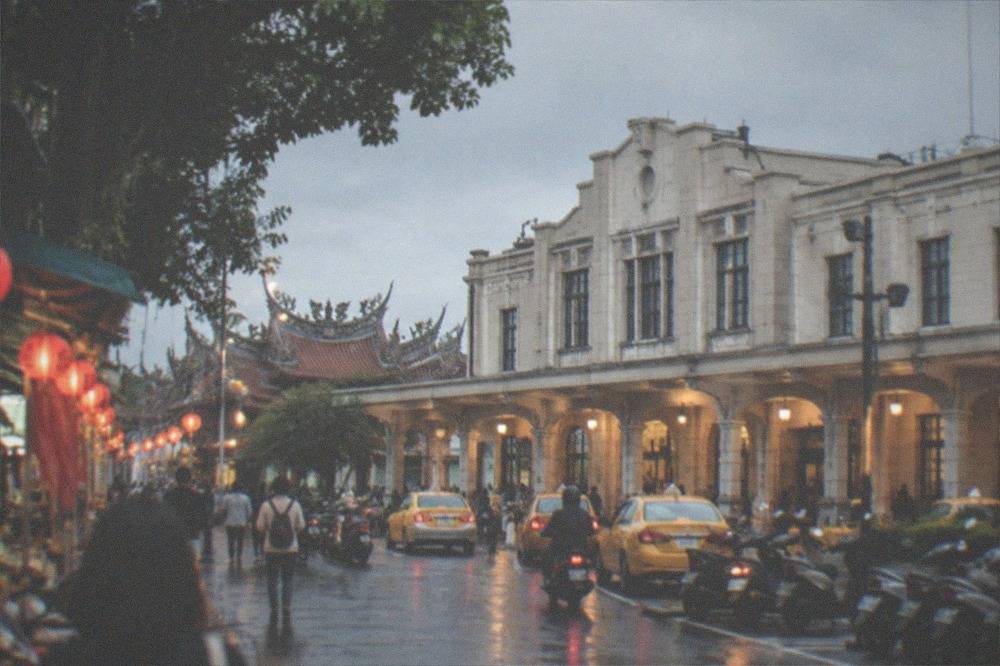
How Do You Spend Less in Tainan Without Missing Anything?
The biggest savings in Tainan are scheduling savings, not spending cuts: an EasyCard or iPASS makes the first 8 km of every bus ride free, the temples and old streets cost nothing, Friday aligns all three big night markets, and the free H31 shuttle covers the HSR transfer for rail passengers. The paid layer, NT$70 sites and NT$200 museums, is small enough that most budgets survive it intact.
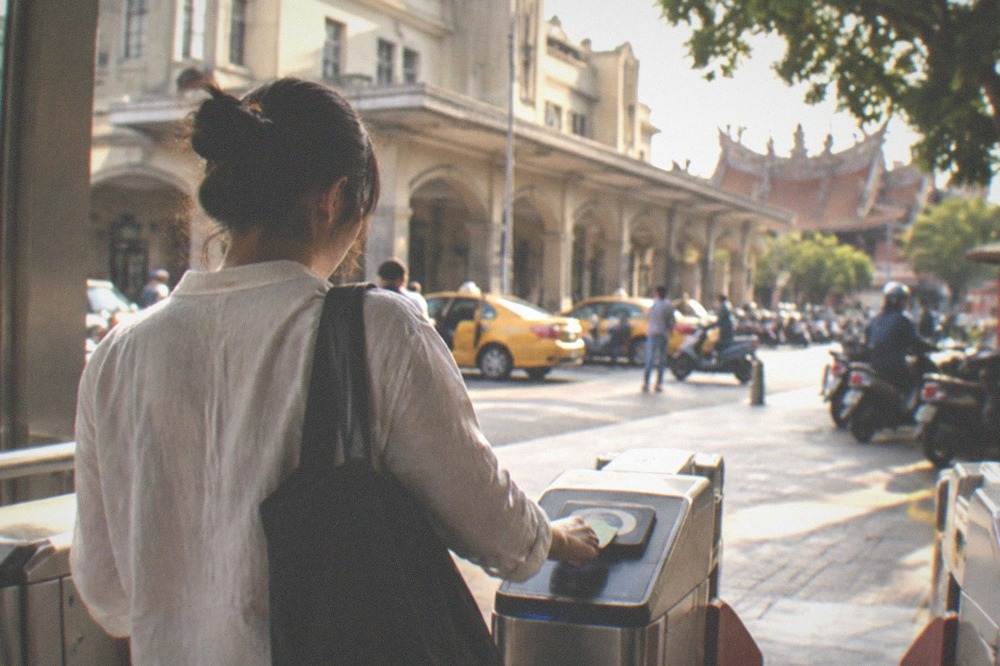
Start with the card. An EasyCard or iPASS covers the buses, works at the Tainan Art Museum ticket desk, and pays for itself on the first tapped ride of the day. The one thing it does not do is work on the High Speed Rail, a distinction worth remembering before you count on it at Shalun. The site's EasyCard guide covers exactly where the cards work and where they do not.
Then lean on the free layer harder than most itineraries do. The Confucius Temple, the Grand Matsu Temple, the Five Concubines Temple and Kaiyuan Temple are all free. Anping's old street and sword lion hunting cost nothing. The canal walk costs nothing. A visitor who books one food walk, rides the buses free and fills the rest of the day with temples and old streets has spent money on exactly the two things Tainan is famous for, food and history, and almost nothing else.
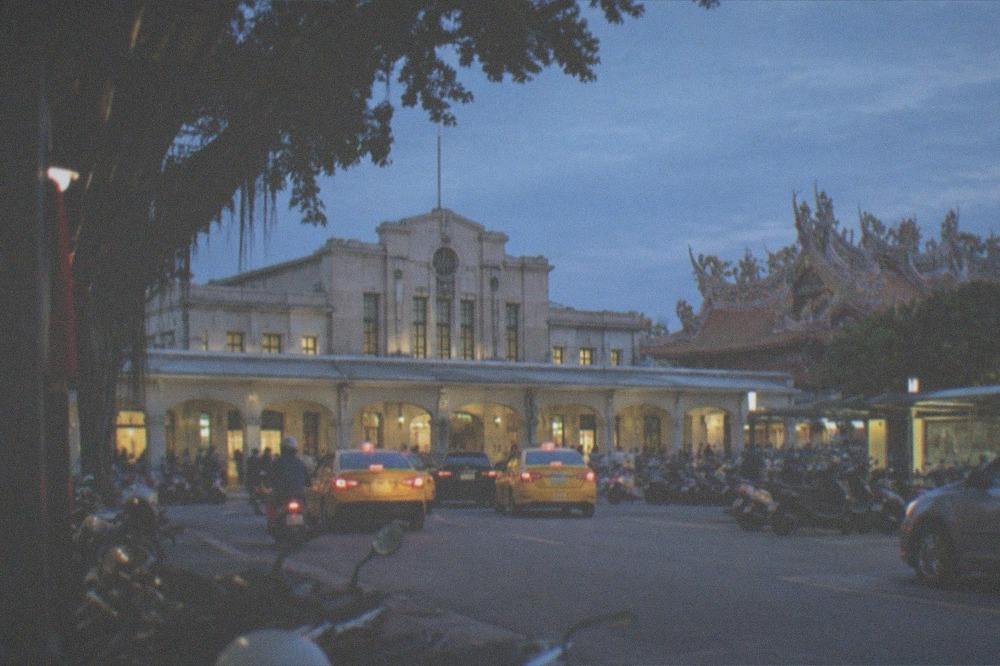
Finally, match the paid sites to the season. October to March is the dry, comfortable half of the year, with October averaging fewer wet days than any other month while still reaching 30.8C maxima, and the best time to visit guide pairs that with the festival calendar. A wrong-season visit does not raise prices so much as waste them: a NT$200 boat ride in a typhoon-week August is money spent against the climate table.
What Should You Budget per Day, Honestly?
The only defensible per-day numbers are the verified ones: transport at NT$26 cash or nothing with a card, paid sites at NT$70 to NT$200 each, and food as a cash-only category with no published prices. Multiply that out and a sightseeing-heavy day has a fixed cost of a few hundred NT$, while a food day has no fixed cost anyone can state. Hotel rates and taxi fares are unverifiable and belong to live booking systems.
A worked example makes the shape clear. Take a day that uses the buses with a card, enters Chihkan Tower and the Anping Tree House, and eats at stalls. The fixed, checkable spending is NT$140 in admissions plus food. Nothing else in that day has a price any official source publishes. That is the honest floor, and it is why Tainan has its bargain reputation: the priced part of the city is small, and the unpriced part, the stalls and temples, is the part people come for.
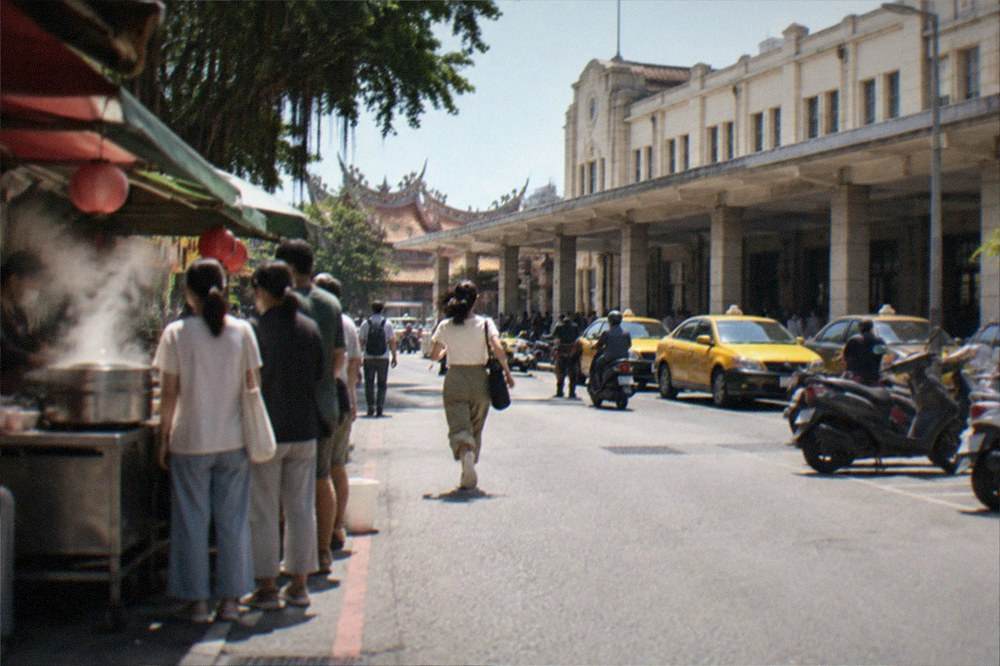
The longer the stay, the more the free layer does. A two-day plan or a three-day itinerary spreads the NT$70 sites across days and leaves room for the lagoon coast, where the Sicao boats and the salt mountain are the two real expenses. Travelers pairing Tainan with the rest of the island should read the ten days with Tainan route, where the intercity rail fares, not the city, dominate the budget.
Common Questions About Tainan Travel Costs
Is Tainan expensive to visit?
The priced parts of Tainan are cheap by any regional standard: buses are free for the first 8 km with an electronic card, the main historic sites charge NT$70 each, and major temples are free. Food has no official price list, but the city's stall-based eating culture and its reputation as Taiwan's cheapest big city to eat in keep that category flexible rather than fixed.
How much is the bus in Tainan?
The cash fare for a short city bus trip is NT$26. With a Citizen Card, iPASS, EasyCard or iCash 2.0, the first 8 km on trunk and branch routes are free, provided you tap on when boarding and tap off when leaving. The scheme runs for the 2026 calendar year and is re-confirmed annually.
Do I need cash in Tainan?
Yes, for food. Night markets, street stalls and small local eateries work in cash, and no official price list exists for any of them. Cards are reliable at hotels, department stores, chain restaurants and convenience stores, and the Tainan Art Museum takes EasyCard and iPASS at its ticket desk.
What is free in Tainan?
The Tainan Confucius Temple, the Grand Matsu Temple, the Five Concubines Temple and Kaiyuan Temple charge nothing. The old streets, the canal and Anping's sword lion trail are free public space, and city buses are free for the first 8 km with an electronic card. There are no free walking tours in Tainan, so treat any claim of one with suspicion.
How much does the High Speed Rail to Tainan cost?
Taipei to Tainan is NT$1,350 for a reserved standard seat and NT$1,305 non-reserved, from the operator's own fare table. Zuoying, the Kaohsiung end, is NT$140 standard. Beware the NT$2,230 figure that circulates: that is the Business Car fare from the other triangle of the same grid.
What does a night market cost in Tainan?
Entry is free, and there is no official price list for any dish at any Tainan night market, so no honest guide can print a plate price. Budget in cash, check prices at the stall, and remember the bigger cost is the calendar: the large outdoor markets rotate by day of the week, and Siaobei is the daily indoor fallback.
The through-line of every table on this page is that Tainan's priced surface is thin and its unpriced depth is enormous. Transport can be made free with a card and a habit of tapping off. The paid sights are a stack of NT$70 tickets with one NT$200 museum among them. The food, the reason most people come, resists fixed numbers because it was never designed as a fixed menu, and the Tainan Travel Guide homepage is the place to start matching these costs to an actual day by day plan.