Free Things to Do in Tainan
Tainan gives away more of itself than almost any city in Taiwan: four major temples with no ticket at all, old streets and canal banks that are open ground, and a bus network that charges nothing for short hops with an electronic card.
Short answer
Yes, Tainan can be enjoyed almost entirely for free. The Tainan Confucius Temple, Grand Matsu Temple, Five Concubines Temple and Kaiyuan Temple all charge no admission, the old streets and Anping canal are open public space, and city buses are free for the first 8 km with an EasyCard, iPASS or iCash 2.0.
Free Things to Do in Tainan
Tainan is one of the rare cities where the best of it costs nothing. The Tainan City Government Tourism Bureau's own attraction pages list four major temples with no ticket at all, the old streets and the Anping canal are open public ground, and the city's bus network waives the fare entirely for the first 8 km of any trunk or branch route when you pay with an electronic card. A traveller who arrives, walks, eats modestly and leaves can see the historic core without buying a single attraction ticket.
This page is the honest inventory: what is genuinely free, verified against the city's own published pages, and what is not. There are no free guided walks in Tainan, and this guide does not pretend otherwise. What it does instead is show you how much of the old capital you can cover on foot and by free short bus hop, and where a paid tour or a museum ticket earns its place. For the wider picture of the city's sights, start with our Tainan attractions overview, and for the story behind the streets, our Tainan history guide.
What Can You Do in Tainan for Free?
A great deal of the old city costs nothing to enter or to walk: the Tainan Confucius Temple, Grand Matsu Temple, Five Concubines Temple and Kaiyuan Temple all charge no admission, the old streets and the Anping canal are open public space, and the salt-coast viewpoints at Qigu are free to look at from the surrounding roads. Free in Tainan means free entry and open ground, not a discount or a trial. The city's own pages list no ticket for these temples, and the streets, canal banks and lagoon shore have no gate, no booth and no charge at all.
The distinction matters because Tainan is also a city of paid historic sites. Chihkan Tower, Anping Old Fort, the Anping Tree House and the Eternal Golden Castle each charge NT$70 at the gate, and the Chimei Museum charges NT$200 for its permanent collection. A first-time visitor sometimes assumes everything in the historic core is ticketed, and budgets accordingly. The opposite reading is truer: the temples that carry the city's spiritual weight, the streets that carry its texture, and the water that frames its sunsets are all free.
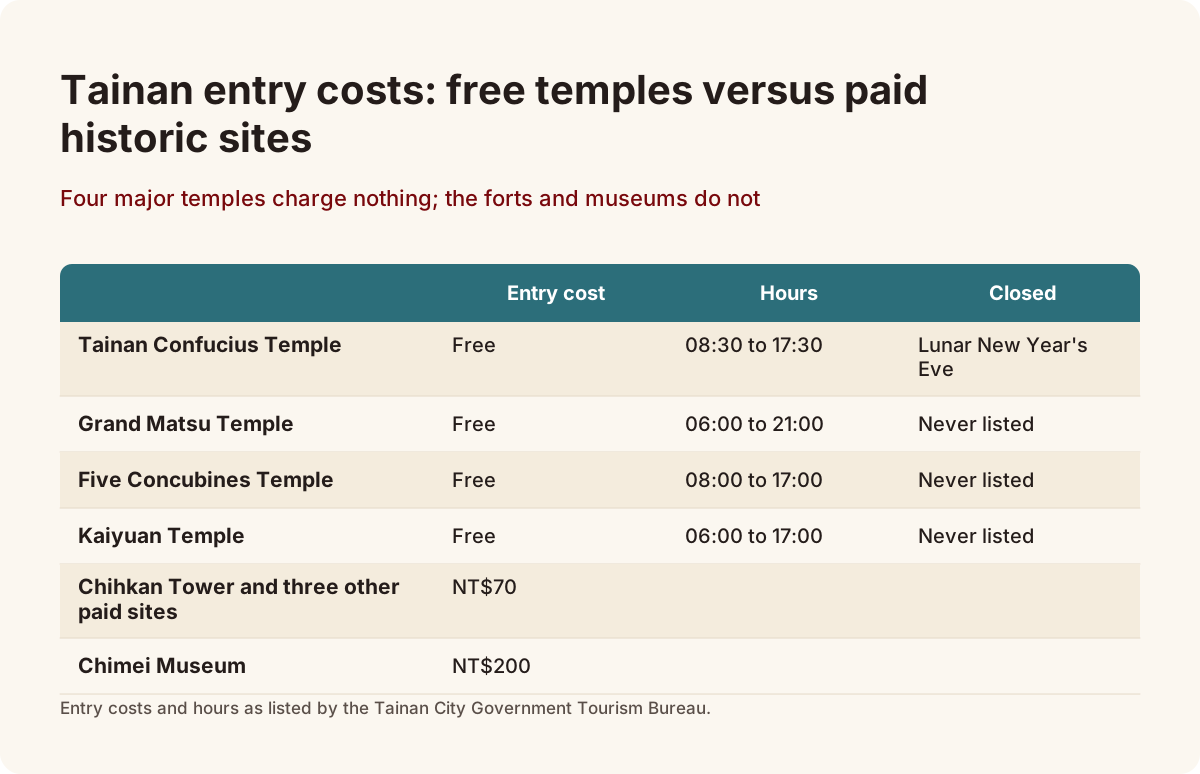
Here is the verified free list, with the hours the city's own pages publish:
| Site | Entry cost | Hours | Closed |
|---|---|---|---|
| Tainan Confucius Temple | Free, no ticket listed by the city | 08:30 to 17:30 | Lunar New Year's Eve |
| Grand Matsu Temple | Free | 06:00 to 21:00 | Never listed |
| Five Concubines Temple | Free | 08:00 to 17:00 | Never listed |
| Kaiyuan Temple | Free | 06:00 to 17:00 | Never listed |
| Old streets (Anping, Shennong, Guohua, Xinhua, Yanshui, Jingliao) | Free, open ground | Always walkable | Never |
| Anping canal and canal-side paths | Free, open ground | Always walkable | Never |
| Salt-coast viewpoints around Qigu | Free from public roads | Always viewable | Never |
Two caveats the city itself attaches. Prices and arrangements on its pages are stated as for reference, with the on-site notice governing, so treat the hours above as the published schedule rather than a guarantee. And free entry for Tainan residents with ID at the paid sites is a resident entitlement, not a traveller discount: a visitor is not a resident and should expect to pay the gate price at Chihkan Tower, Anping Old Fort and their peers.
Which Temples in Tainan Are Free to Enter?
Four of the city's most significant temples charge nothing: the Tainan Confucius Temple, open 08:30 to 17:30, the Grand Matsu Temple from 06:00 to 21:00, the Five Concubines Temple from 08:00 to 17:00, and Kaiyuan Temple from 06:00 to 17:00. All four are listed on the Tainan City Government Tourism Bureau's attraction pages with no ticket price at all. They are working temples, not museums, and the free entry reflects that: they are places of worship first and sights second.
The Tainan Confucius Temple holds a special place in the island's story. It carries the title "the first academy of Taiwan", a claim the city repeats on its own page, and it sits at the center of the old capital's scholarly identity. The city's page lists no admission charge of any kind. One point the sources do not settle is whether the Dacheng Hall itself carries a separate charge, so treat the courtyard and halls as free per the published page and follow whatever notice stands at the gate on the day.
The Grand Matsu Temple keeps the longest free hours of the four, from six in the morning to nine at night, which makes it one of the few heritage interiors in the city a visitor can see after dinner without a ticket. The Five Concubines Temple and Kaiyuan Temple are quieter, and that is their value: both are on the published free list, and both sit within easy reach of the streets and lanes that make up the rest of a free walking day. For the deeper context on temple culture and how to behave inside one, see our Tainan temples guide and our notes on temple etiquette if you are planning to visit during festival season.
A practical note on timing: temple hours are opening hours, not event hours. The Grand Matsu Temple opens at 06:00, and early morning is when the incense and the congregation are at their fullest. The Tourism Bureau's pages update these hours periodically, so a quick check before you set out is the sensible habit.
Are Tainan's Old Streets and Canals Free to Wander?
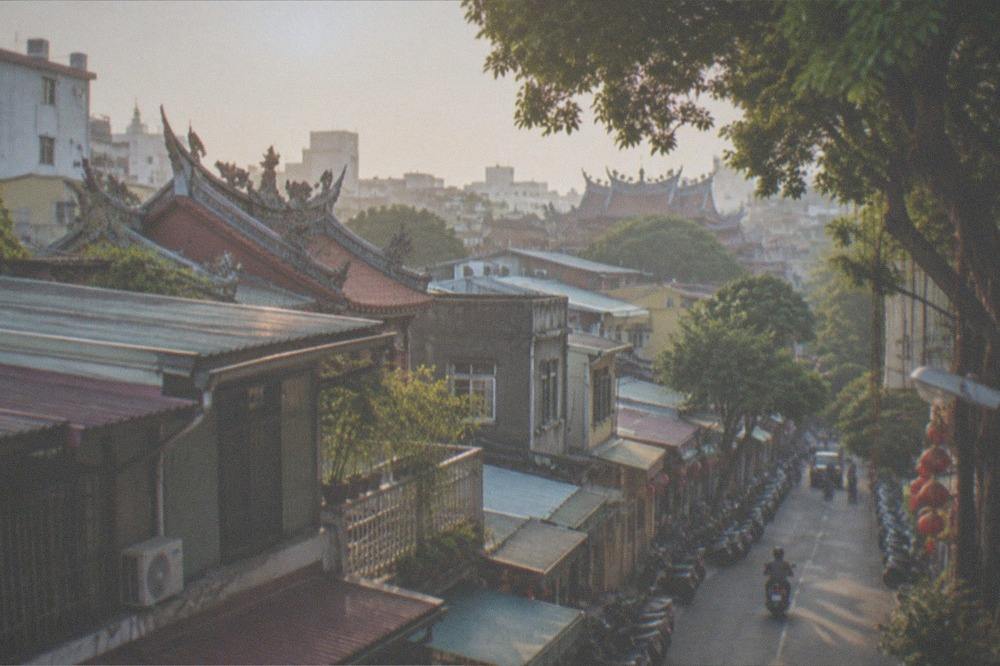
Yes, completely free. Anping Old Street, Shennong Street, Guohua Street and the canal-side paths are public ground with no gate, no ticket and no charge, and they hold as much of the city's character as any paid site in the old capital. Shennong Street in particular is a street of low restored facades, small bars and craft shops, and the whole experience of it is the street itself. The same is true of the Anping canal: walking its banks costs nothing and delivers the sunset.
This is where a free day in Tainan actually lives. The paid forts are magnificent, but the streets are where the city's daily texture is, and the city has never charged anyone to walk them. Anping Old Street runs through the oldest settled quarter of the city, the area the Dutch East India Company occupied from 1624, and the street pattern predates every ticket booth in town. Guohua Street is the snacking street, and while the food costs money, wandering it and reading the stalls costs nothing at all.
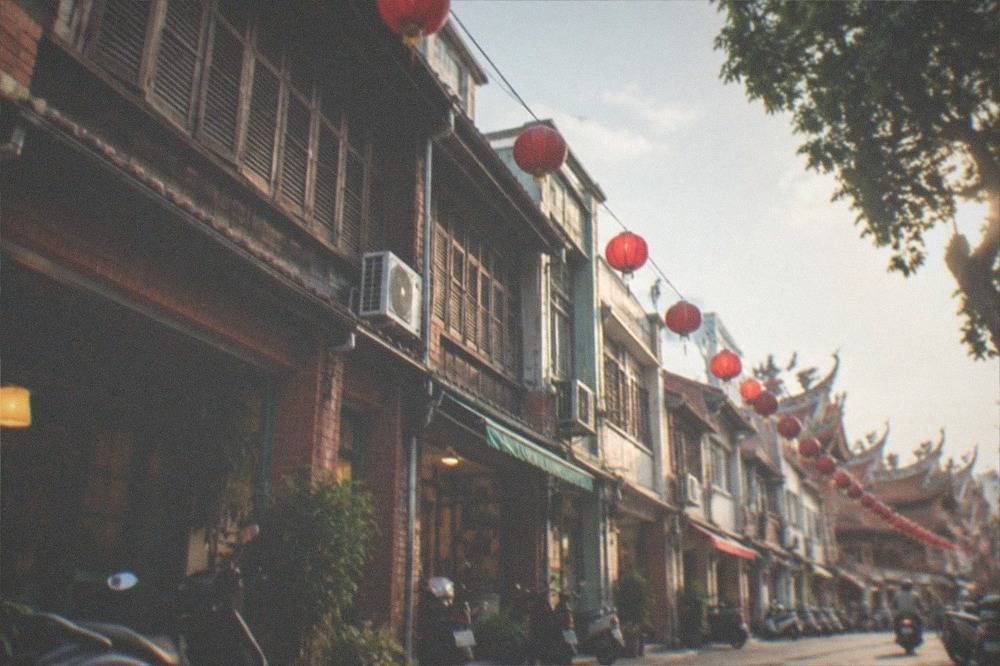
The honest framing is this: a free day in Tainan is a walking day. The distances between the Confucius Temple, the Grand Matsu Temple, Guohua Street and Shennong Street are short, and the city rewards the walker. What a paid tour adds is not access, because access is already free, but knowledge: a guide who can name the dishes, the dynasties and the door gods faster than any signboard. If that appeals, these are the options worth weighing.
Can You Get Around Tainan for Free?
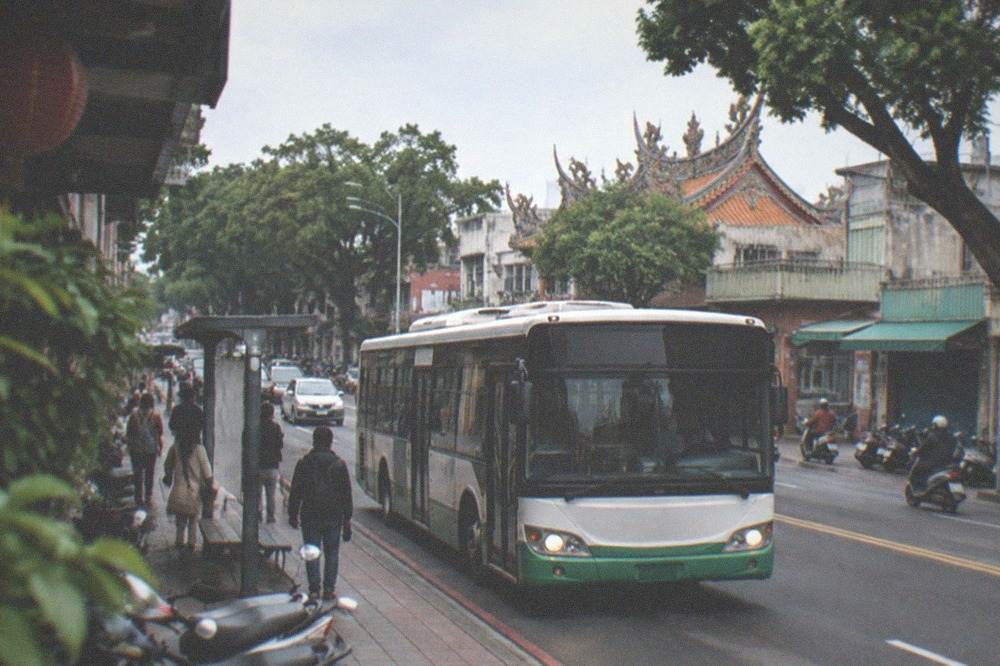
Partly, yes. Tainan city buses are free for the first 8 km on the trunk and branch network, a six-color system of green, blue, brown, orange, yellow and red routes, when you pay with a Citizen Card, iPASS, EasyCard or iCash 2.0 and tap on and tap off. The cash fare for the same trip is NT$26. The free first 8 km is a current annual policy running through the 2026 calendar year, not a permanent right, so re-check it before you rely on it.
The detail that catches visitors is the tap off. The city's own bus ticketing page states the free first 8 km in English and sets out the conditions in Chinese: you must hold one of the four electronic cards, and you must tap on and tap off, every ride. Miss the tap off and the discount does not apply. Tourist buses and the HSR express bus are excluded from the citizen-card discounts, which is worth knowing before you board.
| Payment method | First 8 km on trunk and branch buses | Notes |
|---|---|---|
| EasyCard | Free | Tap on and tap off required |
| iPASS | Free | Tap on and tap off required |
| iCash 2.0 | Free | Tap on and tap off required |
| Tainan Citizen Card | Free | Tap on and tap off required |
| Cash | NT$26 | No discount |
There is a second free ride worth knowing about, and it is aimed squarely at the arriving traveler. The H31 Tainan City Government Line express bus between the HSR station and the city is free for High Speed Rail passengers on production of a ticket stub, with no card tap needed. Other passengers pay NT$18 for one section or NT$36 for two, with the section break at the Chimei Museum, which places the museum directly on the shuttle route. Since the HSR station sits at Shalun in Guiren District, outside the old city, that free shuttle is the bridge between your train and your free walking day. Our getting around Tainan guide covers the rest of the network, and our Tainan HSR station page explains the transfer in detail.
When Is the Best Time to Enjoy Free Tainan?
October to March is the free-walker's window. The Central Weather Administration's 1991 to 2020 normals for Tainan show October averaging just 2.8 wet days while still reaching 30.8C maxima, and December bringing only 16 mm of rain across about 3 days. Nearly three-quarters of the annual 1,761 mm of rain falls between May and September, with August alone delivering 466 mm across 16 wet days. If your plan is to spend nothing and walk all day, the dry half of the year is when the plan works.
The climate table is the budget traveler's best friend, because a free itinerary is an outdoor itinerary. Temples have roofs, but old streets and canal banks do not, and a typhoon-day closure can empty a carefully planned day. The Tainan Art Museum states on its own hours page that it closes when the city government announces a typhoon or earthquake work suspension, and the same logic applies across the city's open ground. Our Tainan weather guide and Taiwan typhoon season page carry the detail.
| Month | Mean max C | Rain mm | Rain days |
|---|---|---|---|
| Jan | 23.0 | 20.7 | 3.8 |
| Feb | 24.0 | 21.6 | 4.1 |
| Mar | 26.6 | 30.4 | 4.2 |
| Apr | 29.3 | 69.8 | 5.9 |
| May | 31.4 | 165.6 | 9.0 |
| Jun | 32.4 | 370.5 | 12.1 |
| Jul | 33.0 | 374.6 | 13.0 |
| Aug | 32.6 | 466.1 | 15.8 |
| Sep | 32.4 | 170.5 | 8.5 |
| Oct | 30.8 | 30.8 | 2.8 |
| Nov | 28.1 | 23.8 | 2.4 |
| Dec | 24.4 | 16.2 | 3.0 |
One counter-intuitive fact from the national visitor dataset: Tainan's peak months are January and February, driven by temple pilgrimage and Lunar New Year, not by summer. Nankunshen Daitian Temple drew 6,583,100 visitors in 2023 against Chihkan Tower's 443,622, and the peak falls in the dry, comfortable half of the year. The free temples are busiest exactly when the weather is best, so if you want both emptiness and dryness, the shoulder months of the dry season are the sweet spot. Our best time to visit Tainan guide unpacks the trade-offs.
Are the Night Markets Free to Enter?
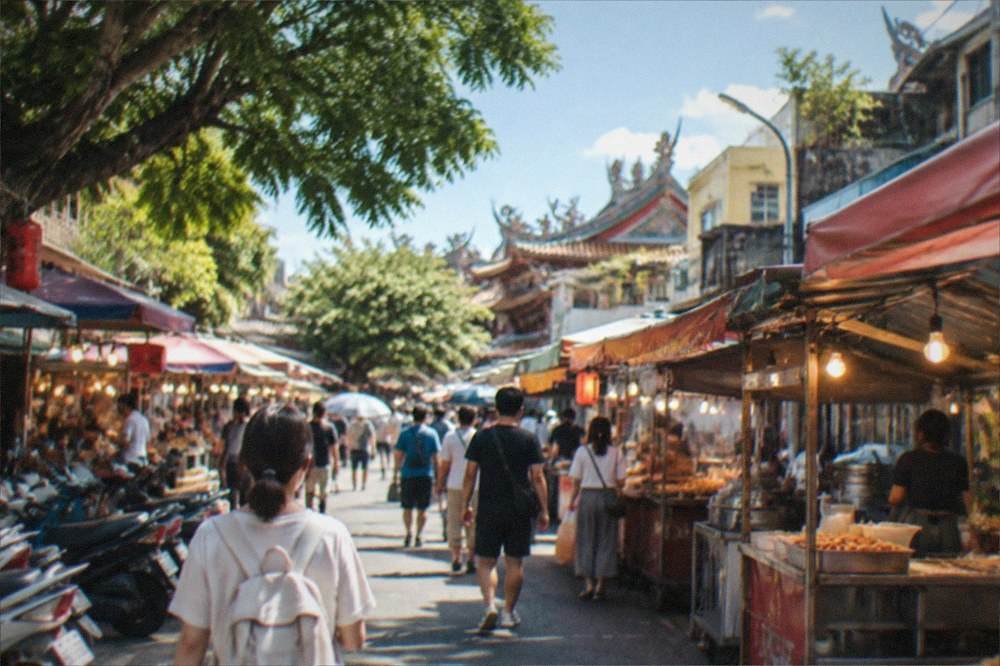
Yes, every Tainan night market is free to walk into, and browsing costs nothing even though the food does not. Garden Night Market opens Thursday to Sunday, Wusheng Wednesday, Friday and Saturday, Dadong Monday, Tuesday and Friday, and Siaobei is indoors and open every day. The markets rotate by day of the week, which is the single most useful scheduling fact in the city, and Friday is the only night when all three big outdoor markets run at once.
The rotation is worth planning around even on a zero-budget day, because a night market is a free evening's entertainment with food as the optional extra. The Tainan City Government Tourism Bureau's own pages publish the days, and the city updates them periodically, so check before you go. Our Tainan night markets guide carries the full picture, including the indoor Siaobei option for wet nights.
| Market | Open | Hours |
|---|---|---|
| Garden | Thu, Fri, Sat, Sun | 17:00 to 00:00 |
| Wusheng | Wed, Fri, Sat | 17:00 to 00:00 |
| Dadong | Mon, Tue, Fri | 18:00 to 01:00 |
| Siaobei | Every day, indoor | 12:00 to 00:00 |
Locals compress the rotation into a seven-character rhyme, and it gets the primary market for each night right, but it is folk shorthand rather than an official schedule: against the city's current published hours it misses that Garden also opens Friday and Saturday, and that Wusheng also opens Friday. Trust the table, enjoy the rhyme, and check the city's pages before you commit an evening. Wednesday is the thinnest night, with Wusheng alone among the big outdoor markets, and Siaobei is the wrong-night and wet-weather answer. The full index of guides sits on Tainan Travel Guide.
Which Paid Experiences Are Worth Adding to a Free Day?
The ones that add what free access cannot: a guide's knowledge, transport out to the lagoon coast, and food you would not otherwise find. A food and culture walking tour, a day tour that bundles Qigu Salt Mountain with Chihkan Tower and Anping, and an oolong tea ceremony each solve a problem that walking alone does not. None of them is a requirement, and the free side of the city stands on its own, but they are the products that fit the gaps.
The food walk is the clearest case. Guohua Street is free to wander, but the dishes that made Tainan famous, from danzai noodles to beef soup, are scattered, seasonal and unlabelled in any language a first-time visitor reads fast. A guided walk converts a street into a menu. The Qigu day tour solves a different problem: the salt mountain and the lagoon sit out on the coast, and reaching them by public transport eats half a day, while a tour folds them into one loop with the city's headline forts.
The coast tour earns its price in logistics alone, and the same logic applies to the food walk: the money buys time and local knowledge, not access, because access in Tainan is already free. Neither tour is a gate you must pass to see the city, and neither should be booked as if it were.
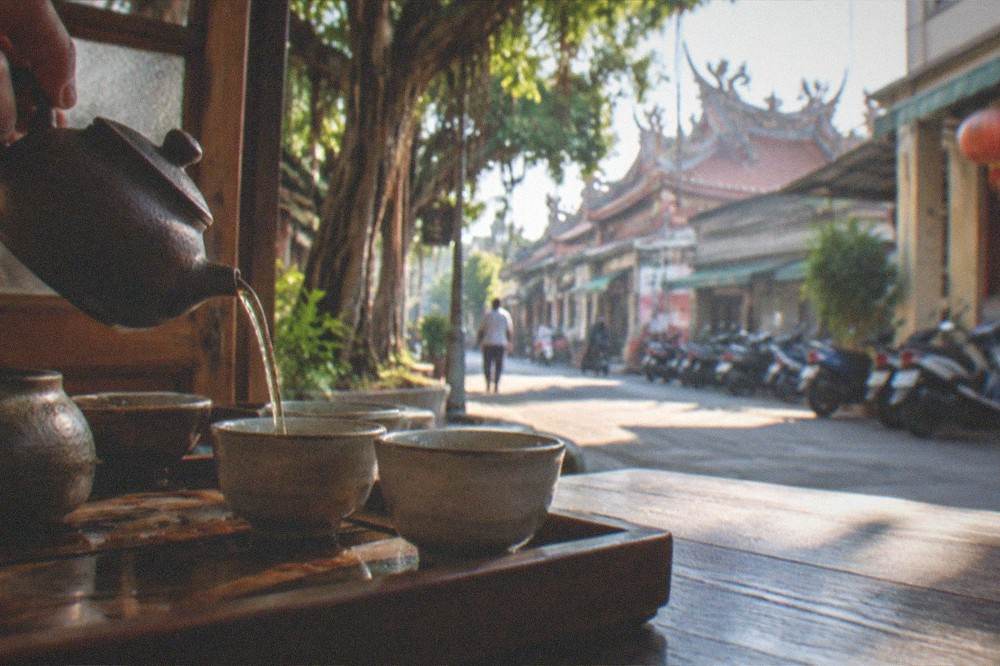
The tea ceremony is the quietest of the three and the one that pairs best with a temple day. An oolong ceremony is an hour and a half of guided culture in a city whose identity was built on trade and ritual, and it sits comfortably at the end of a day spent walking free temples and free streets.
If a single one of these fits your trip, the tea ceremony is the one that most naturally rounds off a free day, and the operator's live listing carries the current times and availability.
What Does the Latest Data Say About Free Tainan?
Common Questions About Free Things to Do in Tainan
Is the Tainan Confucius Temple free?
Yes. The Tainan City Government Tourism Bureau's page for the temple lists no ticket price at all, with hours of 08:30 to 17:30 and a closure only on Lunar New Year's Eve. The on-site notice governs on the day, but the published entry cost is zero.
Are there free walking tours in Tainan?
No. The free-walk channel was checked and it lists zero Tainan tours, so no free or tip-based guided walk exists to book. Free in Tainan means free entry and open ground, and this page's list is the honest version of that. Paid guided walks and food tours do exist and are listed above as optional extras.
Are Tainan buses really free?
For the first 8 km on the trunk and branch network, yes, if you pay with a Citizen Card, iPASS, EasyCard or iCash 2.0 and tap on and tap off. The cash fare for the same trip is NT$26. The scheme runs through the 2026 calendar year, so re-check it before relying on it.
Is Anping Old Fort free?
No. Anping Old Fort charges NT$70 at the gate, with a half-price concession and free entry for Tainan residents with ID. The free sights in Anping are the old street and the canal-side paths, which are open public ground.
What is the best free thing to do in Tainan at night?
Walk into a night market, which costs nothing to enter, or visit the Grand Matsu Temple, which stays open until 21:00 with no ticket. Chihkan Tower is also open until 21:30, though it charges NT$70, making it one of the few paid historic sites a visitor can see after dinner.
Do tourists get free entry to Tainan's city-run sites?
No. Free entry with ID is a Tainan resident entitlement, not a visitor discount. Tourists pay the published gate price, with half-price concessions for eligible groups. The genuinely free sights are the four temples and the open streets and shorelines listed above.
The Free Tainan, Summed Up
Tainan is a city where the oldest things cost the least: four temples that anchor its spiritual life charge nothing, the streets that carry its daily texture have no gate, and a bus system with an electronic card waives the fare for the short hops that stitch the old core together. The paid layer, the forts, the museums and the guided days, is real and often excellent, but it sits on top of a free foundation most cities would envy.
Plan the free days around the dry October-to-March half of the year, check the night market rotation against the city's own pages before each evening, and tap off the bus. That is the whole trick, and it costs nothing to learn.