Temple Etiquette in Tainan
Tainan has more historic temples than any other city in Taiwan, and most of them cost nothing to enter. Knowing the local courtesies before you arrive makes the difference between a rushed photo stop and a visit that respects a living place of worship.
Short answer
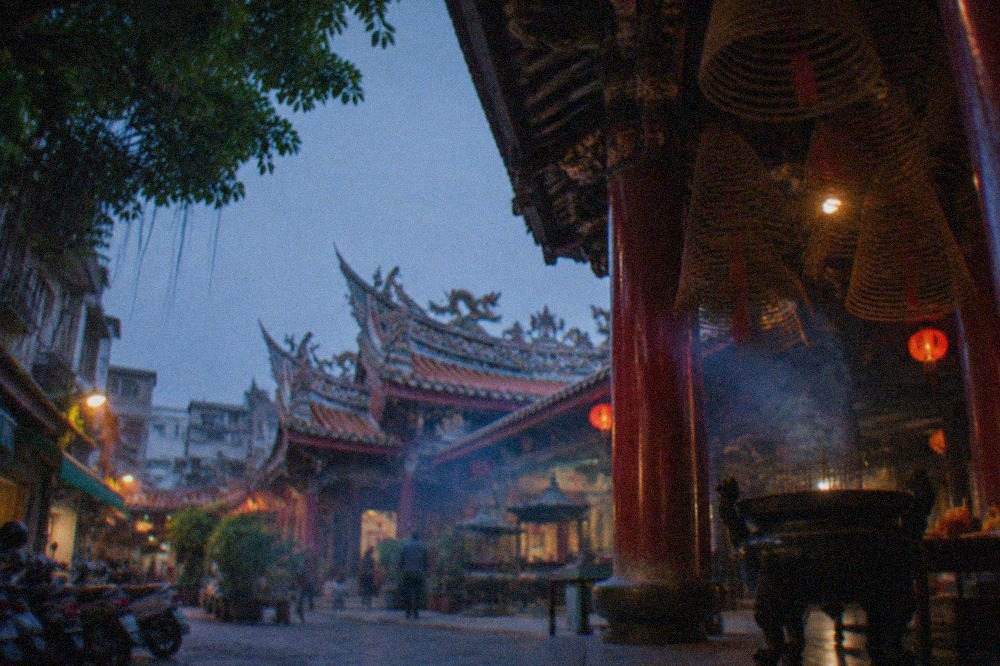
Temple etiquette in Tainan comes down to a few simple courtesies: dress modestly, keep your voice low, ask before photographing worshippers or ceremonies, do not touch statues or offerings, and follow the lead of local visitors. Entry to the city's major temples is free, and hours are generous, with the Grand Matsu Temple open from 06:00 to 21:00 daily.
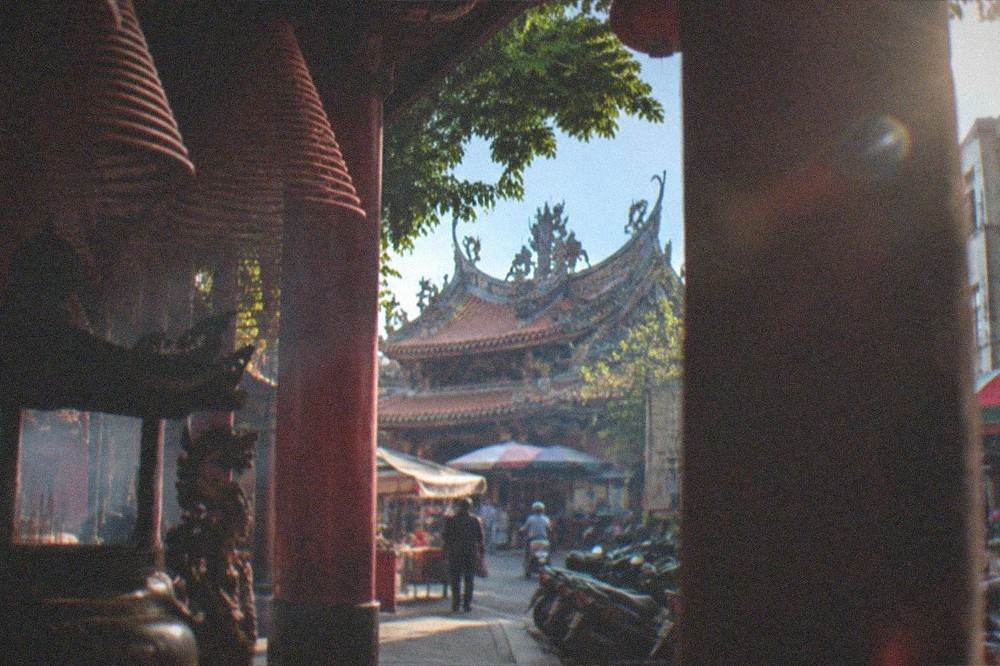
Tainan was Taiwan's capital for more than two centuries, until the late nineteenth century, and the temples built during those years are still the working heart of the city. The Tainan Confucius Temple, the Grand Matsu Temple, the Sacrificial Rites Martial Temple and dozens of smaller neighborhood shrines are not museums behind rope: they are active places of worship where incense is lit every morning, offerings are set out, and residents come to pray, celebrate and mourn. That is exactly why they are worth visiting, and why a small amount of preparation matters. This page sets out the practical courtesies, the verified hours and prices, and the festival calendar, so a first visit lands well.
What Is Temple Etiquette in Tainan?
Temple etiquette in Tainan means treating active places of worship as places of worship rather than photo backdrops: dress with shoulders and knees covered, keep your voice low, step aside for worshippers and processions, ask before photographing people or ceremonies, do not touch statues, altars or offerings, and follow the visible lead of local visitors. None of the city's major historic temples charges admission, so the only real price of entry is courtesy.
None of this is complicated, and nobody is expected to know ritual procedure. What residents notice is attitude. A visitor who moves quietly, gives way, and does not interrupt a prayer or an offering is welcome anywhere. A visitor who poses loudly on the steps of a hall while a ceremony is in progress is not, in Tainan or anywhere else in Taiwan. The city's Tourism Bureau describes the Confucius Temple as the "first academy of Taiwan," a title the site still carries with pride, and the atmosphere of the whole complex reflects that: it is scholarly and calm, less a riot of incense than a place people read, stroll and sit.
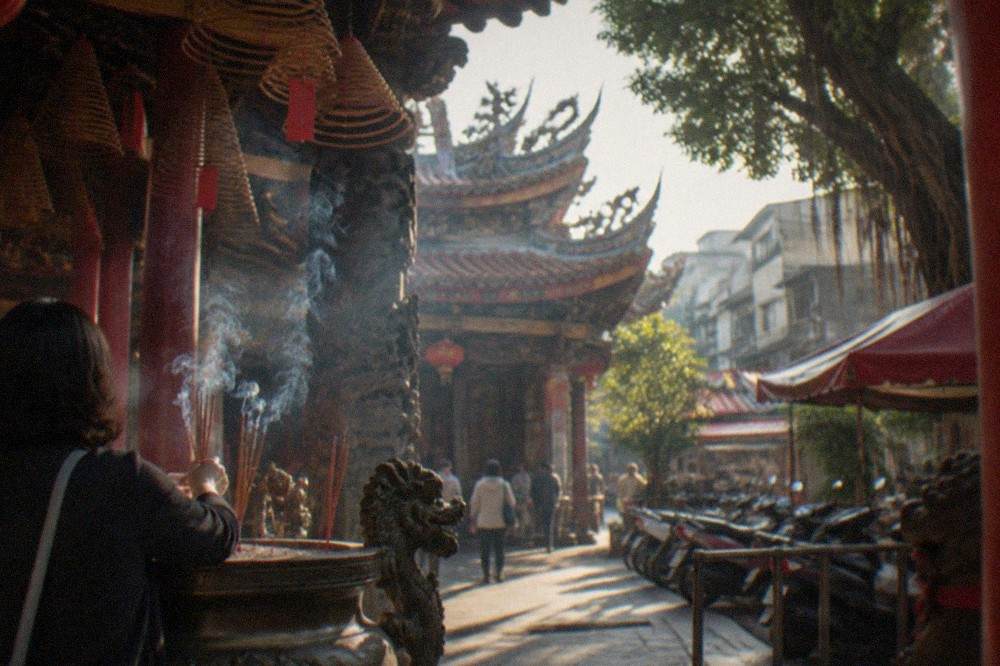
A useful framing: temples in Tainan fall into two rough types, and the expectations differ slightly. The grand civic temples, like the Confucius Temple and the Grand Matsu Temple, are semi-public spaces with courtyards, gardens and tourists most days. The smaller neighborhood temples, of which Tainan has hundreds, are intimate and local, and a visitor walking into one is more conspicuously a guest. The same manners apply in both, but in a small temple the volume should drop further and the visit should be shorter unless invited to stay.
For travelers building a whole route around the city's religious sites, the Tainan temple trail itinerary strings the main halls together in a workable walking order.
What Should You Wear to a Tainan Temple?
Dress for a Tainan temple the way you would dress for a conservative place of worship anywhere in East Asia: cover shoulders and knees, skip very short shorts, short skirts and strapless tops, avoid swimwear and revealing gym wear entirely, and keep hats off inside the halls. There is no formal dress code at the Confucius Temple or the Grand Matsu Temple, no ticket checks clothing, and nobody will be turned away for a sleeveless shirt, but modest dress is the visible norm among local visitors.
Tainan's climate shapes this question more than etiquette does. The Central Weather Administration's 1991 to 2020 normals for Tainan show 186 days a year above 30C, and from April to October the city is above 30C on most days. Lightweight, loose clothing is the practical answer, and it happens to be the respectful one: a light long-sleeve shirt, loose trousers or a long skirt covers everything a temple expects while staying cooler than tight synthetics. The same climate table shows why layering matters in winter: January averages 17.9C with maxima of 23C, so mornings at a temple courtyard can feel cool even when afternoons do not.
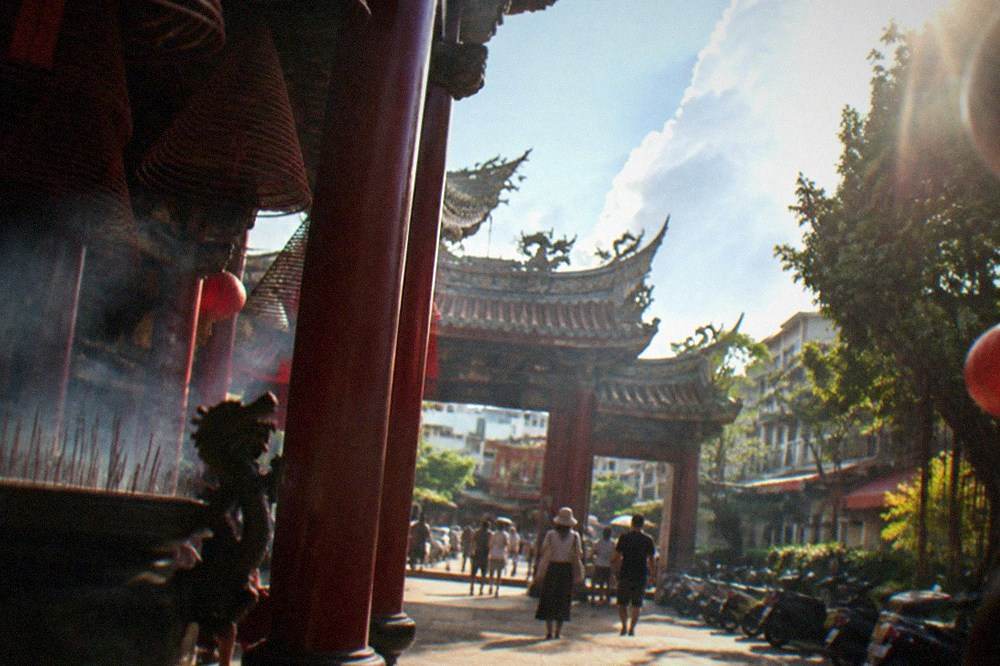
Footwear is simpler in Taiwan than in some parts of Asia. Taiwanese temples generally do not require visitors to remove shoes at the main entrance the way temples in Thailand or Japan do, and the city's own pages list no shoe rule at any of the major sites. If a side hall or a residential shrine has a shoe rack at the door, follow the local lead. Otherwise, ordinary walking shoes are fine, and comfortable ones matter, because the temple trail covers a lot of ground.
For the Confucius Temple specifically, the site's dress expectations are covered in more detail on the Confucius Temple dress code page.
How Should You Behave Inside a Tainan Temple?
Behave in a Tainan temple as a guest in someone's place of worship: speak quietly or not at all, switch phones to silent, do not walk in front of a person mid-prayer, do not touch statues, altar furniture or offering tables, do not point the soles of your feet toward an altar when sitting, and never remove or handle offerings that worshippers have left. Photography of the architecture is generally acceptable; photography of worshippers without asking is not, and flash inside halls is poor form everywhere.
The one behavior that causes most friction is interrupting worship. Tainan's temples are busy working buildings: the Grand Matsu Temple opens at 06:00 and closes at 21:00, and its own city page records 354,897 visitors in 2023, many of them local residents on ordinary errands of prayer. When someone is lighting incense, bowing or presenting an offering, the courteous move is to wait, step back, or take a different route through the courtyard. No ceremony needs an audience that crowds it.
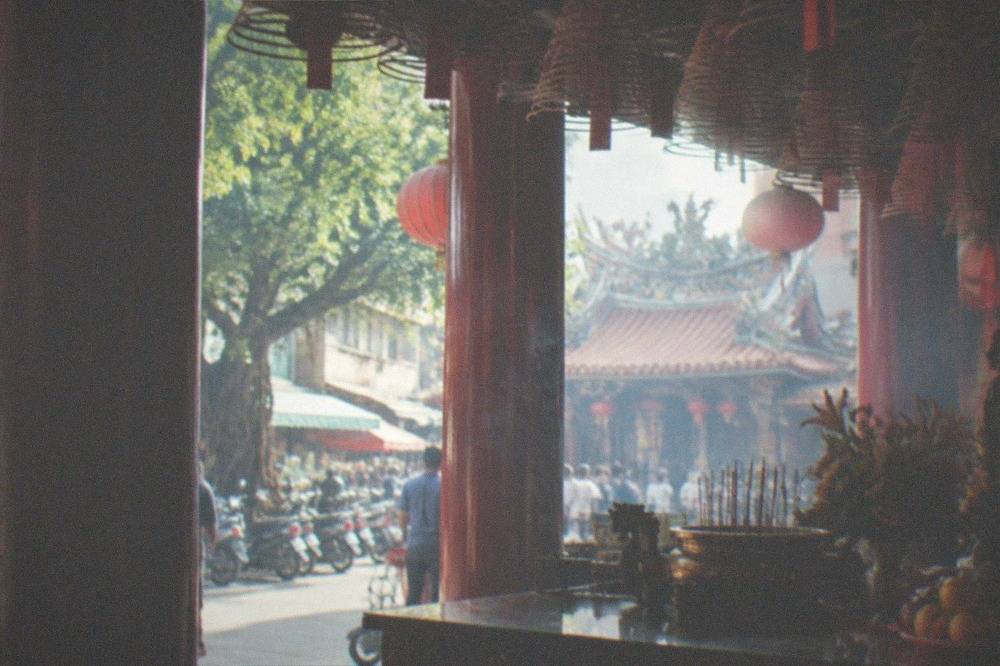
A note on incense: visitors are generally welcome to observe the ritual, and some temples make incense available, but this page deliberately does not publish a step-by-step procedure, because the details vary by temple, by deity and by occasion, and getting them half right is worse than not trying. Watching what local worshippers do, and copying only if it feels natural, is the honest approach. Nobody expects a foreign visitor to perform a ritual, and a respectful observer is never out of place.
The same principle covers festival crowds. During the Yanshui Beehive Fireworks, held in February on the Lantern Festival, and the big pilgrimage dates at Nankunshen Daitian Temple in Beimen, temples are at their busiest and most ritual-intense. On those days the etiquette is simple: stand well back, follow marshal directions, and treat the event as the community's own rather than a show staged for visitors. The city's festival calendar, published by the Tainan City Government Tourism Bureau, lists the months for every major temple event, and checking it before a trip is the single best preparation.
Which Tainan Temples Are Free to Enter?
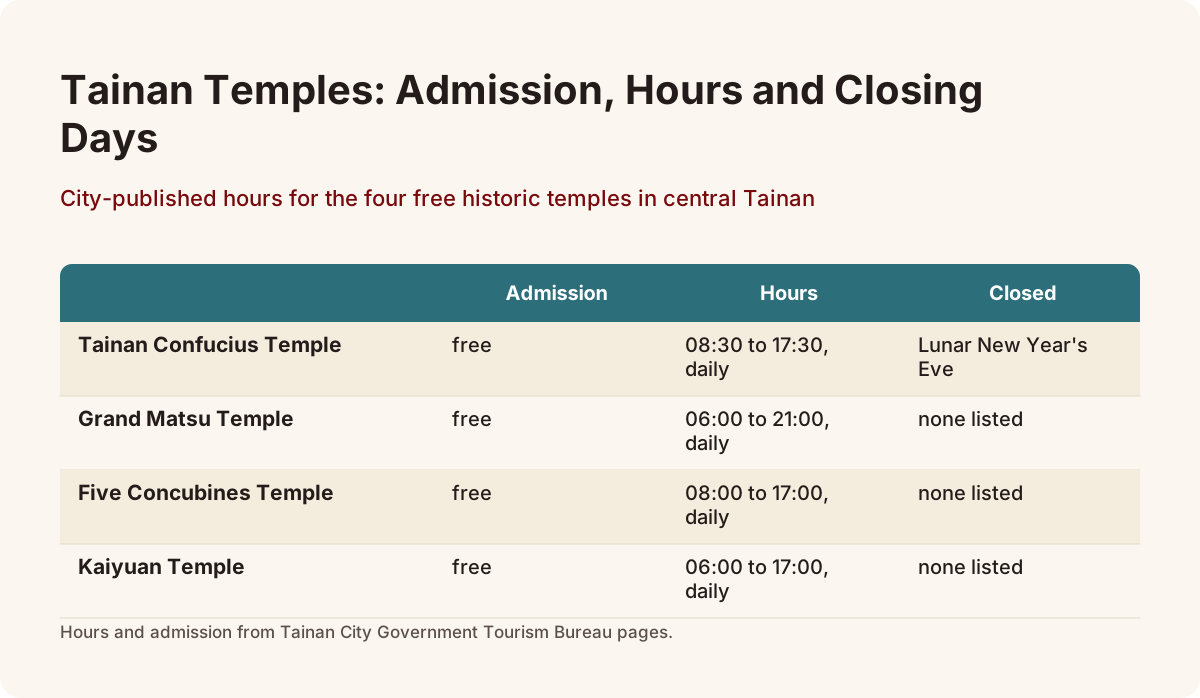
Every major historic temple in central Tainan is free to enter: the Confucius Temple, the Grand Matsu Temple, the Five Concubines Temple and Kaiyuan Temple all charge no admission, according to the Tainan City Government Tourism Bureau's own pages, which list no ticket at any of the four. The city's paid historic sites, Chihkan Tower at NT$70 and Anping Old Fort at NT$70, are forts and former administrative buildings, not active temples, so a temple-focused day in Tainan can genuinely cost nothing at the door.
This is one of the quiet strengths of the city. The free list is not the minor list: the Confucius Temple is the site the city itself calls the first academy of Taiwan, and the Grand Matsu Temple is a former royal palace building converted into a temple, a history few Taiwanese temples can claim. The full free-entry picture, including parks, streets and museums with free components, is on the free things to do page of this site.
| Temple | Admission | Hours | Closed |
|---|---|---|---|
| Tainan Confucius Temple | free | 08:30 to 17:30, daily | Lunar New Year's Eve |
| Grand Matsu Temple | free | 06:00 to 21:00, daily | none listed |
| Five Concubines Temple | free | 08:00 to 17:00, daily | none listed |
| Kaiyuan Temple | free | 06:00 to 17:00, daily | none listed |
Hours are the city's own published figures, and the city's pages carry the note that the on-site notice governs, so a quick glance at the gate on arrival is the final word. The early morning opening at the Grand Matsu and Kaiyuan temples is worth knowing: a 06:00 start means the courtyards are at their calmest and coolest in the first hours of daylight, which suits both photography and quiet observation.
What Are the Opening Hours for Tainan's Temple Sites?
The main temple sites keep generous hours: the Grand Matsu Temple and Kaiyuan Temple open at 06:00, the Confucius Temple opens at 08:30 and closes at 17:30, and the Five Concubines Temple runs 08:00 to 17:00, all daily. Among the paid historic sites, Chihkan Tower is the outlier, open 08:30 to 21:30 every day, one of the few historic sites in the city a visitor can see after dinner.
That late Chihkan closing deserves emphasis, because it changes how an evening can be planned. Most of Tainan's heritage shuts in the late afternoon: Anping Old Fort closes at 17:10 and the Anping Tree House at 17:30. Chihkan Tower's 21:30 close, published on the city's own page, means a temple-and-fort day does not have to end at five. The Sacrificial Rites Martial Temple and the Tainan City God Temple, both in the old west-central quarter, sit within a short walk of Chihkan Tower, so a late-afternoon circuit of all three is a realistic plan.
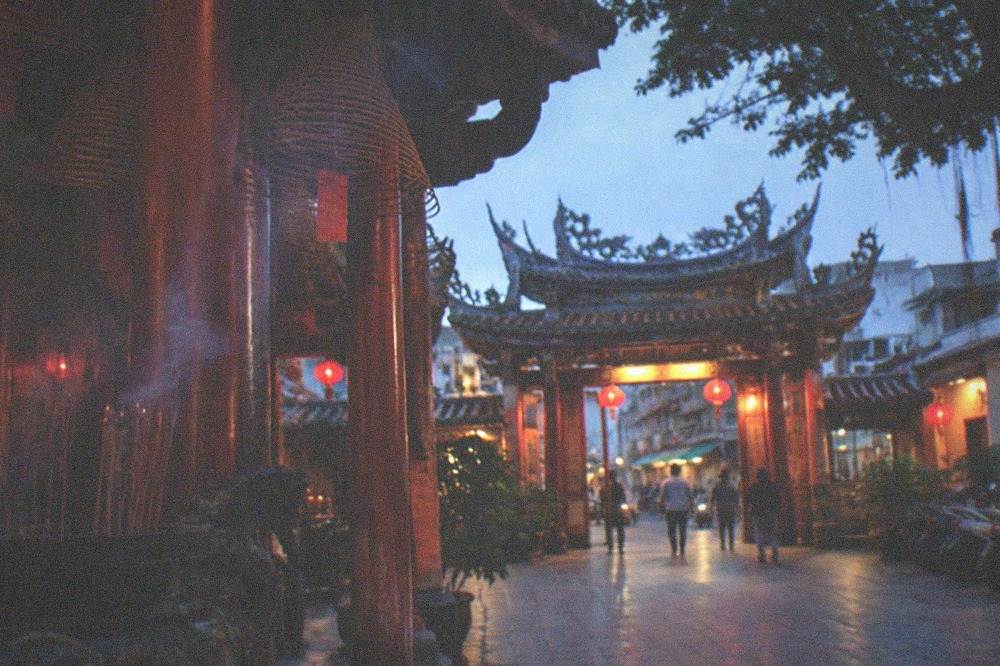
One closure rule matters more than the rest: several sites shut on Lunar New Year's Eve, including the Confucius Temple and the paid Chimei Museum. That is the single busiest travel window of the Taiwanese year, and a visitor arriving in late January or February without checking the lunar calendar can find the one site they most wanted to see closed for the day. The city's pages list these closures explicitly, and they are repeated in the table above.
When Is the Best Time of Year for Temple Visits in Tainan?
October to March is the best window for temple visits in Tainan: those months average 16 to 31 mm of rain, two to four wet days each, and daytime maxima of 24 to 31C, against August's 466 mm of rain across 16 wet days. Visitor numbers agree with the weather: the city's temple sites peak in January and February, driven by Lunar New Year and temple pilgrimage, not in summer.
The rainfall figures come from the Central Weather Administration's 1991 to 2020 climate normals for Tainan station 467410, and they tell a clean story. Close to three-quarters of the annual 1,761 mm falls between May and September, with August the wettest month and December the driest at 16 mm. October is the quiet month most visitors never consider: it has fewer wet days than any other month, 2.8, while still averaging maxima of 30.8C. For standing in open temple courtyards, that combination is close to ideal.
| Month | Mean max C | Rain mm | Wet days |
|---|---|---|---|
| January | 23.0 | 20.7 | 3.8 |
| February | 24.0 | 21.6 | 4.1 |
| May | 31.4 | 165.6 | 9.0 |
| August | 32.6 | 466.1 | 15.8 |
| October | 30.8 | 30.8 | 2.8 |
| December | 24.4 | 16.2 | 3.0 |
The January and February peak is the counter-intuitive part, and the Tourism Administration's own visitor dataset makes it plain. In 2023, Nankunshen Daitian Temple in Beimen recorded 6,583,100 visitors and the Anping district 4,441,443, against 443,622 at Chihkan Tower and 195,109 at the Confucius Temple. Two caveats travel with those numbers: each site compiles and reports its own count, so an open old street and a ticketed museum are not measured the same way, and the 2020 to 2022 figures were depressed by COVID. But the pattern holds across every year in the dataset: Taiwan's temple season is winter, and the biggest draws are working pilgrimage temples, not the Dutch-era forts.
What Festivals Center on Tainan's Temples?
The temple festival year in Tainan runs on the lunar and seasonal calendars: the Yanshui Beehive Fireworks in February on the Lantern Festival, the Yuejin Lantern Festival from February to March, the Confucius Temple Cultural Festival in September, and the Guanziling Hot Spring and Food Festival from September to November, all listed on the Tainan City Government Tourism Bureau's official festival calendar. Nankunshen Daitian Temple holds its major Wang Ye pilgrimages on fixed lunar dates in the fourth, sixth and eighth lunar months.
For a visitor, two of these matter most. The Yanshui Beehive Fireworks, held in February on the Lantern Festival, is Taiwan's most intense festival experience: a procession through Yanshui's old streets with rockets fired into the crowd, and participants wear padded jackets, full-face helmets and gloves. The event's exact Gregorian dates shift with the lunar calendar and are confirmed by the city closer to each occurrence, so anyone planning around it should check the official calendar rather than a fixed date. The Yanshui Wu Temple sits at the center of that celebration.
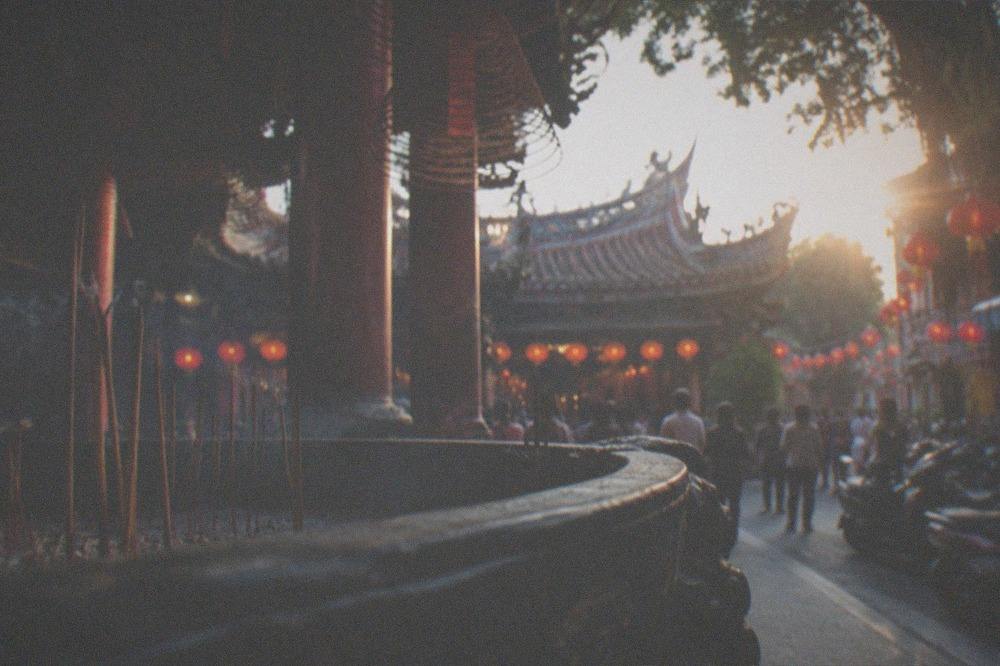
The Confucius Temple Cultural Festival in September is the other one, and it is the opposite in character: a ceremony-led observance at the city's scholarly temple, with rites, music and cultural programming rather than fireworks. It is also the month when temperatures are still high, 32.4C average maxima, but the summer rain has largely finished, so it is a comfortable festival to attend as an ordinary visitor.
| Month(s) | Festival |
|---|---|
| February | Yanshui Beehive Fireworks (Lantern Festival) |
| February to March | Yuejin Lantern Festival |
| March | Taiwan International Orchid Show |
| June to July | Taiwan Mango Season and Tainan International Mango Festival |
| July to August | Qigu Seafood Festival |
| September | Confucius Temple Cultural Festival |
| September to November | Guanziling Hot Spring and Food Festival |
Festival etiquette is its own layer on top of ordinary temple etiquette. At the Beehive Fireworks, stand where marshals indicate, keep distance from the palanquins and the rocket racks, and never touch a passing procession float. At the Confucius Temple's September rites, silence during the ceremony is the whole rule: the observance is solemn, seats are limited, and photographing the rites from a distance is the accepted form. At any pilgrimage, the general rule from earlier applies with extra force: the event belongs to the worshippers, and a visitor's job is to be unobtrusive.
How Do You Get to Tainan's Temples?
Most of Tainan's major temples sit in the compact west-central old quarter and are reached on foot from one another, while the biggest temple of all, Nankunshen Daitian Temple, is in Beimen on the coast and needs a bus or a day tour. Arriving from outside the city, the High Speed Rail station is at Shalun in Guiren District, well outside the old center, so every temple day starts with a transfer: the H31 HSR shuttle bus is free for HSR passengers on presentation of a ticket stub.
The shuttle detail is worth repeating because it is genuinely under-published. The H31 Tainan City Government Line express bus runs between the HSR station and the city, and the city's own bus site confirms that HSR passengers ride free on production of a ticket stub, with no card tap needed; other passengers pay NT$18 for one section or NT$36 for two, with the section break at the Chimei Museum. Once in the old city, city buses are free for the first 8 km with an electronic card, an iPASS or an EasyCard, provided the rider taps on and taps off; the cash fare for the same trip is NT$26. The scheme runs for the 2026 calendar year, so re-check it before relying on it.
For arrival logistics in full, the guides on Taiwan High Speed Rail, the Tainan HSR station and getting around Tainan cover fares, transfers and the free-bus rules in detail. The short version for a temple day: stay in or near the west-central district, where the Confucius Temple, the Grand Matsu Temple, the City God Temple and the Sacrificial Rites Martial Temple are all within a walkable cluster, and save the coastal pilgrimage temples for a separate day.
Common Questions About Temple Etiquette in Tainan
What is temple etiquette in Tainan?
Dress modestly with shoulders and knees covered, keep your voice low, give way to worshippers and processions, ask before photographing people or ceremonies, do not touch statues, altars or offerings, and follow the visible lead of local visitors. None of Tainan's major historic temples charges admission, and none requires visitors to perform any ritual.
Do you have to remove your shoes in Taiwanese temples?
Generally not at the entrance of Tainan's major temples; the city's own pages list no shoe rule at the Confucius Temple, the Grand Matsu Temple, the Five Concubines Temple or Kaiyuan Temple. If a side hall or a small neighborhood shrine has a shoe rack at the door, follow the local lead there.
Is there a dress code at the Tainan Confucius Temple?
There is no formal, enforced dress code. Modest dress, covering shoulders and knees, is the visible norm among visitors, and the site's expectations are covered in detail on this site's dress code page for the Confucius Temple. Entry is free and no ticket is listed by the city.
Can you take photos inside Tainan temples?
Photographing architecture is generally acceptable, but photographing worshippers without asking is not, and flash inside halls is poor form. During ceremonies and festival rites, keep a distance, stay silent and shoot from outside the ritual space. The safest rule: if a ceremony is in progress, the camera waits.
Are Tainan's temples free to enter?
Yes. The Tainan Confucius Temple, Grand Matsu Temple, Five Concubines Temple and Kaiyuan Temple all charge no admission, according to the Tainan City Government Tourism Bureau's own pages. The paid historic sites, Chihkan Tower and Anping Old Fort at NT$70 each at the gate, are former forts and administrative buildings rather than active temples.
When are Tainan's temples open?
Hours are generous: the Grand Matsu Temple and Kaiyuan Temple open at 06:00 daily, the Five Concubines Temple at 08:00, and the Confucius Temple runs 08:30 to 17:30 daily, closed only on Lunar New Year's Eve. Chihkan Tower, a paid historic site rather than a temple, stays open until 21:30 daily.
The last word is the simplest one. Tainan's temples have absorbed visitors for centuries, and the city that runs them publishes hours, prices and festival dates openly, which makes preparation easy. Dress modestly for the heat, arrive early or in the dry October-to-March window, check the lunar calendar around Lunar New Year, and let the worshippers set the pace inside. Do that, and every door in the old capital is open, most of them free of charge. More on the city's wider culture and logistics is throughout Tainan Travel Guide, from the temple trail itinerary to the night market schedule that rotates by day of the week.