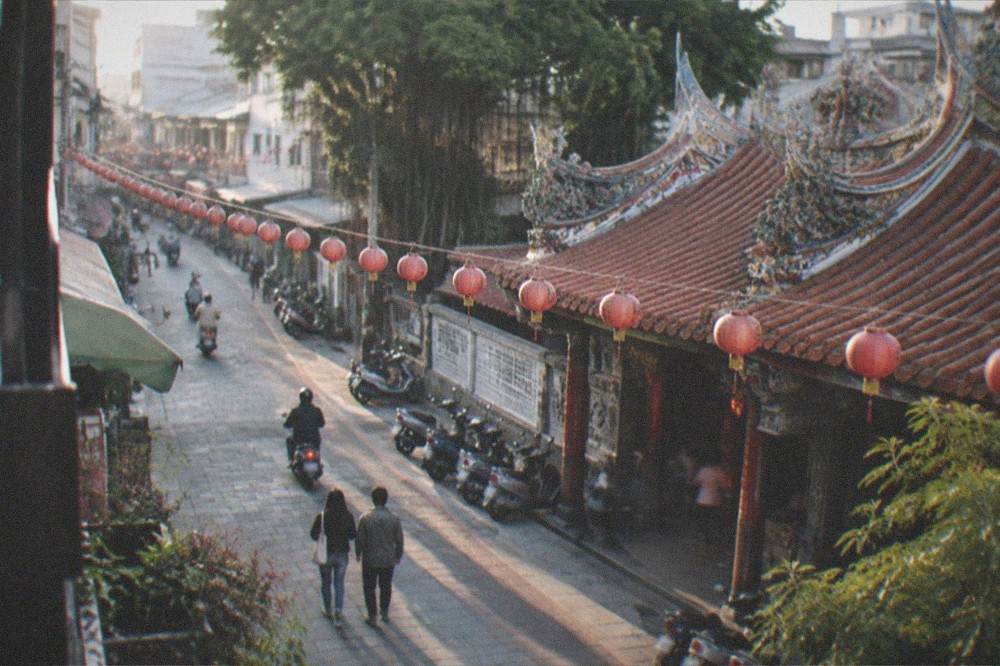
Yanshui Wu Temple
Yanshui Wu Temple sits in the old salt-trading town of Yanshui, the place the city's own festival calendar names for the Beehive Fireworks each February. This guide covers the temple, the festival, the trip out from Tainan, and what else the district offers.
Short answer
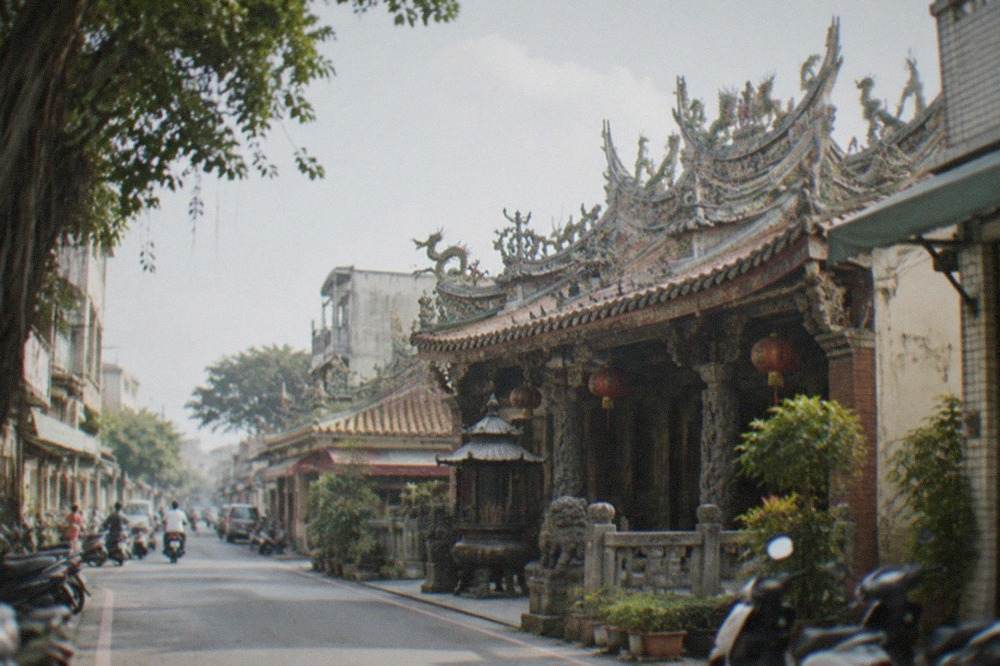
Yanshui Wu Temple is a historic temple in Yanshui District, north of Tainan's old city, best known for its connection to the Yanshui Beehive Fireworks held each February on the Lantern Festival. Entry to Tainan's temples is generally free, and Yanshui pairs well with the old street and the Yuejin Lantern Festival.
Yanshui Wu Temple
Yanshui is one of Taiwan's oldest towns, a former salt and trade port on the north side of what is now Tainan City, and its Wu Temple is the building most tied to the event that puts the district on the map: the Yanshui Beehive Fireworks. The Tainan City Government Tourism Bureau's own festival calendar places the Beehive Fireworks in February, tied to the Lantern Festival, and the town's population otherwise swells quietly around Yanshui Old Street, which recorded 998,388 visitors across 2023 in the Tourism Administration's dataset. This page covers the temple itself, the fireworks it is famous for, the journey out from Tainan, and how to fold Yanshui into a wider temple itinerary.
What Is Yanshui Wu Temple?
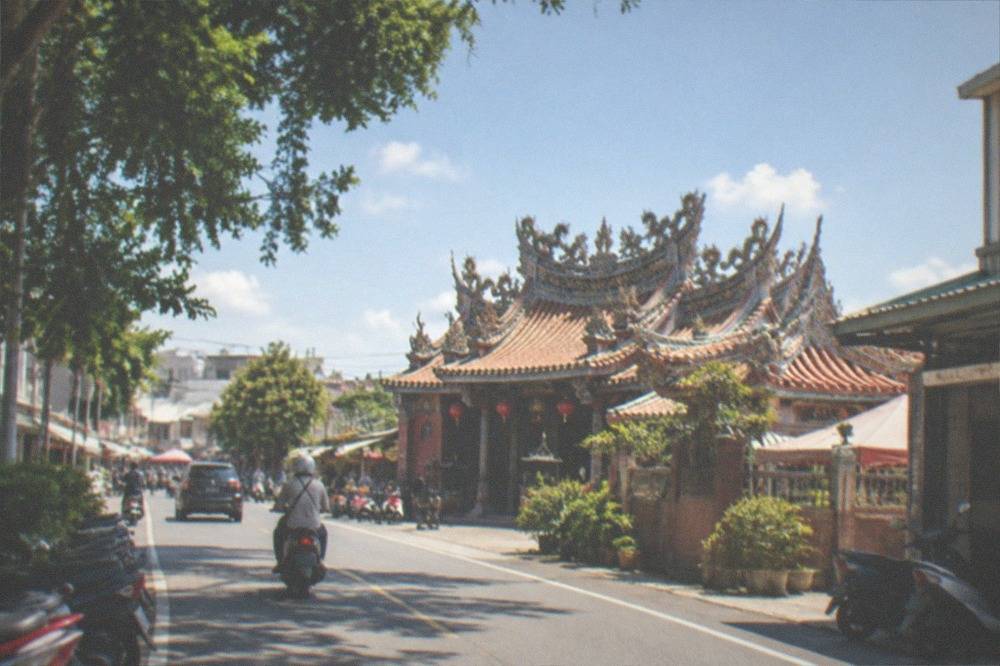
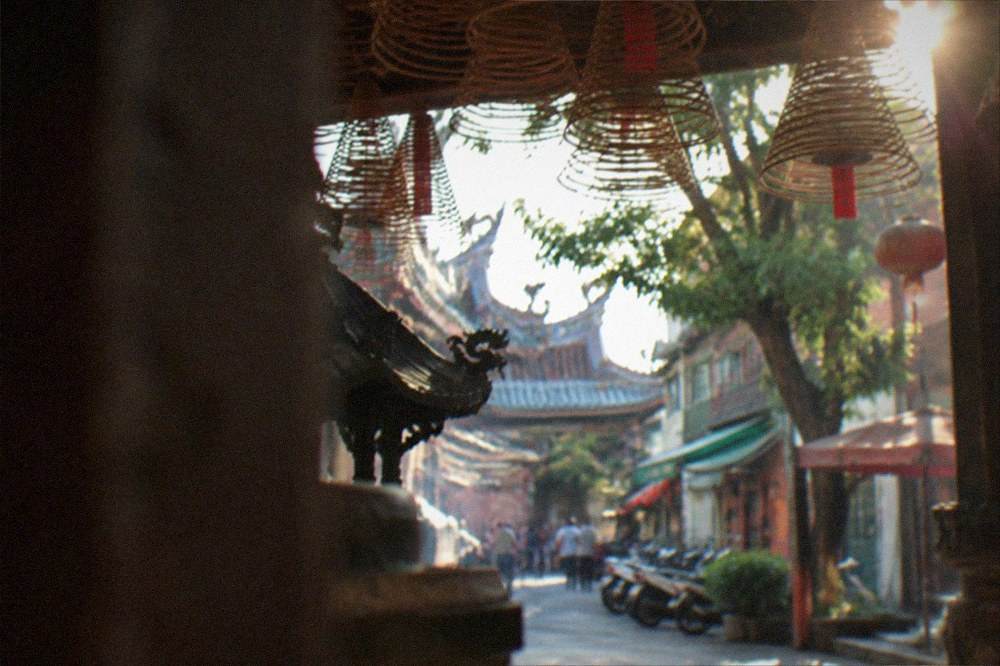
Yanshui Wu Temple is a historic temple in Yanshui District, in the north of Tainan City, dedicated to a martial deity and best known as the temple at the center of the Yanshui Beehive Fireworks, which the city's own festival calendar holds each February on the Lantern Festival. Like most of Tainan's temples it charges no admission, and it shares a small, walkable old street district with the Yuejin Harbor lantern displays.
The temple belongs to a family of martial-god temples across old Tainan. The city's temple trail also includes the Sacrificial Rites Martial Temple in the old city and the Tainan City God Temple, both of which sit within walking distance of Chihkan Tower. Yanshui Wu Temple is the district-level counterpart: smaller in scale, tied to a single town's calendar, and at its most crowded on the one night a year when the whole of Yanshui turns out.
What makes the temple genuinely distinctive is not the architecture alone but the event attached to it. The Beehive Fireworks are not a spectator show in the usual sense. The city's calendar lists the festival in February, and the Tourism Bureau's event descriptions frame it as a procession-and-fireworks rite that runs through the town's streets, with participants wearing protective clothing and helmets rather than watching from a barrier. Anyone planning to attend should read the dedicated Yanshui Beehive Fireworks guide before deciding how close to the action they want to be.
When Is the Yanshui Beehive Fireworks Held?
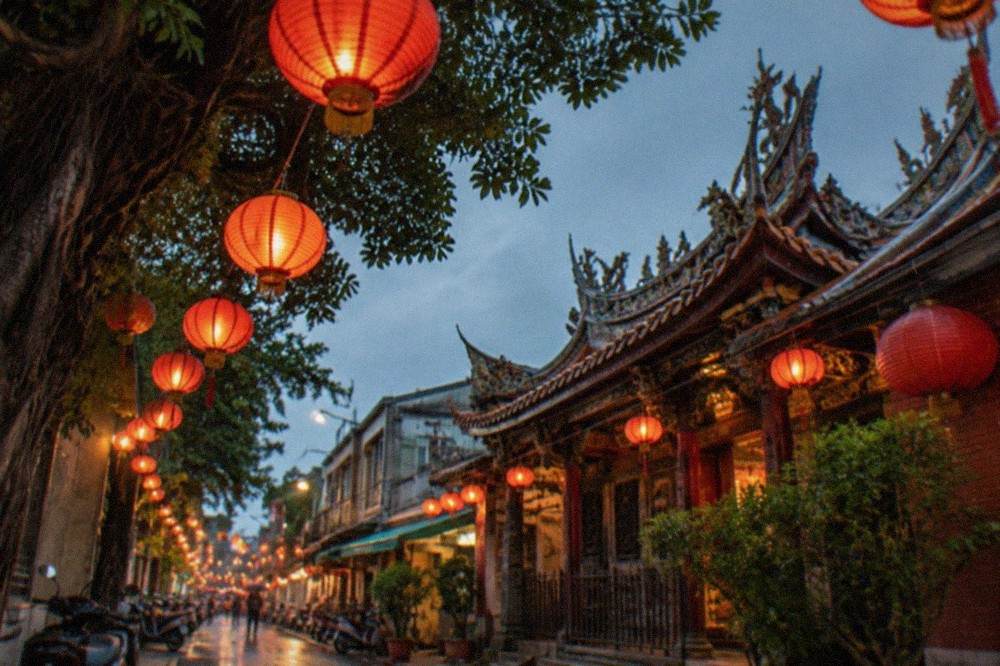
The Yanshui Beehive Fireworks are held in February, on the Lantern Festival, according to the Tainan City Government Tourism Bureau's own festival calendar. The exact Gregorian date shifts each year with the lunar calendar and is published by the city closer to the event, so no specific date should be assumed when booking travel. The neighboring Yuejin Lantern Festival runs February to March.
The city's festival calendar is the authoritative source for the month, and it lists the Beehive Fireworks alongside 21 other annual events, from the Taiwan International Orchid Show in March to the Guanziling Hot Spring and Food Festival from September to November. The calendar gives months, not dates, and that is deliberate: lunar-tied events like the fireworks only convert to Gregorian dates once the city announces them for the year in question.
The practical planning consequence is that February is both the most exciting and the most congested month to visit Yanshui. The same Tourism Administration dataset that counts Yanshui Old Street's 998,388 visitors in 2023 shows January as the street's peak month, which fits the wider Tainan pattern: the city's visitor numbers peak in January and February, driven by pilgrimage and Lunar New Year, not by summer holidays. Coming for the fireworks means accepting the crowd. Coming any other month means having the old street almost to yourself.
| Festival | When (per the city calendar) |
|---|---|
| Yanshui Beehive Fireworks | February, on the Lantern Festival |
| Yuejin Lantern Festival | February to March |
| Taiwan International Orchid Show | March |
| Tainan International Dragon Boat Championship | June |
| Mango season and Mango Festival | June to July |
| Qigu Seafood Festival | July to August |
| Confucius Temple Cultural Festival | September |
| Guanziling Hot Spring and Food Festival | September to November |
| Tainan Shopping Festival | November to February |
If the fireworks are the reason for the trip, book accommodation early: Yanshui is a small town and the one festival night fills it. If the fireworks are a reason to avoid the town, every other month of the year is calm, and the lantern installations of the Yuejin Lantern Festival, which the calendar places February to March, offer a quieter version of the same illuminated harbor.
How Do You Get to Yanshui from Tainan City?
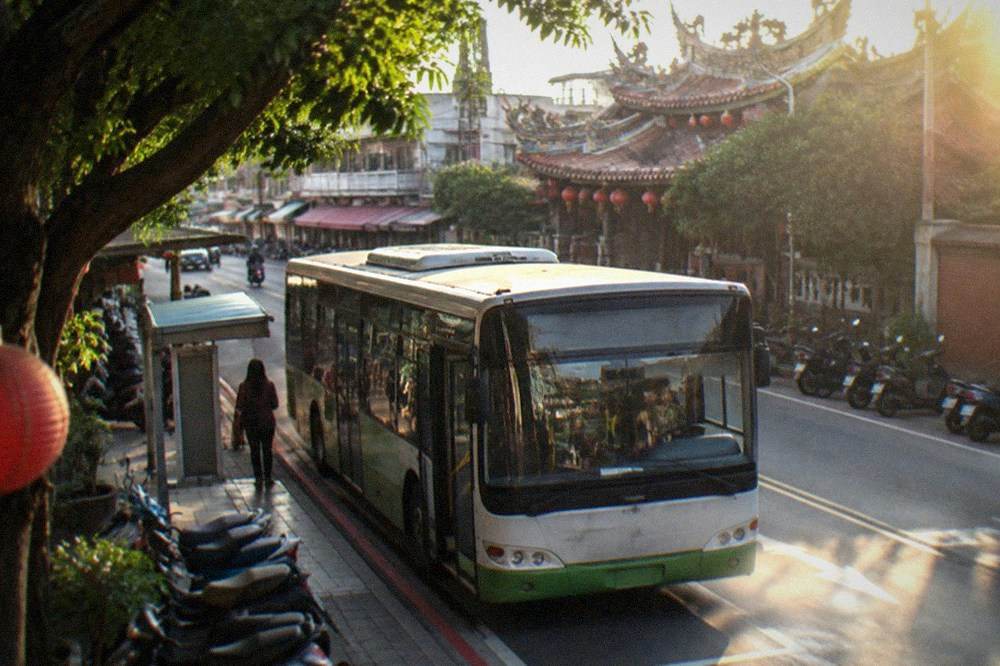
Yanshui sits north of Tainan's old city, and reaching it means either a city bus ride or a car, with no rail line into the town itself. City buses are free for the first 8 km with an electronic card under the city's 2026 fare policy, tap on and tap off, with the cash fare for the same trip at NT$26. High Speed Rail arrivals land at Shalun in Guiren District, outside the old city, and require a transfer to reach either Tainan center or Yanshui.
The bus fare policy is the detail worth knowing. The city's own bus ticketing page states that trunk and branch buses are free for the first 8 km of travel with a Citizen Card, iPASS, EasyCard or iCash 2.0, a discount worth NT$26 against the cash fare. The page also sets out the conditions visitors most often miss: you must tap on and tap off, the scheme covers the 2026 calendar year rather than being permanent, and tourist buses and the HSR express bus are excluded. A long ride out to Yanshui will exceed 8 km, so budget for a fare beyond the free segment.
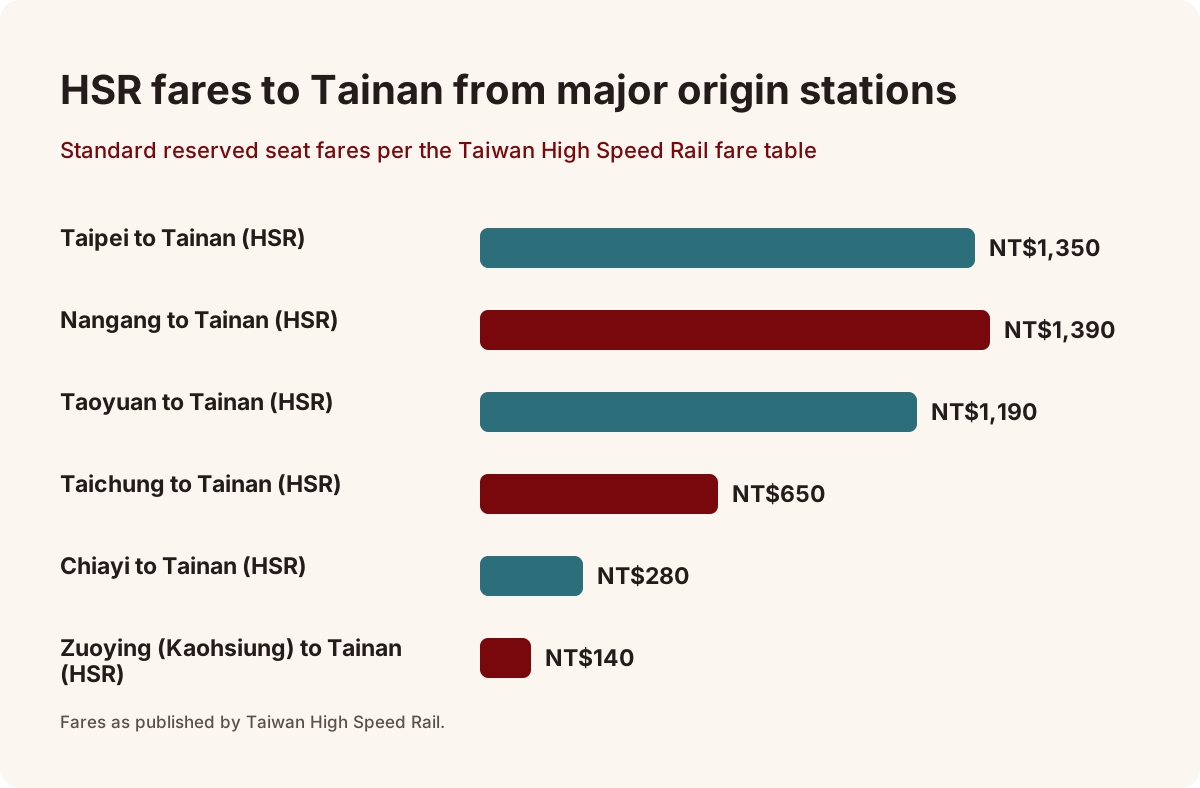
For anyone arriving by High Speed Rail, the fare table published by Taiwan High Speed Rail lists NT$1,350 for a reserved standard seat from Taipei to Tainan and NT$140 from Zuoying in Kaohsiung. The HSR station is at Shalun in Guiren District, not in Tainan's center, so the last leg always involves the Shalun rail connection or the H31 shuttle bus. The H31 is free for HSR passengers on production of a ticket stub, with other passengers paying NT$18 per section or NT$36 for two, and the section break falls at the Chimei Museum.
| Route | Standard reserved fare |
|---|---|
| Taipei to Tainan (HSR) | NT$1,350 |
| Nangang to Tainan (HSR) | NT$1,390 |
| Taoyuan to Tainan (HSR) | NT$1,190 |
| Taichung to Tainan (HSR) | NT$650 |
| Chiayi to Tainan (HSR) | NT$280 |
| Zuoying (Kaohsiung) to Tainan (HSR) | NT$140 |
Journey times are deliberately not quoted here: no official timing was verified for these routes, and the operators' own timetable tools are the right place to check them. What can be said firmly is the shape of the trip. From Tainan's old city, Yanshui is a straightforward district-level run. From the HSR station it is a two-stage journey, and from Kaohsiung it is a short HSR hop to the Tainan station area followed by the same district leg. The Yanshui area guide covers the district in more detail, and the Yanshui and Jingliao day trip is the natural way to package the visit if you would rather not work out the buses yourself.
What Else Is There to See in Yanshui?
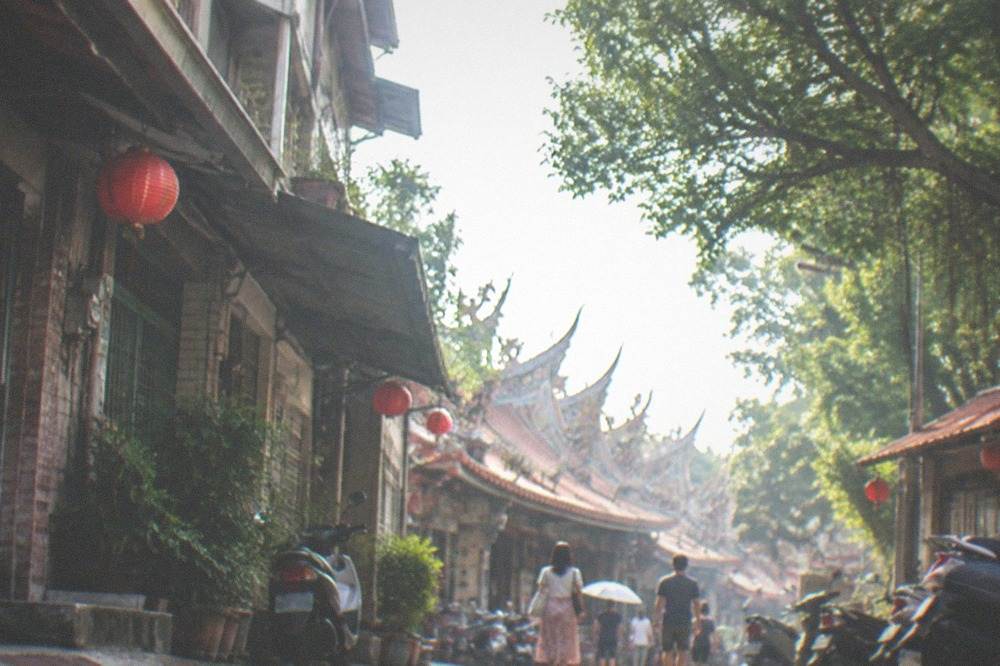
Yanshui Old Street is the district's main draw beside the temple, with 998,388 recorded visitors in 2023, and the Yuejin Harbor lantern installations run February to March. The district also pairs naturally with Jingliao Old Street to the east, and the whole outing works as a one-day loop from Tainan with a morning in Yanshui and an afternoon in the countryside.
The old street is the reason most visitors come outside festival season. The Tourism Administration's dataset puts Yanshui Old Street among Tainan's mid-sized draws, ahead of the Qigu Salt Industry Recreation Area's 690,750 and behind Xinhua Old Street's 1,668,283, with January its peak month and September its quietest. Those numbers come with the usual caveat: each site compiles and reports its own counts, methods differ between an open street and a ticketed museum, and the 2020 to 2022 years are COVID-depressed. The rest of the planning pages sit on Tainan Travel Guide.
A day in Yanshui does not need much scheduling. The temple, the old street and the harbor area are all within a compact walk, and the town's food stalls cluster along the same streets. The temple etiquette guide is worth a read before visiting any of Tainan's working temples, since Yanshui Wu Temple is an active place of worship rather than a museum piece. Modest dress and a quiet manner are the baseline everywhere on the temple trail.
For travelers who want the district without the logistics, a guided day tour solves the transport question in one booking. The options below include a full-day guided tour of the coast and countryside and an evening walk back in Tainan itself for the night-market half of the day.
What Is the Best Time of Year to Visit Yanshui?
October to March is the comfortable half of the year in Tainan, with December bringing just 16 mm of rain across three wet days against August's 466 mm across sixteen, according to the Central Weather Administration's 1991 to 2020 climate normals. February is the festival month and the busiest, while late autumn combines dry weather, warm days and thin crowds outside the city center.
The climate table is the single best planning tool for any Tainan trip, and it explains why the city's visitor numbers peak in winter. Nearly three-quarters of the annual 1,761 mm of rain falls between May and September. October is the driest month by wet days, 2.8, while still averaging 30.8C maxima. Anyone whose image of Taiwan is a humid summer swamp has the calendar backwards: the dry season is the good season.
| Month | Mean max (C) | Rain (mm) | Wet days |
|---|---|---|---|
| January | 23.0 | 20.7 | 3.8 |
| February | 24.0 | 21.6 | 4.1 |
| March | 26.6 | 30.4 | 4.2 |
| April | 29.3 | 69.8 | 5.9 |
| May | 31.4 | 165.6 | 9.0 |
| June | 32.4 | 370.5 | 12.1 |
| July | 33.0 | 374.6 | 13.0 |
| August | 32.6 | 466.1 | 15.8 |
| September | 32.4 | 170.5 | 8.5 |
| October | 30.8 | 30.8 | 2.8 |
| November | 28.1 | 23.8 | 2.4 |
| December | 24.4 | 16.2 | 3.0 |
Typhoon risk concentrates in the late summer months, and the rainfall table shows the same shape independently: June through August are the wet months, and a September trip can still catch the tail of the season. The trade-off is real, though. Come in February for the fireworks and you get the festival and the crowds. Come in November and you get dry, warm, quiet streets, with the Guanziling Hot Spring and Food Festival running September to November as a nearby reason to head inland.
How Does Yanshui Wu Temple Fit a Tainan Temple Trail?
Yanshui Wu Temple slots in as the district stop on a temple trail that otherwise runs through Tainan's old city, where the Confucius Temple, Grand Matsu Temple, Five Concubines Temple and Kaiyuan Temple are all free to enter. A realistic trail spends one day in the old city and gives Yanshui a second day, or pairs Yanshui with Jingliao for a single countryside loop.
The old city's temple core is genuinely free. The city's own pages list the Tainan Confucius Temple with no ticket at all, open 08:30 to 17:30 daily and closed only on Lunar New Year's Eve, and the Grand Matsu Temple free and open 06:00 to 21:00. Five Concubines Temple (08:00 to 17:00) and Kaiyuan Temple (06:00 to 17:00) cost nothing either. The Tainan Confucius Temple page covers the "first academy of Taiwan" and its grounds, and the temple trail itinerary strings the whole set together with walking times and lunch stops.
| Temple | Entry | Hours | Closed |
|---|---|---|---|
| Tainan Confucius Temple | Free | 08:30 to 17:30 | Lunar New Year's Eve |
| Grand Matsu Temple | Free | 06:00 to 21:00 | None listed |
| Five Concubines Temple | Free | 08:00 to 17:00 | None listed |
| Kaiyuan Temple | Free | 06:00 to 17:00 | None listed |
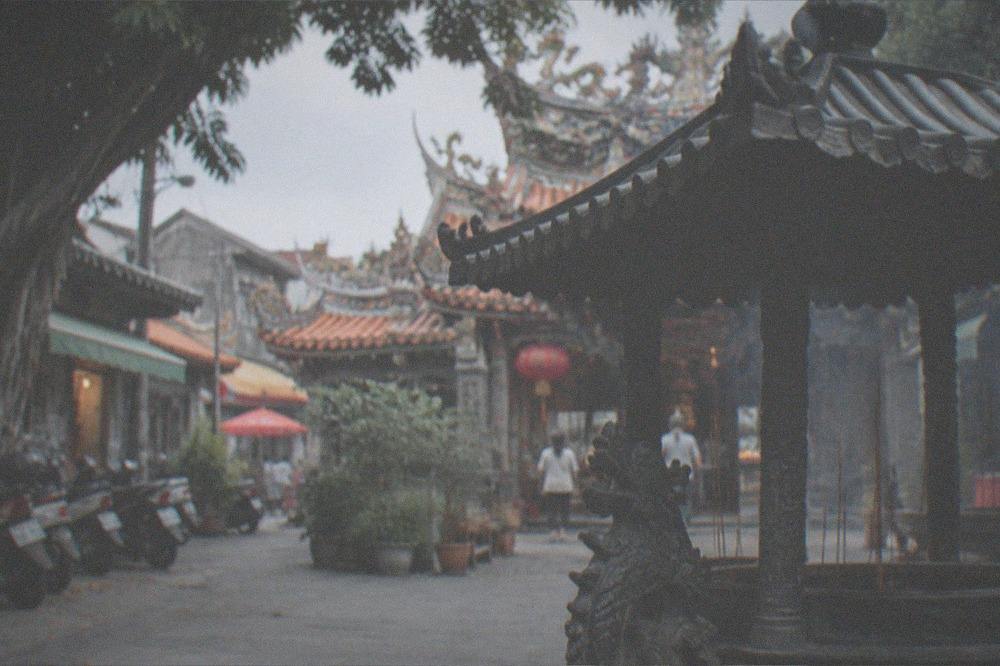
Yanshui Wu Temple adds something the old city temples cannot: a festival with a national reputation. The Beehive Fireworks draw visitors from across Taiwan in a way the old city's quiet courtyards never need to, and that makes the temple a different kind of stop depending on the month. In February it is the center of a pilgrimage. The rest of the year it is a peaceful district temple a short walk from an old street.
A cultural detour fits naturally on the trail. A tea ceremony is a structured hour and a half, and the operator's listing describes an oolong-focused session that works as a rest stop between temple visits. The Wu Garden page covers another old-city stop if you want to extend the trail's range, and the dress code question at the Confucius Temple is answered in its own page for anyone unsure what modest means in practice.
Should You Book Anything for a Yanshui Trip?
Most of a Yanshui visit costs nothing at the gate: the temple is free, the old street is free, and the lantern displays are public. The only bookings worth making are transport-driven, a guided day tour that handles the district buses, and a site ticket if you extend the day to Anping, where the Tree House charges NT$70 at the gate.
The honest arithmetic is that Yanshui is a low-cost day. The bus fare is the main variable, and the free-first-8-km policy absorbs the early part of it. What a guided tour buys is not access but logistics: the district is not on a rail line, and a tour removes the timetable question entirely. For travelers starting in Kaohsiung, private day trips to Tainan's highlights exist in the roster, and the evening can end back in the old city with a walking tour rather than another bus.
If Anping joins the itinerary, the Anping Tree House and Anping Old Fort each charge NT$70 at the gate, with concessions at half price and Tainan residents entering free with ID. A visitor is not a resident, so plan on paying. The Tree House ticket above bundles the admission so the gate queue is shorter, which matters more on a festival weekend when half of Taiwan has the same idea.
Common Questions About Yanshui Wu Temple
Is Yanshui Wu Temple free to enter?
Tainan's temples generally charge no admission, and the city's own pages list no ticket for any of the major old-city temples. Treat entry as free but confirm locally, since the on-site notice always governs.
When is the Yanshui Beehive Fireworks held?
The Tainan City Government Tourism Bureau's festival calendar places the Beehive Fireworks in February, on the Lantern Festival. The exact Gregorian date shifts with the lunar calendar and is announced by the city each year, so check the calendar before booking.
How do I get to Yanshui from Tainan?
By city bus or car; the town has no rail line. City buses are free for the first 8 km with an electronic card under the 2026 fare policy, with the cash fare at NT$26 for the same trip, and you must tap off as well as on.
What else is there to do in Yanshui?
Yanshui Old Street, which recorded 998,388 visitors in 2023, and the Yuejin Lantern Festival installations, which the city calendar places February to March. Jingliao Old Street to the east pairs well for a full-day loop.
What should I wear at the temple?
Modest clothing and a quiet manner, as at any working temple. The site's temple etiquette guide covers the baseline, and the fireworks night has its own requirements, including protective clothing and a helmet if you join the procession.
Is February a good time to visit Yanshui?
It is the festival month and the most crowded, but the weather cooperates: February averages 24.0C maxima with only 21.6 mm of rain across the month, per the Central Weather Administration's 1991 to 2020 normals.
Yanshui Wu Temple rewards two very different trips. In February it is the fixed point of one of Taiwan's most intense festival nights, and every practical detail, from the lunar date to the protective gear, needs checking against the city's own announcements. In any other month it is a calm district temple on a walkable old street, an hour or so from Tainan's center, best paired with Jingliao or the harbor lanterns and reached on a bus whose first 8 km cost nothing. Plan around the calendar, check the city's pages before you go, and the district delivers either way.