Tainan Solo
Tainan is one of the easiest cities in Taiwan to travel alone: compact, cheap to eat in, and built from temples and old streets that ask nothing of you but time.
Short answer
Yes, Tainan works well for solo travelers. The old core is walkable, city buses are free for the first 8 km with an electronic card, street food is sold in single portions by design, and the city's peak season, January and February, is its driest. The one planning fact that matters most is that the night markets rotate by day of the week.
Tainan Solo
Tainan is a city that suits people traveling on their own. The historic core is compact enough that most of it can be covered on foot, the food culture is built around single-serving portions eaten standing up or at tiny counters, and the city's own visitor data shows a rhythm, peaking in January and February around temple pilgrimage and Lunar New Year, that a solo planner can work around rather than be surprised by. This guide covers the parts that matter when there is nobody else to split the decisions with: how to arrive, how to move, where to sleep, how to eat, and what the city costs.
Is Tainan Good for Solo Travelers?
Yes. Tainan is one of the easier cities in Taiwan to travel alone in. The old core between Chihkan Tower and the Confucius Temple is walkable end to end, street food is sold in single portions by design, city buses are free for the first 8 km with an electronic card, and the city's dry season, October to March, coincides with its most comfortable walking weather. The main thing a solo planner must schedule around is the night market rotation.
The practical case for solo Tainan starts with scale. The Dutch-era and Qing-era sites that draw most visitors, Chihkan Tower, the Anping district, the Confucius Temple and the Grand Matsu Temple, cluster in and around West Central District, and the city's own tourism pages list their hours and admission in ways that make a one-person itinerary easy to sequence. Chihkan Tower is open 08:30 to 21:30 daily, which the Tainan City Government Tourism Bureau's page for the site confirms, and that late closing makes it one of the few historic sites in the city a traveler can see after dinner, useful when a day runs long.
The food culture is arguably even better suited to one person than to a group. Danzai noodles, coffin bread and beef soup are single-dish, single-serving foods. A solo eater can do six stalls in one evening without waste or negotiation, which is exactly how the Tainan street food scene is structured. Nothing about the city's eating assumes a table of four.
The honest caveats: English is not universal outside the main tourist zones, the city's weather turns brutally hot and wet from May to September, and the High Speed Rail station is not in the city center, so every arrival involves a transfer. None of these are solo-specific problems, but they are the ones with nobody else to help solve them.
How Do You Get to Tainan Alone?
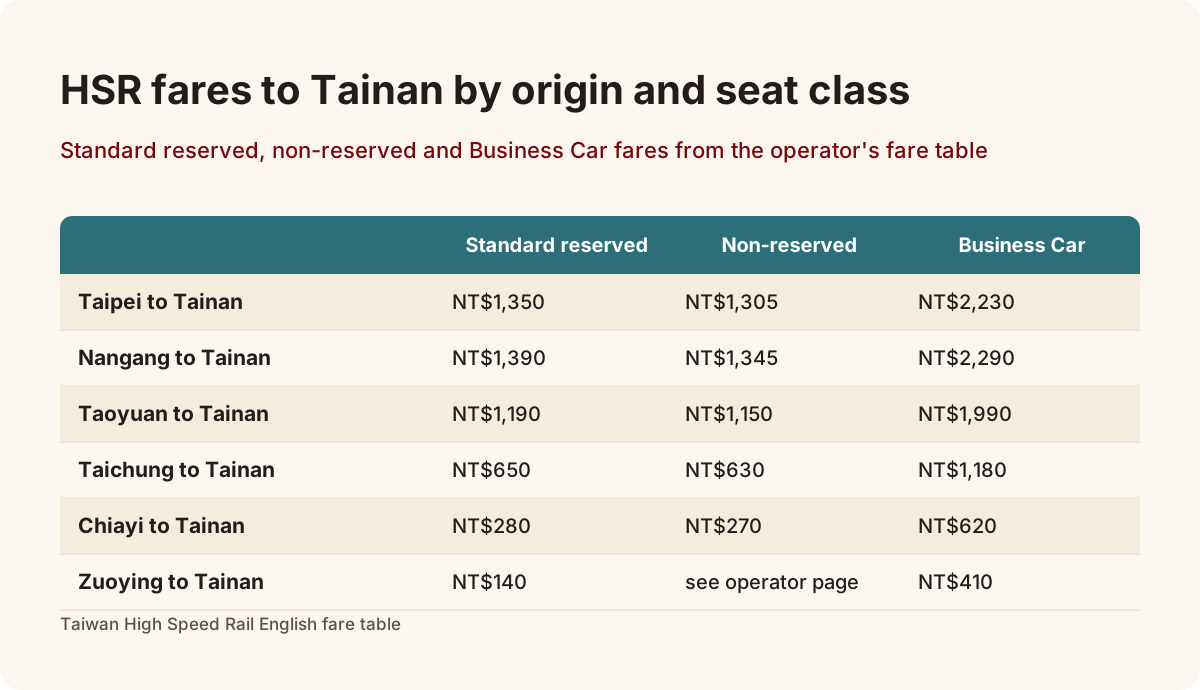
Most solo visitors arrive by High Speed Rail. Taipei to Tainan costs NT$1,350 for a reserved standard seat and NT$1,305 non-reserved, per the operator's own fare table; from Zuoying in Kaohsiung it is NT$140. The catch is that Tainan HSR station sits at Shalun in Guiren District, outside the old city, so the last leg is a shuttle bus or a Taiwan Railway connection.
The fare figures come from Taiwan High Speed Rail's own English fare table, which lists a full grid of Standard Car and Business Car prices. Reading it matters: the upper-right triangle of the grid is Business Car, and a careless read returns NT$2,230 for Taipei to Tainan instead of the correct NT$1,350 standard fare, an overstatement of 65 percent. Other standard fares from the same table: Nangang NT$1,390, Taoyuan NT$1,190, Taichung NT$650, Chiayi NT$280. Details on connections are in the Taiwan High Speed Rail guide, and the Taipei run specifically is covered in Taipei to Tainan.
The station location is the fact most first-time visitors miss. Tainan HSR station is at Shalun, in Guiren District, well outside the old city, and reaching the center means a transfer. The good news is a verified one: the H31 Tainan City Government Line express bus is free for HSR passengers on production of a ticket stub, no card tap needed, according to the city's own bus fare page. Other passengers pay NT$18 for one section or NT$36 for two, with the section break at the Chimei Museum, which means the museum sits on the shuttle route. The Tainan HSR station guide covers the transfer options in full.
Arriving from Kaohsiung is the cheapest run on the network: NT$140 standard from Zuoying, laid out in Kaohsiung to Tainan. Tainan Airport exists and is small, mostly domestic, with limited short-haul international service; most international visitors still land at Taoyuan or Kaohsiung and continue by rail, as the Tainan airport guide explains.
| Route | Standard Car, reserved | Non-reserved | Business Car |
|---|---|---|---|
| Taipei to Tainan | NT$1,350 | NT$1,305 | NT$2,230 |
| Nangang to Tainan | NT$1,390 | NT$1,345 | NT$2,290 |
| Taoyuan to Tainan | NT$1,190 | NT$1,150 | NT$1,990 |
| Taichung to Tainan | NT$650 | NT$630 | NT$1,180 |
| Chiayi to Tainan | NT$280 | NT$270 | NT$620 |
| Zuoying to Tainan | NT$140 | see operator page | NT$410 |
How Do You Get Around Tainan Without a Car?
City buses are free for the first 8 km with an electronic card, and that covers most trips a solo traveler makes. The city's bus fare page states that trunk and branch routes waive the first 8 km, a NT$26 discount, for holders of a Citizen Card, iPASS, EasyCard or iCash 2.0. You must tap on and tap off; tap off is the step visitors miss. The cash fare for the same trip is NT$26.
The scheme runs for the 2026 calendar year, so treat it as a current policy rather than a permanent one. The conditions matter more than the headline: the free distance applies to the trunk and branch network, the green, blue, brown, orange, yellow and red routes, and tourist buses and the HSR express are excluded. An EasyCard or iPASS also unlocks a transfer discount, NT$9 off a city bus when you transfer from Taiwan Railway within two hours, though inserting a public bike ride in between voids it. The getting around Tainan guide goes deeper on this.
For a solo traveler this is close to ideal. Buy one card, keep it topped up, and the cheapest mode in the city is also the one that requires the least negotiation. The EasyCard in Tainan page covers where the card works, including the Tainan Art Museum ticket desk, and where it does not: there is no basis for claiming it works on the High Speed Rail.
Scooter rental deserves a specific warning. An International Driving Permit is not automatically sufficient in Taiwan; the Directorate General of Highways' own Motor Vehicles Office page frames the IDP as something to register, and rental shops may refuse without that registration. Do not plan a scooter day on the assumption that an IDP alone is enough, and read the official page before committing. Taxis have no published fare schedule the city puts out, so agree the fare or use the meter.
Where Should a Solo Traveler Stay in Tainan?
West Central District is the default answer, because it puts Chihkan Tower, the Confucius Temple and the food streets within walking distance of each other, and solo travelers benefit most from walkability. Anping is the alternative, quieter and near the old fort and tree house, but it spreads its sights out more. Mid-range accommodation is the bulk of the market.
The logic is simple: when you travel alone, every taxi ride and every bus wait is time spent without company, so the district that minimizes them wins. West Central District puts the densest cluster of temples, historic gates and food streets, from Chihkan Tower to the Grand Matsu Temple, inside a walkable rectangle. The where to stay in Tainan guide compares the districts properly, and the Tainan hotels page covers the property types.
Anping trades density for atmosphere. The district's own visitor numbers make the case: the Tourism Administration's dataset records 4,441,443 visitors to Anping district in 2023, roughly ten times Chihkan Tower's 443,622, and that is because the district bundles the old fort, the tree house, the old street and the canal into one spread-out area. A solo traveler staying there should expect short bus hops between clusters.
One budget note: hotel rates are not something any official source publishes, so treat any number you see on a booking site as a live price, not a fact about the city. What is verifiable is that the city's cost structure favors the solo traveler elsewhere, transport and food, which is where the savings compound.
How Does Eating Alone Work in Tainan?
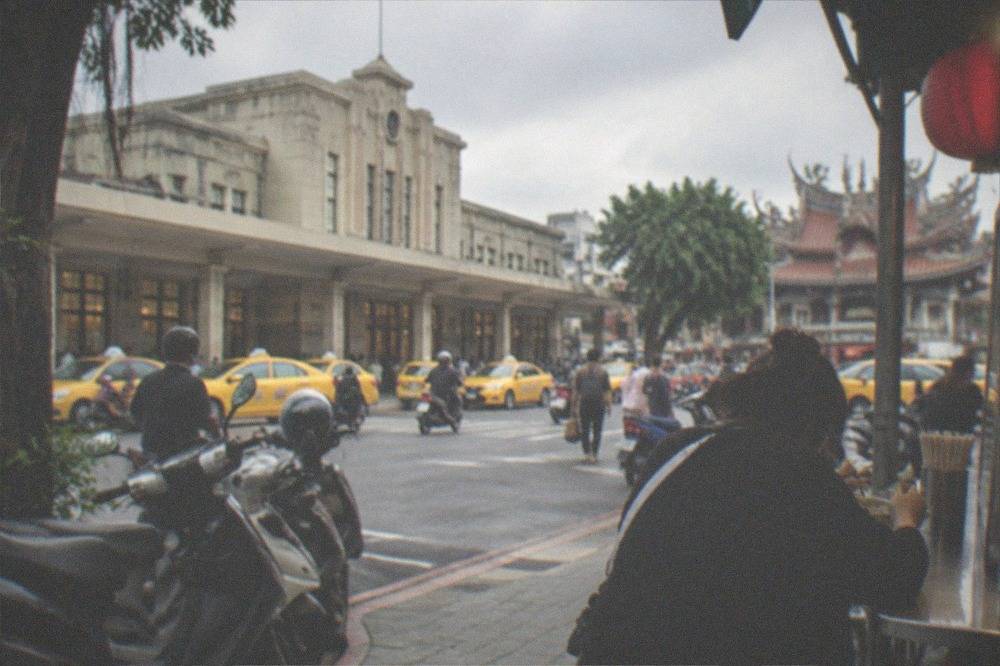
Eating alone in Tainan is not a compromise, it is the native format. The city's signature dishes, danzai noodles, coffin bread, beef soup and milkfish soup, are single-serving foods sold at counters and stalls, and no official price list exists for any of them, so costs are qualitative: Tainan is the cheapest of Taiwan's big cities to eat in. Cash is still essential at night markets and small stalls.
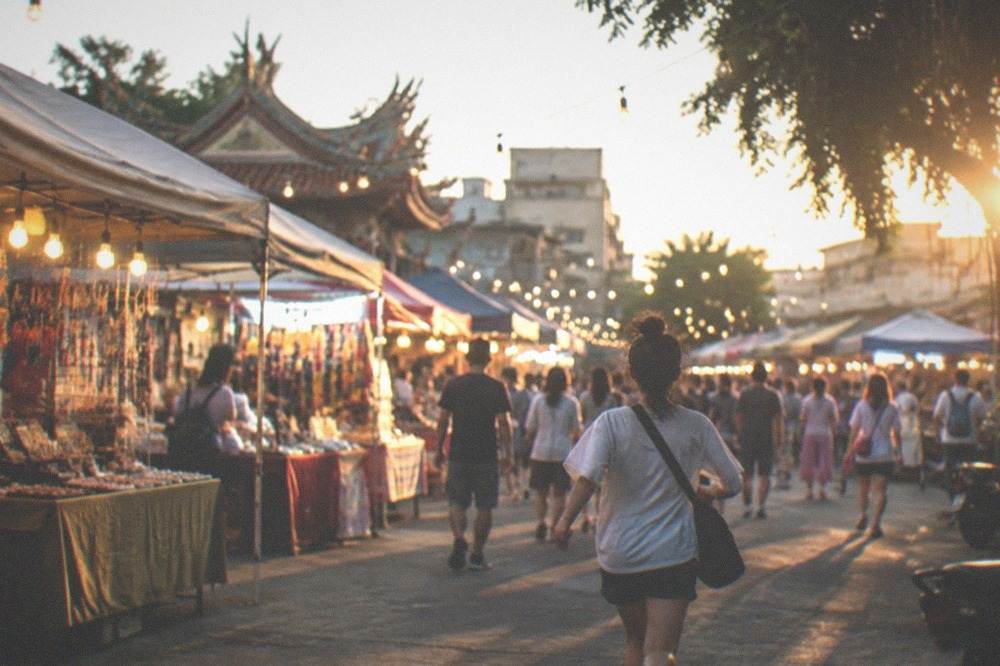
Start with the night markets, because their schedule is the single most useful practical fact on this site. They rotate by day of the week, verified market by market from the Tourism Bureau's own pages. Garden Night Market runs Thursday to Sunday, Wusheng runs Wednesday, Friday and Saturday, Dadong runs Monday, Tuesday and Friday, and Siaobei is indoors and open every day. Friday is the only night all three big outdoor markets run; Wednesday is the thinnest, with Wusheng alone. Always check before you go, because the city updates these pages and the days do change. The full breakdown is in the Tainan night markets guide.
| Day | Big markets open |
|---|---|
| Monday | Dadong (Siaobei indoor, every day) |
| Tuesday | Dadong |
| Wednesday | Wusheng |
| Thursday | Garden |
| Friday | Dadong, Wusheng and Garden all open |
| Saturday | Wusheng, Garden |
| Sunday | Garden |
For a solo traveler the rotation is a feature. A market at a loose table is an easy place to be one person, and the signature dishes are built for it. Danzai noodles are a single bowl with a prawn on top; coffin bread is a hollowed, fried loaf filled with a creamy stew, one portion; beef soup is served in individual bowls from fresh-cut meat, often as a breakfast. The Tainan food guide maps the dishes to the streets that sell them.
Payment is the practical catch. Cards work at hotels, department stores and convenience stores; cash remains essential or preferred at night markets, street stalls, small eateries and temples. A solo traveler should assume evening food runs are cash-only and use convenience-store ATMs, which are reliable and everywhere.
Is Tainan Safe for Someone Traveling Alone?
Tainan is a low-risk city by the standards that matter to solo travelers: it is a special municipality of Taiwan with a dense, active street life into the night, a subtropical city where violent crime against visitors is rare, and a place where the main realistic hazards are weather and traffic, not people. The Central Weather Administration's normals show why timing matters: August averages 466 mm of rain across 16 wet days, December 16 mm across 3.
No official crime statistic for Tainan is in the verified record, so this guide does not quote one. What the record does support is hazard-by-hazard planning. Typhoon risk concentrates in the late summer months, and typhoon days are declared by the city government, not nationally; the Tainan Art Museum's own hours page states it closes when the city announces a work suspension for a typhoon or earthquake, a concrete verified example of how the whole city behaves on those days. The typhoon season guide covers the mechanics.
The climate table is the planning tool. Rain is almost entirely a summer event: nearly three-quarters of the annual 1,761 mm falls between May and September, while October averages fewer wet days than any other month, 2.8, while still averaging 30.8C maxima. October to March is the dry, comfortable half of the year, which is also why the best time to visit Tainan lands there.
| Month | Mean max C | Rain mm | Wet days |
|---|---|---|---|
| January | 23.0 | 20.7 | 3.8 |
| April | 29.3 | 69.8 | 5.9 |
| July | 33.0 | 374.6 | 13.0 |
| August | 32.6 | 466.1 | 15.8 |
| October | 30.8 | 30.8 | 2.8 |
| December | 24.4 | 16.2 | 3.0 |
On tap water, the honest line: bottled and filtered water are everywhere, convenience stores are on every corner, and most locals boil or filter rather than drink from the tap, so plan on bottled water. On language, tourist areas carry bilingual signage under city initiatives, but it is not universal in older and smaller spots; the English in Tainan page sets expectations. Neither issue is solo-specific, but both are easier with a companion and manageable without one.
What Can a Solo Traveler Do in Tainan for Free?
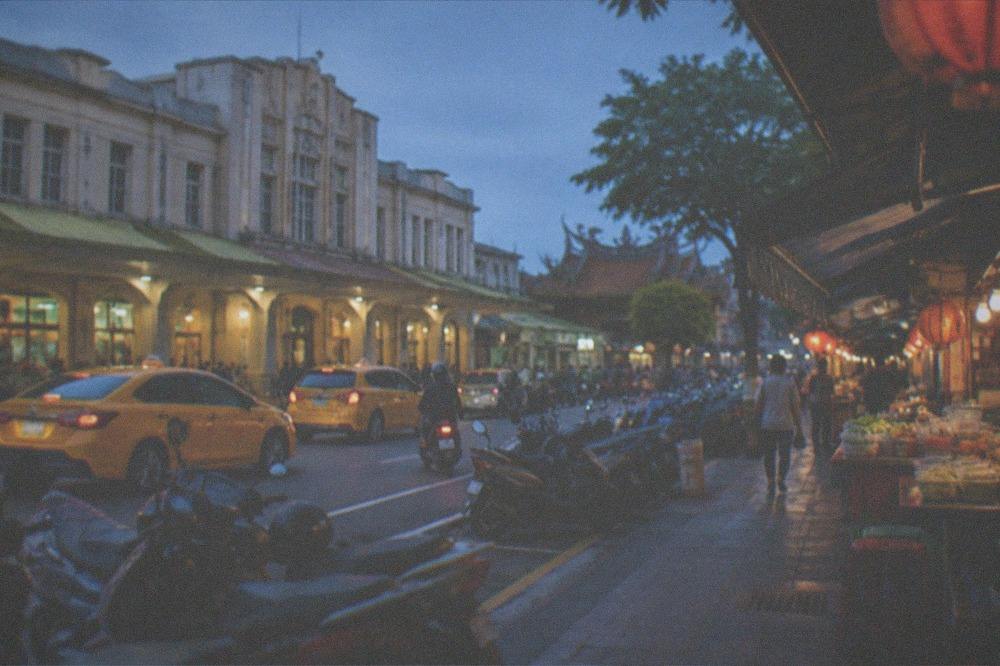
A lot of the city costs nothing. The Tainan Confucius Temple, the Grand Matsu Temple, the Five Concubines Temple and Kaiyuan Temple all list free entry on the city's own tourism pages, and the old streets, the canal and the temple courtyards are public space. The paid Dutch-era sites are NT$70 at the gate, with half-price concessions, and Tainan residents enter free with ID, a benefit that does not extend to visitors.
The free list is verified from the Tourism Bureau's attraction pages. The Confucius Temple is open 08:30 to 17:30 and closed only on Lunar New Year's Eve; the Grand Matsu Temple runs 06:00 to 21:00 daily; the Five Concubines Temple 08:00 to 17:00; Kaiyuan Temple 06:00 to 17:00. Between them and the free old streets, a solo traveler can fill two days without a ticket, and the free things to do in Tainan page lists the full set.
The paid tier is modest and flat. Chihkan Tower, Anping Old Fort, the Anping Tree House and the Eternal Golden Castle are each NT$70 at the gate, per the city's pages, with the standing caveat the city itself attaches: prices are for reference and the on-site notice governs. Qigu Salt Mountain charges a NT$50 cleaning fee per person on foot, NT$100 per car. The Sicao Green Tunnel boats cost NT$200, and both routes, the Green Tunnel and the longer Taijiang route, cost the same, so never let anyone tell you one is cheaper.
One structural fact worth knowing: the city's biggest draws by visitor count are not the forts at all. The Tourism Administration's 2023 dataset puts Nankunshen Daitian Temple at 6,583,100 visitors against Chihkan Tower's 443,622, and the peak months citywide are January and February, driven by pilgrimage and Lunar New Year. A solo traveler visiting in that window shares the temples with crowds but the weather with the best the city offers. Carry the dataset's caveat: counts are compiled by each operator and methods differ between a ticketed museum and an open old street.
How Does a Solo Traveler Structure Days in Tainan?
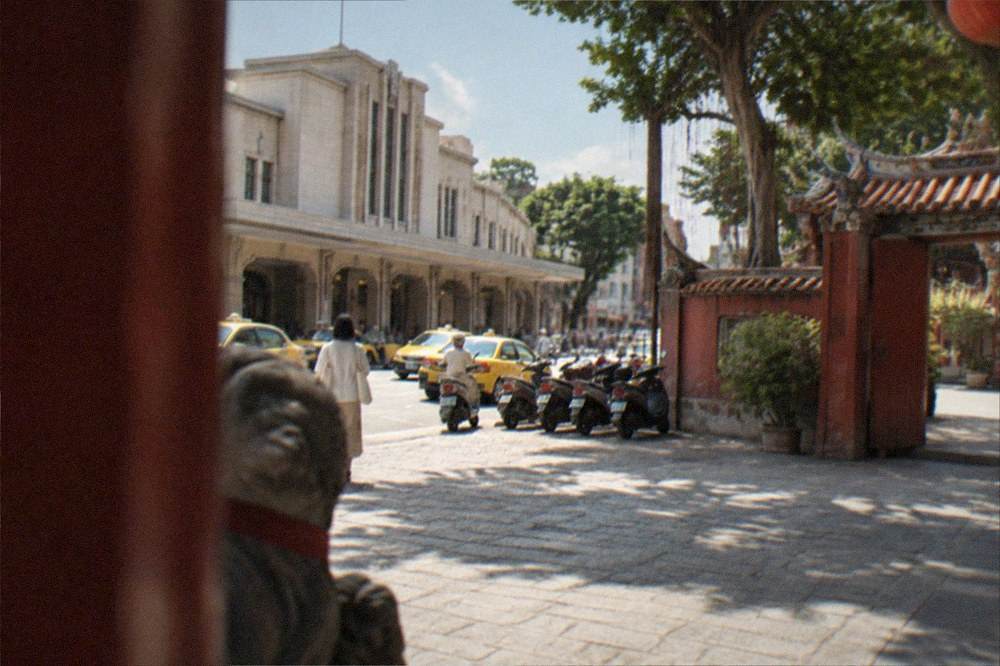
A sensible solo structure is one district per day: West Central District for the temples and Chihkan Tower, Anping for the fort, tree house and old street, and a coastal day for Sicao and Qigu. Chihkan Tower's 21:30 closing lets you shift sightseeing to the evening, and the night market rotation tells you which district to end each day in.
The sequencing logic is about minimizing solo dead time. The city's history is concentrated: the Dutch built Fort Zeelandia at Anping from 1624, completed in 1634, and Fort Provintia at what is now Chihkan Tower in the early 1650s; Koxinga took the Dutch fort in 1662. Those two clusters, plus the Qing and Japanese layers on top, are the spine of the attractions overview.
A three-day solo outline that uses the verified hours:
| Day | Morning | Afternoon | Evening |
|---|---|---|---|
| 1 | Confucius Temple and surrounding temples | Chihkan Tower and the old streets | Night market per the day-of-week table |
| 2 | Anping Old Fort and the tree house | Anping old street and the canal | Chihkan Tower, open to 21:30 |
| 3 | Sicao Green Tunnel boats | Qigu Salt Mountain | Siaobei Night Market, indoor and daily |
The evening rows are where solo travel in Tainan is genuinely easy. Night markets are crowded, low-commitment and built for grazing; Chihkan Tower after dinner is a quiet, lit historic site; Siaobei is the wet-weather and wrong-night answer because it is indoors and open every day. If a festival falls in your window, the Yanshui Beehive Fireworks in February and the Yuejin Lantern Festival from February to March are the headline events, months only, with the city calendar carrying the current year's dates.
For a solo traveler who wants a day handled end to end, a full-day guided tour is the one booking on this page that solves a real problem: it compresses the historic core into one organized run with a guide who can answer the questions a companion otherwise would.
Common Questions About Solo Travel in Tainan
These are the questions solo planners ask most, answered from the verified record: safety, budget, timing, transport and whether one person can do the city justice. Each answer carries only figures the official sources support.
Is Tainan safe for solo travelers?
The realistic hazards are weather and traffic, not crime. Typhoon risk concentrates in the late summer months, and typhoon days are declared by the city government; the Tainan Art Museum's own hours page confirms it closes when the city announces a work suspension. Plan around the rainfall table and the rest of the city is ordinary urban common sense.
How many days does a solo traveler need in Tainan?
Three days covers the standard solo structure: one for West Central District's temples and Chihkan Tower, one for Anping, one for the Sicao and Qigu coast. Two days works if the coast is dropped. The night market rotation means the day of the week you arrive determines which markets you can see.
Do I need cash in Tainan?
Yes, for evenings especially. Cards work at hotels, department stores, chain restaurants and convenience stores, but night markets, street stalls, small eateries and temples remain cash-first or cash-only. Convenience-store ATMs are reliable and on every corner.
Can I get by in Tainan without speaking Chinese?
In the main tourist zones, increasingly yes: the city runs bilingual signage programs covering key markets, buses and public facilities. Outside those zones it is not universal. Pointing, photos and a translation app cover most food stalls, and the dishes themselves are displayed rather than described.
Is the bus really free in Tainan?
For the first 8 km on trunk and branch routes, yes, with a Citizen Card, iPASS, EasyCard or iCash 2.0, and you must tap on and tap off. The cash fare for the same trip is NT$26. The scheme runs for the 2026 calendar year, so re-check it before relying on it.
What is the biggest mistake solo travelers make in Tainan?
Assuming the High Speed Rail station is in the city. It is at Shalun in Guiren District, outside the old city, and reaching the center means a transfer: the free H31 shuttle for HSR passengers, or a Taiwan Railway connection. The second mistake is planning night markets without checking the day-of-week schedule.
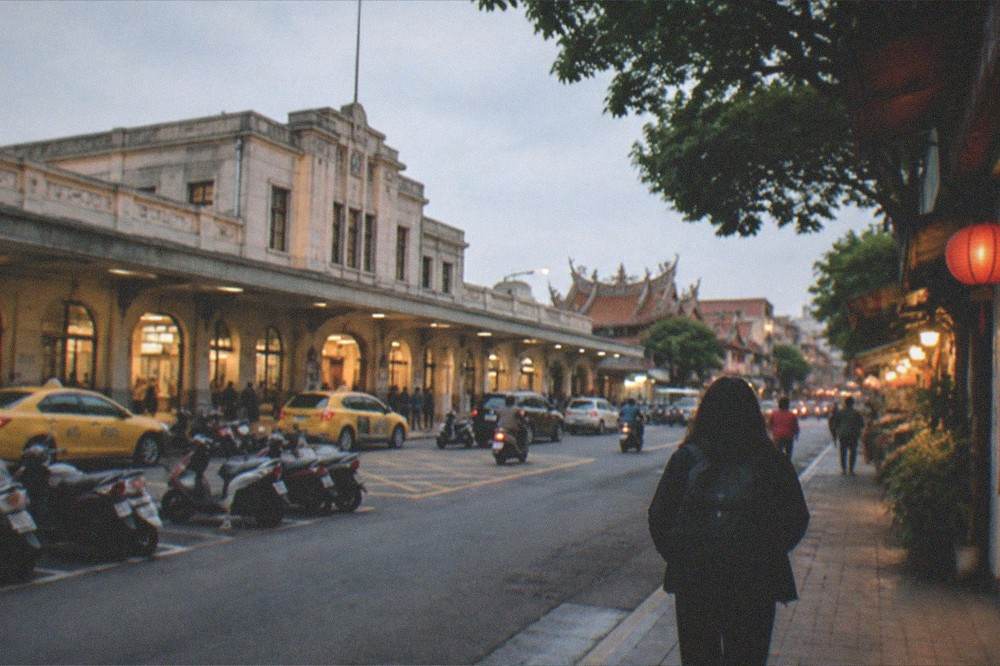
The Short Version for One Person
Tainan rewards a solo traveler who plans three things and improvises the rest: the arrival, because the HSR station is at Shalun and the free H31 shuttle on production of a ticket stub is the bridge to the center; the night markets, because the rotation by day of week decides your evenings; and the rain, because October to March is the dry half of the year and August alone averages 466 mm. Everything else is cheap or free in a way that suits one person.
Buses are free for the first 8 km with an electronic card, four major temples carry no ticket at all, and the food culture sells by the single bowl, which means a traveler eating alone is not working against the grain of the city but with it. The city was Taiwan's capital for more than two centuries, until the late nineteenth century, and the layers it accumulated are dense enough that a traveler on their own, moving at their own pace, is arguably the ideal reader of them. More on the whole city is on Tainan Travel Guide.