Guanmiao Noodles
Guanmiao is the Tainan district that gave its name to one of Taiwan's best-known noodle products, and the town's identity is still built around flour, water and sun-drying racks. This guide explains what Guanmiao noodles are, why the district's climate matters, and how to plan a visit around them.
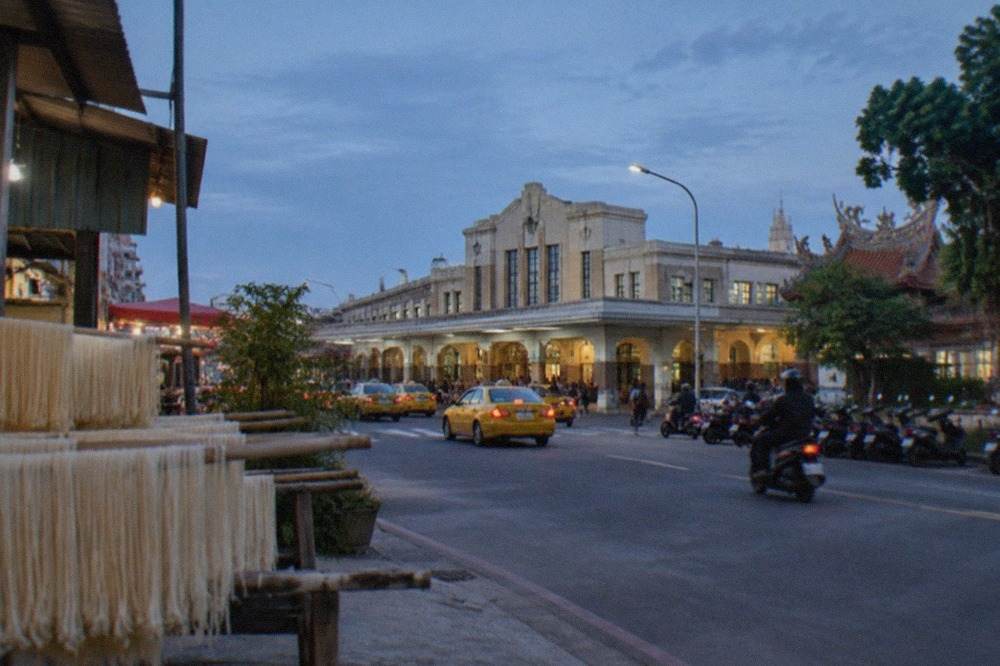
Short answer
Guanmiao noodles are sun-dried wheat noodles from Guanmiao District in eastern Tainan, known for their chewy texture. The district is about a day trip from the old city, and this guide covers how to get there, what to eat and what else to see nearby.
Guanmiao is the district in eastern Tainan that put its name on noodle packets across Taiwan. The town sits in a basin where the climate does two things a noodle maker wants: it gets hot, and for half the year it stays dry. That combination made Guanmiao a center for sun-dried noodles, and the name stuck to the product even as factories and machines took over from the racks. This guide from Tainan Travel Guide covers what Guanmiao noodles actually are, how the district's weather shapes them, and how to fold a visit into a Tainan trip without losing half a day to bad planning.
What Are Guanmiao Noodles?
Guanmiao noodles are a type of dried wheat noodle, similar in spirit to a firm Italian pasta or a Chinese mian thread, made in Guanmiao District in eastern Tainan. They are traditionally air-dried in the sun rather than oven-dried, which producers credit with their springy, chewy bite. Today the name refers both to the craft and to a widely sold packaged noodle brand from the district.
The noodle itself is simple: wheat flour, water and salt, rolled and cut, then dried. What distinguishes the Guanmiao style is the drying. Machine-dried noodles pass through a hot tunnel in minutes, while traditional sun-drying lets the noodle dry slowly from the outside in, which makers say keeps the interior dense and gives the cooked noodle its characteristic resistance to the teeth. The process depends on weather, which is why the district's climate matters so much to the story.
The craft is not unique to one family or one shop. Guanmiao has had a cluster of noodle makers for generations, and the district's name became shorthand for the style the way a wine region does. Packets labeled Guanmiao noodles are sold in supermarkets across Taiwan, and the packaged product is what most Taiwanese people mean when they say the name. The town itself, though, is a small rural district where some workshops still dry noodles the slow way, and where the noodle sits alongside bamboo, pineapples and Guanmiao's other agricultural claims.
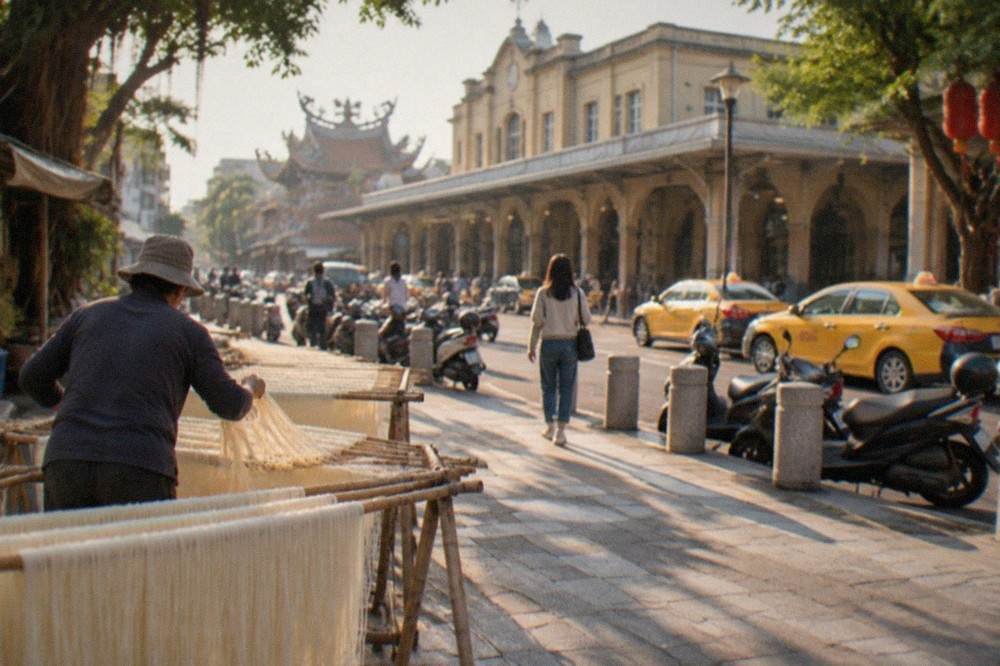
For a visitor, the honest framing is this: Guanmiao noodles are a product you can buy anywhere in Taiwan, but Guanmiao the place is a working agricultural district where the product comes from, and where a small number of workshops still show the traditional method. The district is not a theme park of noodles. It is a town with a specialty, and it rewards a visitor who arrives knowing that.
Why Does Tainan's Weather Make Guanmiao Good Noodle Country?
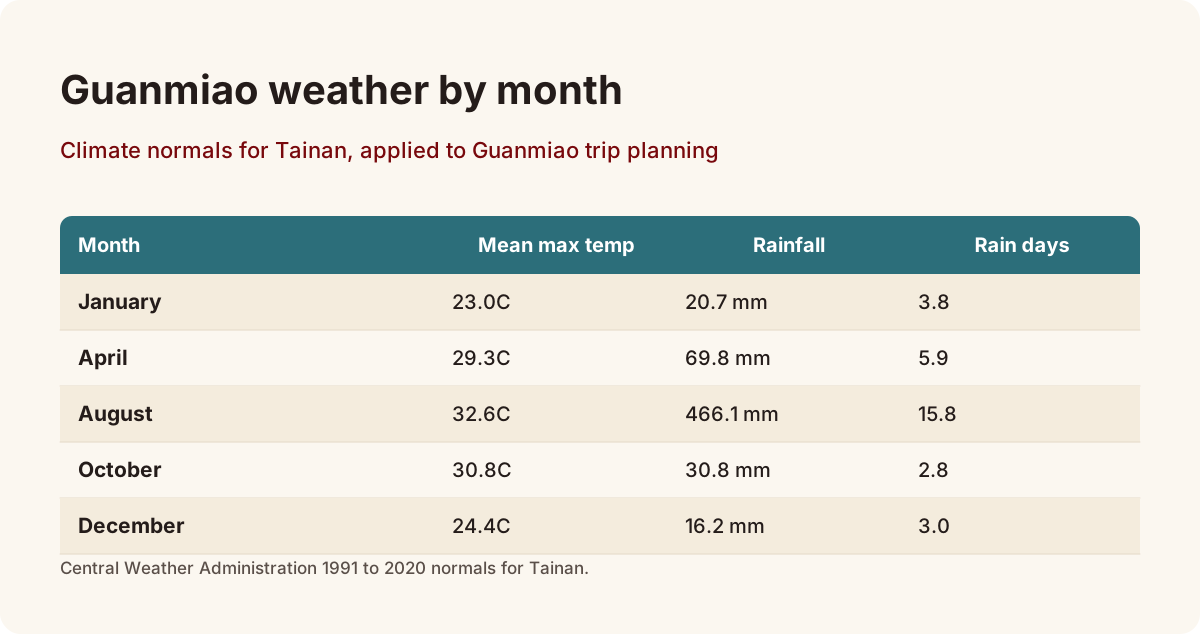
Sun-drying needs long stretches of hot, dry, breezy weather, and the Central Weather Administration's 1991 to 2020 normals for Tainan show exactly that for half the year. October averages just 2.8 rain days while still reaching 30.8C maxima, and December brings only 16 mm of rain across about 3 days. From October to March the region is dry, warm and sunny, which is prime drying weather.
The flip side matters too. August brings 466 mm of rain across roughly 16 wet days, and nearly three-quarters of Tainan's annual 1,761 mm falls between May and September. A traditional noodle maker working with sun racks cannot rely on the summer, which is part of why the craft historically concentrated in districts with good autumn and winter sun and why modern producers moved indoors. The Central Weather Administration's published climate normals for the Tainan station spell this pattern out month by month.
| Month | Mean max temp | Rainfall | Rain days |
|---|---|---|---|
| January | 23.0C | 20.7 mm | 3.8 |
| April | 29.3C | 69.8 mm | 5.9 |
| August | 32.6C | 466.1 mm | 15.8 |
| October | 30.8C | 30.8 mm | 2.8 |
| December | 24.4C | 16.2 mm | 3.0 |
For trip planning, the same table tells you when to visit Tainan generally, and it applies to Guanmiao specifically. October to March is the comfortable half of the year, with fewer wet days than any summer month and temperatures that still climb above 23C most afternoons. If seeing traditional outdoor drying racks is the goal, the dry season is the realistic window; in summer, workshops that dry outdoors simply cannot work some weeks. Our Tainan weather guide and the typhoon season overview cover the timing in more depth.
Where Is Guanmiao and How Do You Get There from Tainan City?
Guanmiao District sits in southeastern Tainan, roughly 20 km from the old city center, on the edge of the hills that rise toward the interior. There is no rail station in the district, so the realistic options are a city or highway bus, a scooter, a private car, or a taxi. Most visitors reach it as a half-day trip, often paired with nearby stops rather than as a single destination.
The transport facts that are verified are these. Tainan's city buses are free for the first 8 km of any trunk or branch route journey if you hold an electronic card, a Citizen Card, iPASS, EasyCard or iCash 2.0, and you tap on and tap off, with the tap-off being the step visitors most often miss. The same trip paid in cash costs 26. The scheme runs for the 2026 calendar year, so treat it as current policy rather than a permanent one. The city's own bus ticketing page sets out the conditions. Guanmiao sits beyond the old city's bus spine, so check whether your route qualifies and expect a longer ride than a city hop.
| Transport option | What is verified |
|---|---|
| City bus with EasyCard or iPASS | Free for the first 8 km on trunk and branch routes in 2026; tap on and tap off |
| City bus paid in cash | 26 for the base fare |
| High Speed Rail | The HSR station is at Shalun in Guiren District, not in Tainan city, and requires a transfer to reach either the center or Guanmiao |
| Scooter | An International Driving Permit is not automatically sufficient; Taiwan expects it to be registered at a Motor Vehicles Office, and rental shops may refuse without it |
| Taxi | No published Tainan taxi fare schedule exists, so agree the fare or use a meter before setting out |
Two planning notes. First, if you are arriving by High Speed Rail, remember the station is not in Tainan: it is at Shalun in Guiren District, and reaching either the old city or Guanmiao means a transfer. Our pages on Taiwan High Speed Rail, the Tainan HSR station and getting around Tainan cover the connections. Second, Guanmiao is close enough to the Kaohsiung to Tainan corridor that travelers coming up from the south sometimes fold it in on the way, though doing that without a car eats time.
What Do You Actually Eat in Guanmiao?
The classic dish is the noodle itself, served simply: boiled Guanmiao noodles with a sesame or scallion sauce, or dropped into soup. Around it, the district is known for its agricultural produce, pineapples and bamboo shoots in particular, and for ordinary Taiwanese small-town eateries rather than destination restaurants. No verified price list for any dish, stall or restaurant in Guanmiao exists, so plan on modest small-town costs rather than quoted numbers.
The noodle's texture is the point. Because it is dried slowly, it holds its bite when cooked, and local kitchens tend to serve it in ways that show that off: tossed with sauce rather than buried, or in a light broth where the noodle's firmness is the whole argument. Sesame paste, scallion oil and a simple soy-based dressing are the common treatments. The same noodle also travels well, which is why the packaged version is a standard pantry item across Taiwan and a common souvenir.
No dish price in Tainan is verified by an official source, and this site does not invent numbers. What can be said is the structural truth: Guanmiao is a rural district, and eating there costs what small-town Taiwan costs, which is to say noticeably less than the tourist strips of the old city. If your trip is budget-driven, the Tainan food guide and the street food overview give the wider picture, and the classics like dan zai noodles, beef soup and coffin bread are all old-city dishes that pair naturally with a Guanmiao day in a longer itinerary.
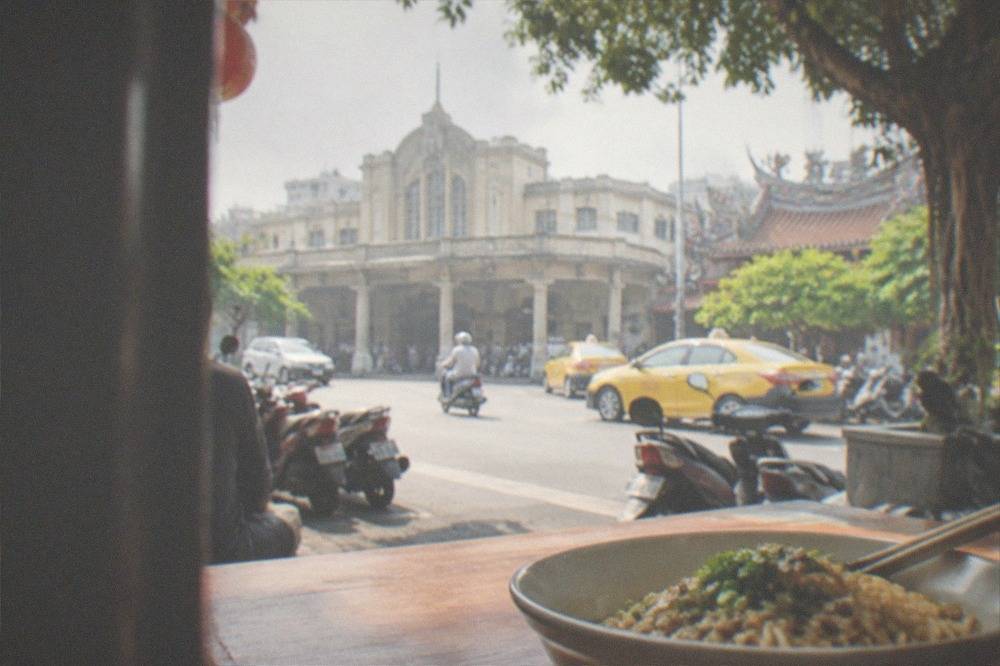
Can You Visit a Noodle Workshop or See the Drying Racks?
Some workshops in and around Guanmiao still dry noodles the traditional way, on outdoor racks, and a visitor in the dry season can sometimes see them from the roadside. There is no verified official list of which workshops accept visitors, which charge a fee, or which run making demonstrations on a schedule, so treat any visit as a stop-and-look unless you have arranged something in advance.
What is verifiable is the visual fact of the craft: bamboo racks of pale noodle strands set out in the sun are a real feature of the district's landscape in the drying season, and photographs of them are among the most shared images of rural Tainan. What is not verifiable, and what this site will not claim, is that any particular workshop is the original, the oldest or the best, or that a named maker offers tours. Those claims circulate in travel writing and none of them is confirmed on an official source.
The practical advice follows from that honesty. Drive or ride through the district in the dry months and you may pass racks in use. Stop where it is safe and legal to stop, look, and buy packets at local shops, which sell them without ceremony. If you want a guaranteed food experience with a guide who has arranged the stops, a booked food walk in the old city is the reliable version of that, and the solo pick below is the strongest option.
What Else Is There to Do Near Guanmiao?
Guanmiao sits in a corner of Tainan that most first-time visitors never reach, and the nearby draws are agricultural and rural rather than monumental. The district is known for pineapples and bamboo alongside noodles, and the surrounding hills hold small temples, walking country and scattered viewpoints. It is a half-day to a full-day loop by car or scooter, not a rail-served sightseeing line.
The wider region rewards a specific kind of traveler. If your Tainan trip is built on the Dutch-era forts, the temples and the night markets, Guanmiao adds a different register: fields, small-town streets and produce stands. The city's own festival calendar places the mango season in June and July in the production areas east and southeast of the old city, and the Qigu Seafood Festival runs July and August on the coast, so a summer trip can pair a Guanmiao noodle stop with seasonal fruit on the same drive, though summer rain, with August alone bringing 466 mm, is the trade-off.
| Season | What the calendar and climate support |
|---|---|
| October to March | Dry, sunny, 2.4 to 5.9 rain days per month; best window for outdoor drying racks and rural driving |
| June to July | Mango season in the production areas, per the city's festival calendar |
| July to August | Qigu Seafood Festival on the coast; also the wettest months, with 466 mm in August |
| February | Yanshui Beehive Fireworks, held on the Lantern Festival, in the north of the city |
If the rural east does not fit your days, the honest alternative is to eat Guanmiao noodles in the old city, where noodle dishes appear on menus across the night markets and the food streets, and to spend your saved half-day on Chihkan Tower, which stays open to 21:30 daily and is one of the few historic sites a visitor can see after dinner. A guided walk is the efficient way to do the old city version, and the pick below is the best-rated fit.
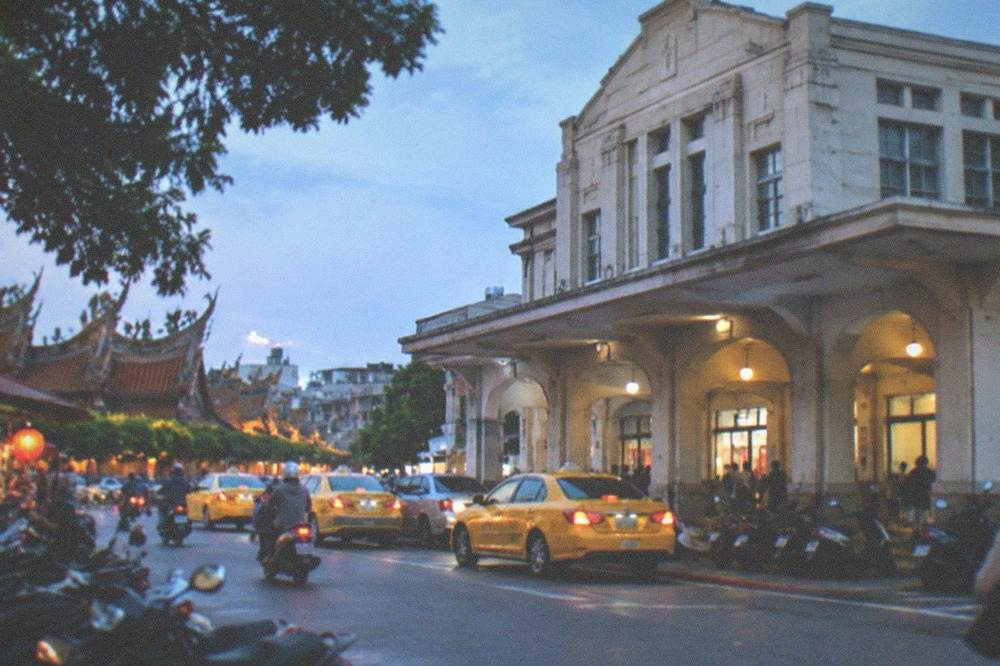
How Do Guanmiao Noodles Compare with Tainan's Other Famous Dishes?
Guanmiao noodles are an ingredient with a district's name on them, while Tainan's most famous foods, dan zai noodles, beef soup, coffin bread and milkfish soup, are dishes tied to specific preparations and old-city kitchens. The noodle is the agricultural end of Tainan's food story; the old-city classics are the urban end. A full food trip usually includes both.
That distinction shapes how you plan. Dan zai noodles are a bowl: noodles, braised pork, shrimp and soup, with a claimed origin story in the old city's carrying-trade era. Beef soup is a Tainan breakfast ritual built on freshly slaughtered beef and clear broth. Coffin bread is a thick fried toast shell filled with a creamy stew. Each of those is a dish you eat at a stall or shop in the city, usually in the West Central District or the food streets around it. Guanmiao noodles, by contrast, are what a district makes and what the whole island buys in packets.
The comparison also tells you where the food-culture value is. Tainan's reputation as Taiwan's food capital rests on the old city's density of old dishes, and a visitor with two or three days should weight the trip that way. Guanmiao is the deeper cut, the day trip for a second visit or a long stay, and it makes most sense for travelers with a car, an interest in how food is produced, or a reason to be in the southeast of the city anyway.
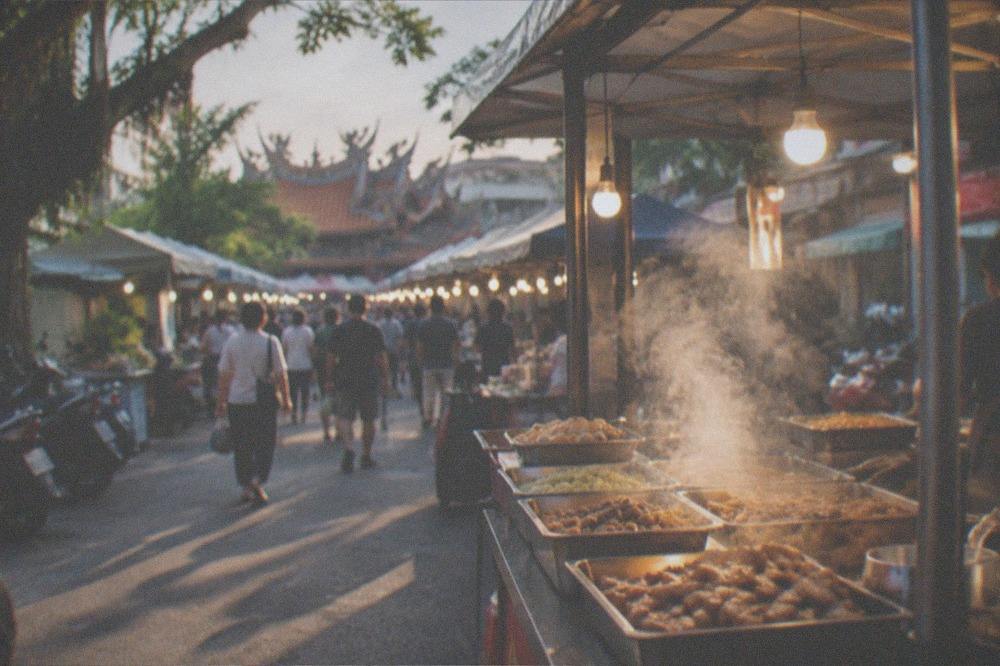
What Does a Guanmiao Day Trip Look Like in Practice?
A realistic Guanmiao day is a half-day loop: leave the old city in the morning, drive or ride the roughly 20 km southeast, stop at workshops and produce stands while the sun is up, eat a simple noodle lunch in the district, and return by mid-afternoon. In the dry season the racks are the highlight; in summer the trip works best folded into a produce-and-coast drive with rain contingency.
Timing follows the sun. Drying racks are loaded in the morning and the light is better before midday, so an early start is the move if photographs or the craft itself are the point. Lunch in the district is a low-ceremony affair, and the noodle served close to where it is made is the dish to order. The return leg can swing past the hills or, on a longer day, connect toward the eastern districts. Without a car the loop is harder: buses serve the district but the distances between stops are rural, so budget more time or hire a driver.
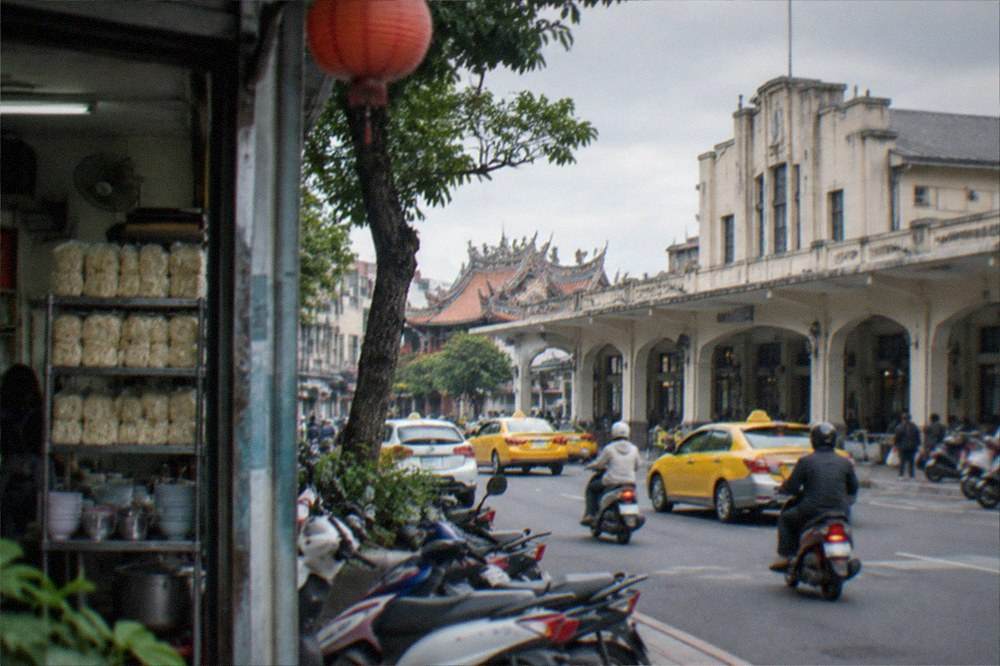
The alternative, for most travelers, is to skip the drive and eat the district's product in the city. Packets of Guanmiao noodles are sold in supermarkets and souvenir shops across Tainan, and old-city kitchens cook them. A food and culture walking tour through the old city covers the urban classics with a guide, and the solo pick below is a well-reviewed way to spend an afternoon if the rural loop does not fit your schedule.
Should Guanmiao Noodles Be on Your Tainan Itinerary?
For most first-time visitors, no: the old city's temples, forts, museums and night markets should come first, and Guanmiao is a second-visit or long-stay addition. For travelers with a car, an interest in food production, or a trip of four days or more, yes: it is a genuine half-day in rural Taiwan, anchored by a craft the whole island recognizes, and it costs little once you are there.
The decision tree is short. If you have one or two days, stay in the old city; our one day in Tainan and two days in Tainan itineraries are built for exactly that. If you have three or more days and wheels, add the rural east. If you care about the noodle as a food-culture object but not as a destination, buy the packets, cook them at home, and spend the saved day on the coast at Qigu or the lagoon, where the Sicao Green Tunnel boats run on the mangrove waterway.
Common Questions About Guanmiao Noodles
What are Guanmiao noodles?
Guanmiao noodles are dried wheat noodles made in Guanmiao District in eastern Tainan, traditionally sun-dried on outdoor racks, which producers credit with a firm, chewy texture. The name also appears on a widely sold packaged noodle product from the district.
Where is Guanmiao?
Guanmiao is a rural district in southeastern Tainan, roughly 20 km from the old city center. It has no rail station, so visitors reach it by bus, scooter, car or taxi.
Can you visit a Guanmiao noodle workshop?
Some workshops still dry noodles outdoors and can be seen from the roadside in the dry season, but no verified official list of visitor-open workshops exists. Stop and look where it is safe, and buy packets at local shops.
What is the best time of year to see the drying racks?
October to March, when the Central Weather Administration's normals for Tainan show 2.4 to 5.9 rain days per month and warm, sunny afternoons. Summer is the wettest period, with 466 mm of rain in August alone.
How much does it cost to eat in Guanmiao?
No official price list for any dish, stall or restaurant in Guanmiao exists, so this site quotes no numbers. As a rural district, its eating costs run below the old city's tourist strips.
Can you buy Guanmiao noodles as a souvenir?
Yes. Packets are sold in supermarkets and souvenir shops across Tainan and Taiwan, and buying them in the district itself supports the local shops directly.
Guanmiao noodles are the quiet half of Tainan's food story: a district's climate and craft turned into a pantry staple for the whole island, sitting behind the louder old-city dishes that fill the night markets. Eat the old city first if Tainan is new to you, then, when a longer stay or a set of wheels opens the rural east, go and see where the noodle is made, in the dry months when the racks are out and the sun is doing the work.