Qigu Salt Mountain
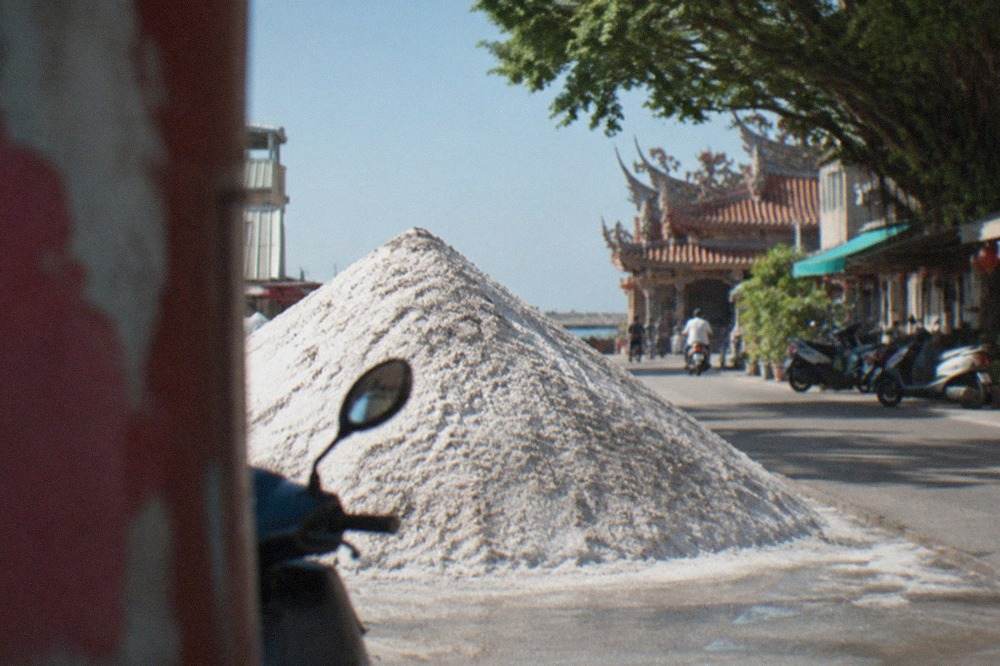
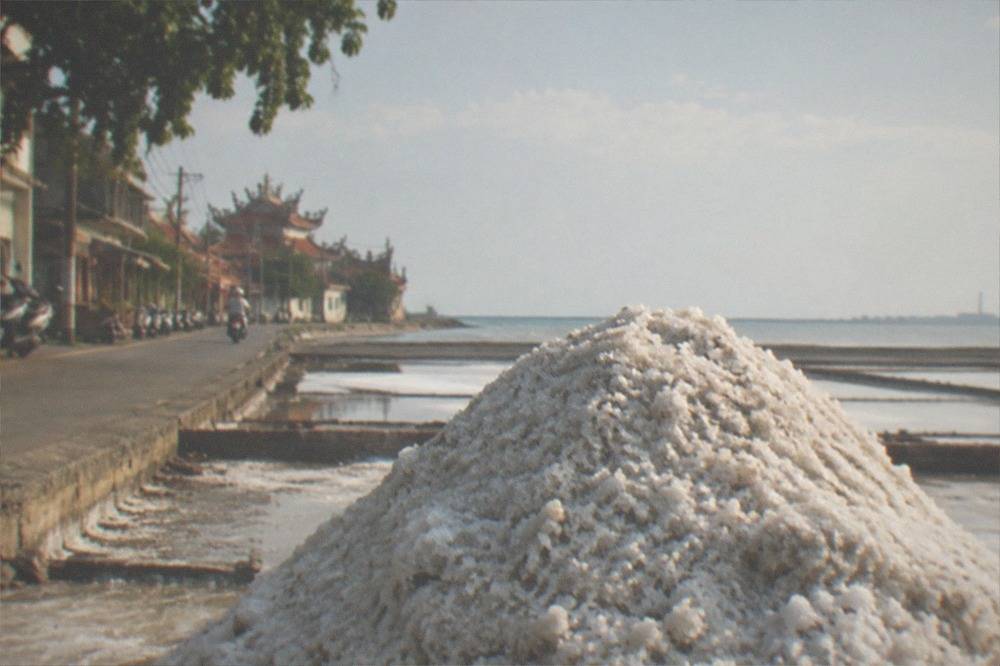
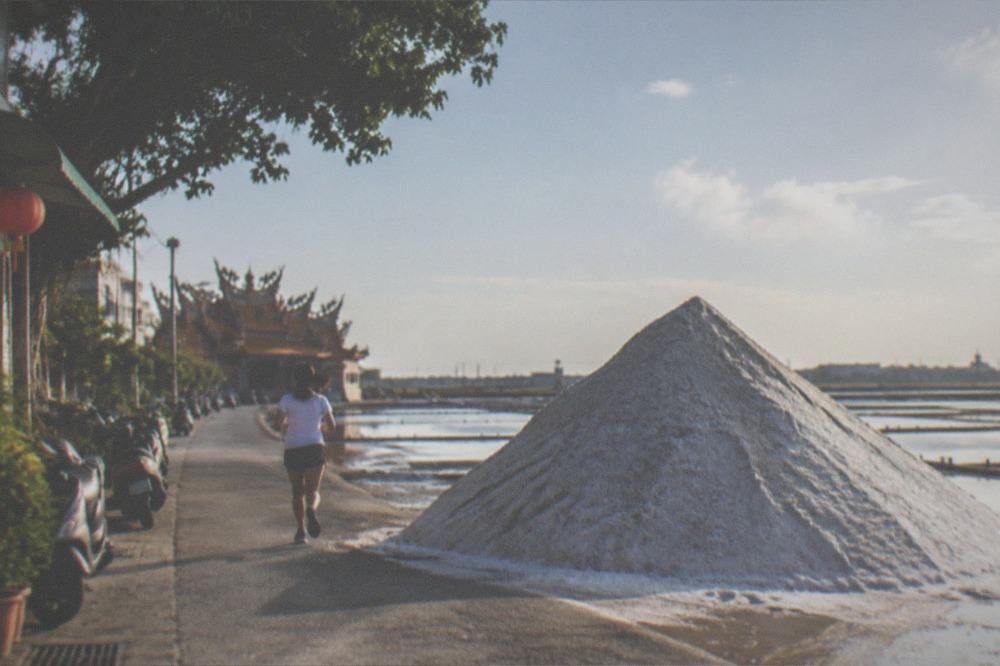
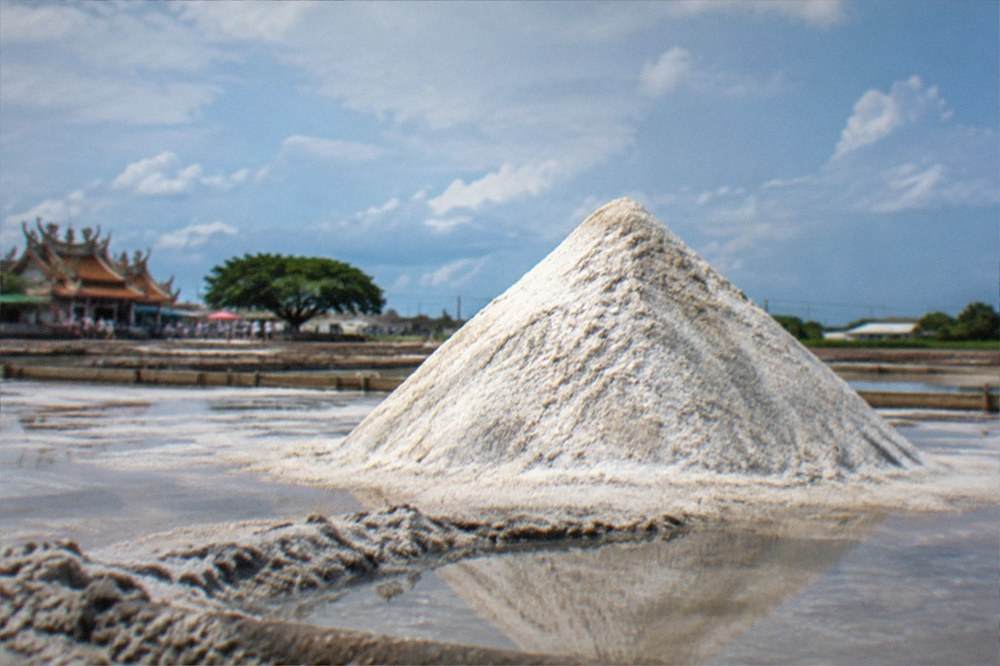
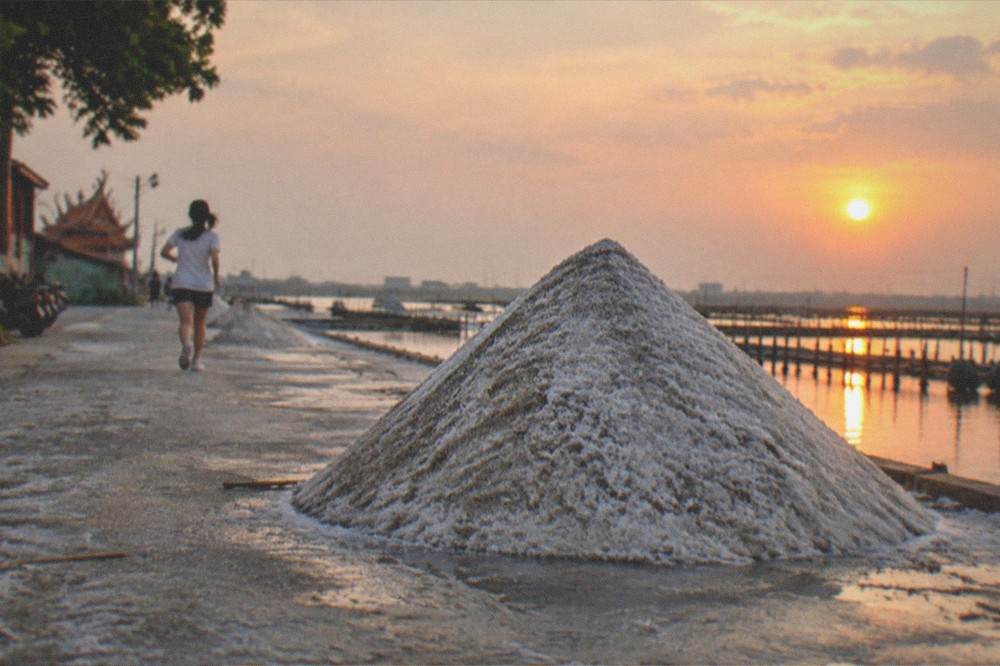
Qigu Salt Mountain is exactly what its name says: a mountain of salt, left behind by a century of industrial salt production on Tainan's lagoon coast, and now one of the district's biggest draws.
Short answer
Qigu Salt Mountain charges a NT$50 cleaning fee per person on foot, NT$100 per car, and is open 09:00 to 18:00 daily. It sits in Qigu District on Tainan's coast, about an hour from the old city, and pairs naturally with the lagoon, the salt museum and the wintering black-faced spoonbills.
Qigu Salt Mountain is a pile of salt the size of a small building, and that description, flat as it sounds, is the truth. A century of salt drying on the Qigu coast left behind a mountain of it, and the Tainan City Government Tourism Bureau's page for the site records it as one of the district's signature sights, open 09:00 to 18:00 daily. The most recent annual count in the Tourism Administration's own dataset puts the wider Qigu Salt Industry Recreation Area at 690,750 visitors, ahead of the Jingzijiao Tile-Paved Salt Fields at 636,193 and well ahead of Beimen's salt area at 344,093. This page, from the editorial desk at Tainan Travel Guide, sets out what the official sources say about fees, hours, transport and the rest of the Qigu coast.
What Is Qigu Salt Mountain?
Qigu Salt Mountain is a mound of dried industrial salt in Qigu District, on Tainan's lagoon coast, left over from large-scale salt production that ran on this flat coastal plain for roughly a century. It is not a natural hill and not a mine: it is the stored output of the evaporation fields that once covered the Taijiang inner sea's silty edge, now preserved as the centerpiece of the Qigu Salt Industry Recreation Area, which counted 690,750 visitors in the most recent full year of the national dataset.
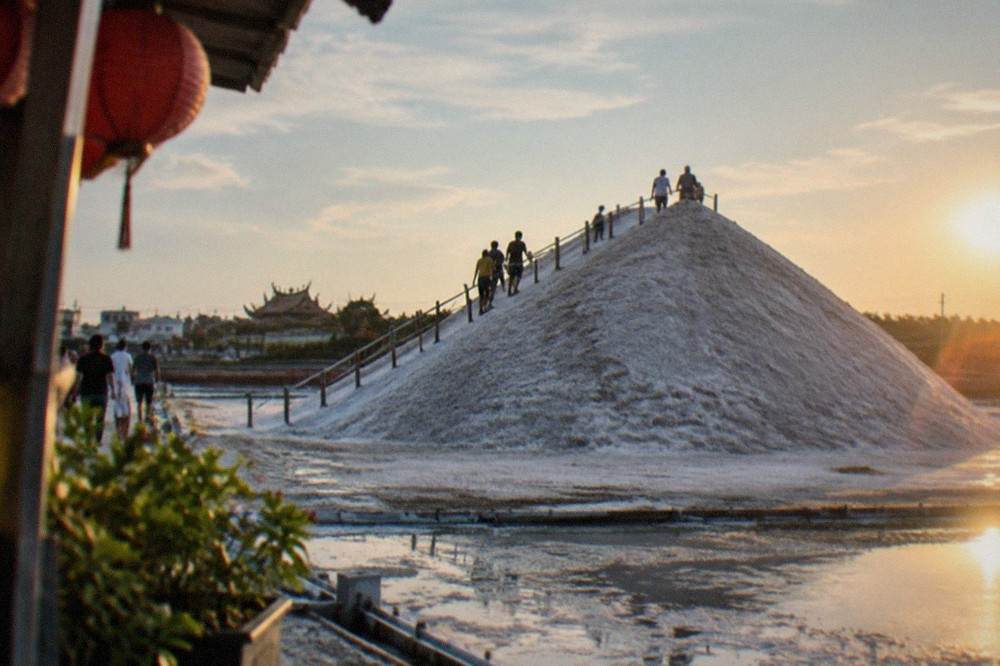
The story the site tells is a story of Taiwan's salt industry. The land here is flat, the sun is strong, and the coastal wind does the drying work; those conditions made the Qigu coast one of the island's main salt-producing zones, and the mountain itself is the residue of that industry after production wound down. What remains is a white slope visitors can climb, set inside a recreation area with salt-themed displays and paid add-on activities such as a small train and craft sessions, which the official site lists separately from the cleaning fee.
The Tourism Bureau's page for the site records the practical basics, and it is the source for every figure in this article. What it does not promise is a hike. The mound is a walk-up slope, a few minutes from bottom to top, and the view from the crest is of the surrounding coastal plain: fishponds, windbreak trees and the flat horizon of the lagoon coast, which is exactly the landscape the salt industry depended on.
How Much Does It Cost to Visit Qigu Salt Mountain?
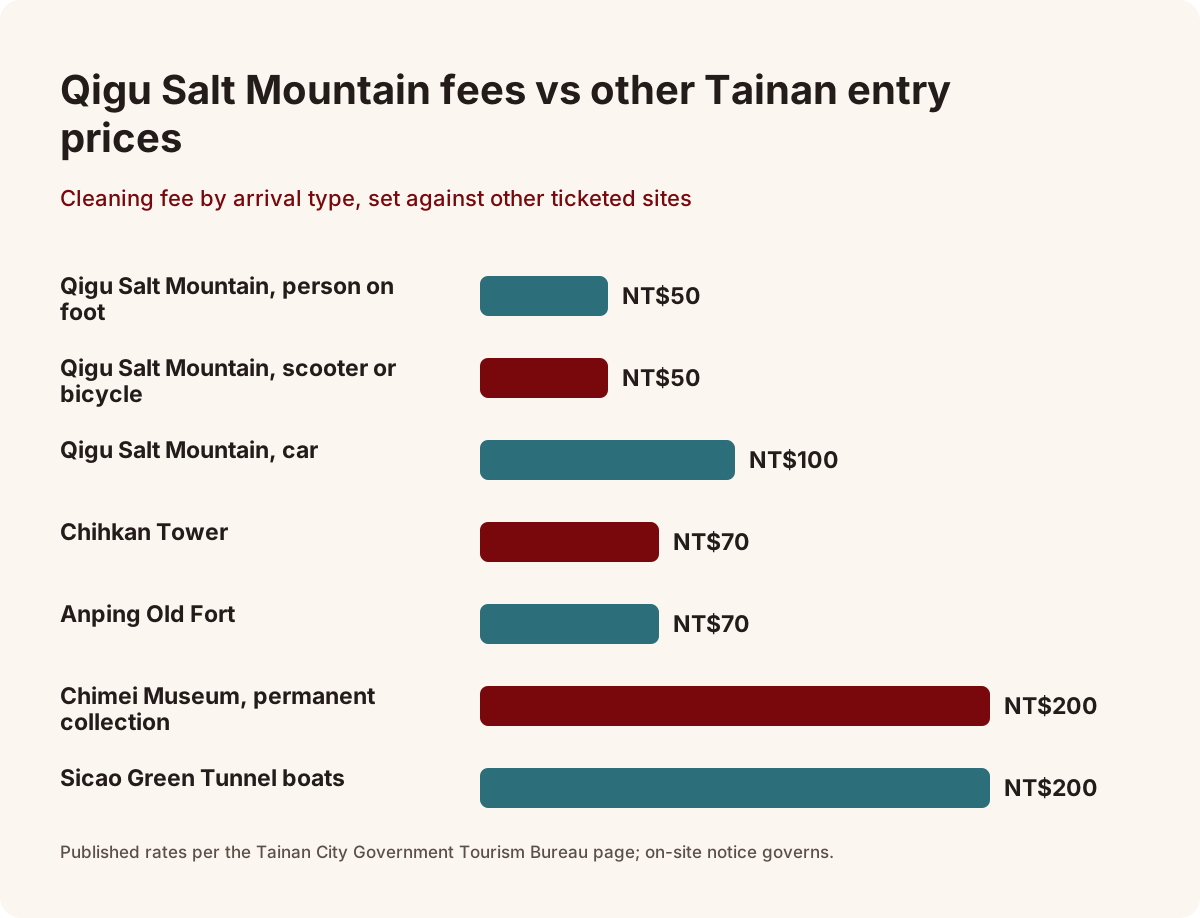
Qigu Salt Mountain charges a NT$50 cleaning fee per person arriving on foot, and the same NT$50 per scooter or bicycle. A car pays NT$100, and coaches with 20 or more seats are free. The site is open 09:00 to 18:00 every day, with no listed closure day. The fee is a cleaning charge rather than an admission ticket, and additional paid activities inside, such as the little train and craft experiences, are charged separately.
The fee structure matters for how you arrive. A group of four in one car pays 100 in total, the same as two people arriving on foot at 50 each. The city's own page, which carries the standing caveat that prices are for reference and the on-site notice governs, lists these figures as the current published rates, and the honest way to write them is exactly that: 50 at the gate, not 50 guaranteed.
| Arrival type | Fee |
|---|---|
| Person on foot | NT$50 |
| Scooter or bicycle | NT$50 |
| Car | NT$100 |
| Coach of 20+ seats | Free |
For context, the fee is modest against the rest of Tainan's ticketed sites. Chihkan Tower and Anping Old Fort both charge NT$70 at the gate, the Chimei Museum charges NT$200 for its permanent collection, and the Sicao Green Tunnel boats cost NT$200. Set against those, a NT$50 cleaning fee for a coastal landmark is one of the cheaper entry points on the Qigu coast.
The one cost decision worth making in advance is whether to visit independently or on a guided day tour. The independent route means a bus or a rented vehicle out of the city and back; a tour bundles the driving with stops at other headline sites. Both are legitimate choices, and the tours below are the ones the desk has verified as live products.
What Are the Opening Hours at Qigu Salt Mountain?
Qigu Salt Mountain is open 09:00 to 18:00 daily, with no closure day listed on the official page. That makes it one of the more dependable sites on the Tainan coast: unlike the Chimei Museum, which closes every Wednesday, or the Tainan Art Museum, which closes Mondays, the salt mountain's published hours run seven days a week. Visitors should still confirm before traveling, because the city updates these pages.
The hours suit the coast's rhythm. The site opens mid-morning, which matches the reality that most visitors reach Qigu from Tainan city as a half-day or full-day trip rather than a quick stop, and the 18:00 close means an afternoon arrival still leaves time on the mound. The practical planning point is the pairing: the Sicao Green Tunnel boats stop running at 16:00, so a combined salt-and-mangroves day needs the boat ride in the morning slot and the salt mountain after lunch, not the other way round.
The desk's honest note on the schedule: the city's attraction pages carry visible last-updated dates, and hours do change. The standing advice across this site is to check the official page before setting out, especially on a public holiday weekend, when the coast draws heavy local traffic.
Want the Salt Coast Without the Logistics?
A guided day tour covers Qigu Salt Mountain together with Chihkan Tower and Anping Castle in a single day, with transport handled, which matters on a coast the city buses reach slowly. Free cancellation is available on the listing, so you can hold the day and decide later.
How Do You Get to Qigu Salt Mountain from Tainan?
Qigu sits on Tainan's northwest coast, and reaching the salt mountain from the old city means a bus ride across the coastal plain or a private vehicle. There is no rail line to Qigu District, and the High Speed Rail station is no help here: it is at Shalun in Guiren District, southeast of the city, on the wrong side of Tainan for the coast. Most independent visitors take a city bus toward Qigu or drive, and most tour groups arrive by coach.
The verified transport facts that bear on this trip are the city bus scheme and the H31 shuttle. Tainan's trunk and branch buses are free for the first 8 km with an electronic card, a Citizen Card, iPASS, EasyCard or iCash 2.0, provided you tap on and tap off; the city's own bus fare page sets the cash fare for the same trip at 26. The scheme runs for the 2026 calendar year, so treat it as current policy rather than a permanent one. The H31 shuttle matters only if you are arriving by High Speed Rail: it is free for HSR passengers on production of a ticket stub, but it runs between the HSR station and the city government line, not to the coast.
Beyond the free 8 km, a bus to Qigu is a long ride on a flat road, and that is the honest trade-off. The desk's guidance: if the day's plan is Qigu alone, a bus or a scooter works; if the plan is the salt mountain plus the lagoon plus anything back in the city, a day tour or a private car buys back hours. The scooter caveat from the official position: an International Driving Permit is not automatically sufficient in Taiwan, the authorities expect it to be registered at a Motor Vehicles Office, and rental shops may refuse without that registration, so check before planning a scooter day on the coast roads.
What Else Can You Do Around Qigu Salt Mountain?
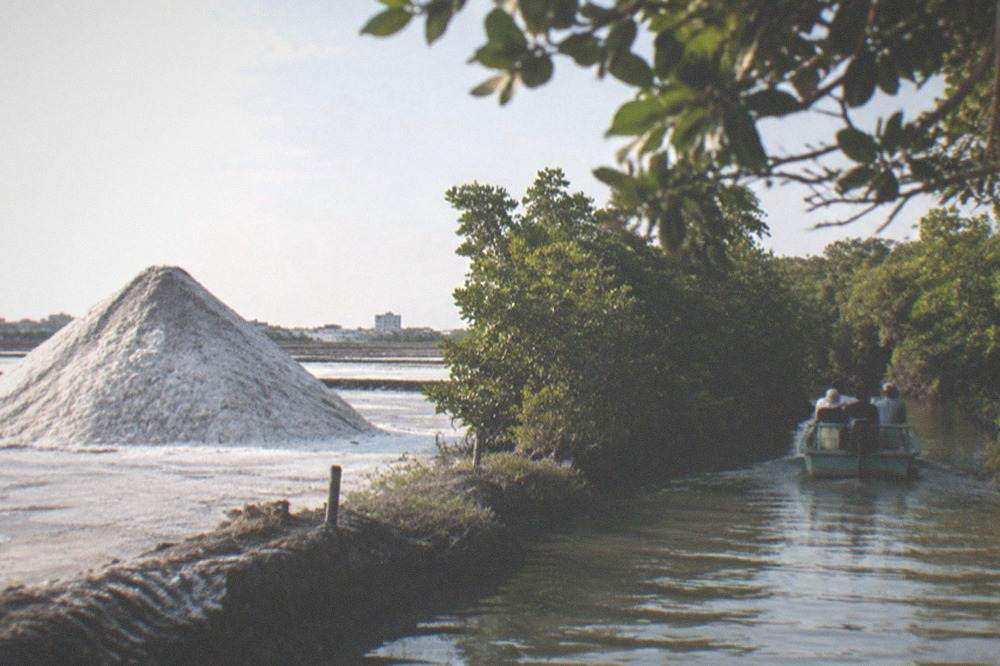
The Qigu coast packs several sights into a small area: the Sicao Green Tunnel mangrove boat ride at NT$200, the Qigu Lagoon oyster-farming waters, the Taiwan Salt Museum next to the salt mountain, and the black-faced spoonbill wintering grounds in the coastal wetlands. The national dataset's most recent annual counts show the salt industry recreation area at 690,750 visitors and the Jingzijiao Tile-Paved Salt Fields at 636,193, which makes this stretch one of Tainan's busiest outside the temple circuits.
The mangrove boats deserve the first mention because they are the coast's second headline. The Sicao Green Tunnel runs 08:00 to 16:00 daily, at NT$200 full fare, with concessions at 100 for primary-school children, a 30 "black-faced spoonbill" ticket for ages 0 to 6 and 80 and above, and a 100 accessibility ticket whose holder may bring one companion. Both routes cost the same: the Green Tunnel and the longer Taijiang route are both 200, so there is no cheaper option to hunt for. The Sicao Green Tunnel page on this site has the detail.
The spoonbills are the coast's seasonal draw. The general pattern, as recorded in Taiwan's official tourism material, is that black-faced spoonbills arrive at the Qigu wetlands and the Zengwen River estuary around September or October and depart by March to May, with the core viewing season in winter. The desk will not promise a sighting or invent a count; what it will say is that winter is when the birdwatching matters, which conveniently is also the dry, comfortable half of Tainan's year.
| Qigu coast sight | Annual visitors (latest dataset) | Entry |
|---|---|---|
| Qigu Salt Industry Recreation Area | 690,750 | NT$50 cleaning fee on foot |
| Jingzijiao Tile-Paved Salt Fields | 636,193 | Check on site |
| Beimen Salt Industry Recreation Area | 344,093 | Check on site |
The caveat the desk attaches to that table, and to every visitor count on this site: the figures come from the Tourism Administration's own dataset, but each site compiles and reports its own numbers, methods differ between a ticketed site and an open salt field, and the pandemic years are depressed across the board. The comparison is still fair within a single year.
Two more stops complete a Qigu loop. The Taiwan Salt Museum sits beside the salt mountain and tells the industrial story the mound only implies, and the Qigu Lagoon is the oyster-raft waterworld that gives the district its food reputation. The desk's suggested order: museum first for the context, then the mound, then the lagoon for lunch, because Qigu's oysters are the reason the seafood festival in July and August is on the city's official calendar.
The boat ride is the one element of the coast that sells out or fills up, because boats leave on passenger counts, so holding a ticket in advance is the sensible move in peak season.
When Is the Best Time to Visit Qigu Salt Mountain?
The best time to visit Qigu Salt Mountain is October to March, Tainan's dry half of the year. The Central Weather Administration's 1991 to 2020 normals for Tainan show October averaging just 2.8 wet days, the lowest of any month, while still reaching 30.8C maxima, and December bringing only 16 mm of rain across about 3 days. August, by contrast, averages 466 mm across 16 wet days, and typhoon risk concentrates in the late-summer months.
The climate table is the whole argument, so here is the shape of it. Tainan's annual rainfall of 1,761 mm falls almost entirely between May and September, close to three-quarters of it in those five months. The salt coast in August is hot, wet underfoot and exposed; the same coast from October onward is dry, breezy and bright, with annual sunshine across the year at 2,185 hours. The Central Weather Administration's published normals are the source for every figure in this section.
| Month | Mean max C | Rain mm | Rain days |
|---|---|---|---|
| January | 23.0 | 20.7 | 3.8 |
| April | 29.3 | 69.8 | 5.9 |
| July | 33.0 | 374.6 | 13.0 |
| August | 32.6 | 466.1 | 15.8 |
| October | 30.8 | 30.8 | 2.8 |
| December | 24.4 | 16.2 | 3.0 |
Two seasonal notes sharpen the choice. Winter is spoonbill season, so the October-to-March window that the climate table recommends is also the window in which the wetlands around Qigu are at their most interesting. And if summer is the only option, the best time to visit Tainan question is answered the same way: go early in the day, because the salt mountain has no shade, and check the typhoon situation, since a declared typhoon day closes attractions across the city.
Is Qigu Salt Mountain Worth the Trip from Tainan?
Qigu Salt Mountain is worth the trip for visitors with a half day or more who want Tainan's coastal, industrial and ecological side rather than another temple or fort. The numbers support it: 690,750 annual visitors in the national dataset, a NT$50 cleaning fee, seven-day opening, and a surrounding district that adds a mangrove boat ride, a salt museum and a lagoon. It is not worth a rushed detour; the coast rewards a proper half day, and the commute is the cost.
The honest framing is a comparison with the city's headline sites. Chihkan Tower drew 443,622 annual visitors in the same dataset and the Confucius Temple 195,109, while the Qigu salt area drew 690,750; the coast out-draws the Dutch-era sites, which matches the wider pattern that Tainan's biggest magnets are temples and whole districts rather than forts. A visitor choosing between a second day of old-city streets and a day on the coast is choosing between two genuinely different Tainans, and the desk's read is that the coast is the more distinctive half.
The full-day version of the trip is what the guided products are built for, and the desk's verified pick is the day tour that chains Qigu Salt Mountain with Chihkan Tower and Anping Castle in one itinerary, which is the efficient shape if the Tainan stay is short. The Qigu salt flats day trip page on this site lays out the independent version of the same loop.
For visitors pairing the coast with a city evening, the night market calendar is the thing to check. Garden Night Market opens Thursday to Sunday, Wusheng opens Wednesday, Friday and Saturday, and Dadong opens Monday, Tuesday and Friday, so a Qigu day ending on a Friday lines up with the one night all three big outdoor markets run. The Garden Night Market page has the full verified schedule, and the standing caveat applies: the city updates these days, so check before you go.
What Should You Know Before You Go to Qigu Salt Mountain?
Bring sun protection, water and cash, plan the boat ride before the salt mountain if you are doing both, and go in the dry season if you can. The site has no shade, the coast is exposed, the cleaning fee and the boat tickets are modest but cash-friendly, and the Sicao boats stop at 16:00 while the salt mountain runs to 18:00. A half day is the realistic minimum; a full day with the museum and the lagoon is the comfortable version.
The packing list writes itself from the climate table: 186 days a year go above 30C in Tainan, and a white salt surface under an October sun at 30.8C maxima reflects heat as well as taking it. Footwear matters more than it sounds, because the salt surface is coarse and loose in patches, and the wind off the lagoon picks up salt dust.
The money question is straightforward. Counting the cleaning fee at 50, the boat at 200 and lunch on the coast, a Qigu day is one of the cheaper full days in the Tainan region, and the only budget line the desk cannot verify is food, because no official price list for coastal restaurants exists and none will be invented here. The Qigu area page carries the fuller district guide.
One last pairing worth naming: the Anping side of the coast. Visitors with a full day sometimes run Qigu in the morning and Anping in the afternoon, which works because Anping Old Fort closes at 17:10 and the salt mountain at 18:00, so the order is flexible. The Chihkan Tower alternative stays open to 21:30, one of the few historic sites in the city a visitor can see after dinner, which is why the guided tours put it last.
The trio above covers the three ways the coast converts into a booking: a full guided day, the boat ride alone, and a photography-friendly qipao rental for the Anping half of the loop. The desk's pick of the three for most visitors is the day tour, because it solves the commute, which is the coast's only real friction.
The Qigu coast is the half of Tainan that the old-city itinerary misses, and the salt mountain is its anchor. The fees are small, the hours are dependable, the dry season is generous, and the surrounding district supplies a mangrove tunnel, a salt museum, a lagoon and wintering spoonbills within a short drive of one another. Plan the half day, check the official pages before setting out, and the coast repays the commute.
Common Questions About Qigu Salt Mountain
How much does Qigu Salt Mountain cost?
The site charges a NT$50 cleaning fee per person on foot, the same NT$50 per scooter or bicycle, NT$100 per car, and coaches of 20 or more seats enter free. The city's page notes that the on-site notice governs, so treat these as the published rates rather than a guarantee.
What are Qigu Salt Mountain's opening hours?
09:00 to 18:00 daily, with no closure day listed on the official page. The Sicao Green Tunnel boats nearby stop at 16:00, so a combined day needs the boat ride first.
How do I get to Qigu Salt Mountain from Tainan city?
By city bus toward Qigu, by private vehicle, or on a guided day tour. There is no rail line to the district, and the HSR station at Shalun is on the opposite side of the city. City buses are free for the first 8 km with an electronic card, tapping on and off, for the 2026 calendar year.
When is the best time to visit the Qigu coast?
October to March, which is Tainan's dry season and also the black-faced spoonbill wintering window. August averages 466 mm of rain across 16 wet days; October averages 30.8 mm across 2.8, the driest month of the year by wet days.
Can you combine Qigu Salt Mountain with the Sicao Green Tunnel?
Yes, and it is the natural pairing. The boats run 08:00 to 16:00 at NT$200 full fare, both routes the same price, and the salt mountain runs to 18:00, so the boat in the morning and the salt after lunch is the standard order.
Is Qigu Salt Mountain worth visiting?
For a half day or more, yes: the salt industry recreation area draws 690,750 annual visitors in the national dataset, the fee is NT$50, and the district adds a lagoon, a salt museum and wintering spoonbills. It is not a quick stop; the commute is the cost of the coast.