What Happened at Fort Zeelandia?
The verified history of Fort Zeelandia in Tainan, from the Dutch East India Company's 1624 landing to Koxinga's 1662 takeover, plus what survives at Anping Old Fort today.
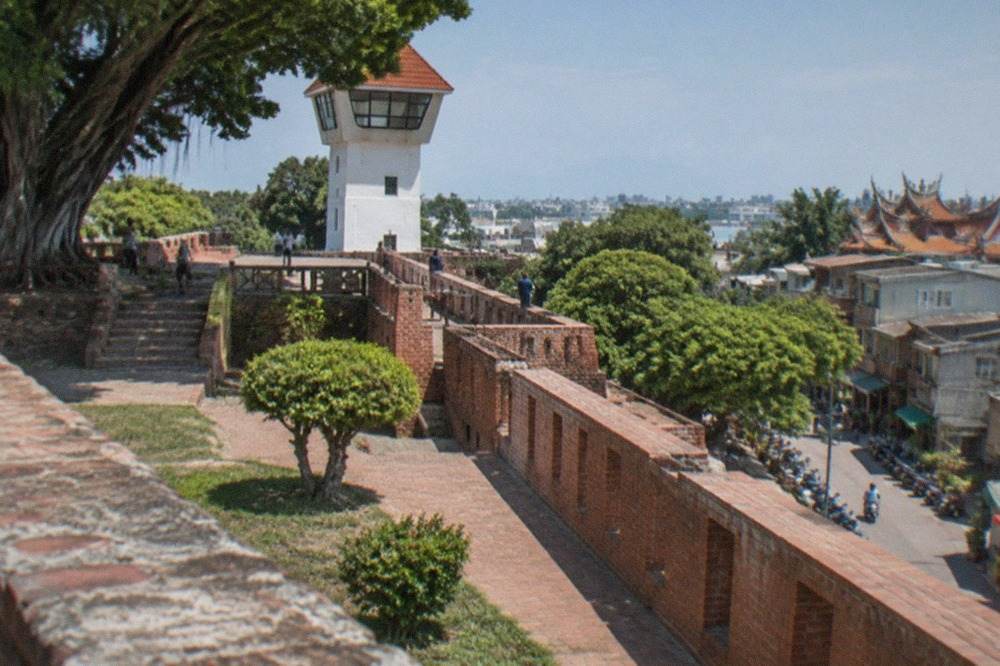
Fort Zeelandia is the reason Tainan has a Dutch fort to visit at all. The Tainan City Government Tourism Bureau's page for the site records that the Dutch East India Company occupied what is now Anping in 1624 and completed the fort in 1634, that Koxinga took it in 1662 and renamed the place Anping, and that most of what stands there today is not Dutch at all but Japanese-era rebuilding and a 1975 city renovation. That gap between the famous story and the physical remains is the honest starting point for anyone asking what actually happened at Fort Zeelandia.
What Happened at Fort Zeelandia?
The Dutch East India Company built Fort Zeelandia at Anping between 1624 and 1634 as its defensive stronghold in Taiwan, and Koxinga captured it in 1662 after a siege, ending Dutch rule on the island. He renamed the place Anping, made the inner fort his residence, and locals came to call it the King's Castle. The site is visitable today as Anping Old Fort, though only the south outer rampart walls are genuine Dutch-period brickwork.
Those are the four load-bearing facts, and each one is recorded on the Tourism Bureau's own page for the site. The fort was a company installation, not a colony's capital in the modern sense: the Dutch East India Company wanted a trading and defensive base, and the sandbar peninsula at Anping gave it one. The Bureau's page describes the fort as the company's defensive stronghold, 熱蘭遮堡 in Chinese, begun in 1624 with the full works finished by 1634.
The 1662 outcome is the hinge of the whole story. Koxinga, the Ming loyalist commander also recorded as Zheng Chenggong, took the Dutch fort, renamed the settlement Anping, and moved into the inner fort as his residence. The Bureau notes that locals called it the King's Castle, 王城, during that period. Dutch rule in Taiwan ended with that surrender, and the site's later identity as Anping Old Fort, 安平古堡, dates from after the Second World War according to the same page.
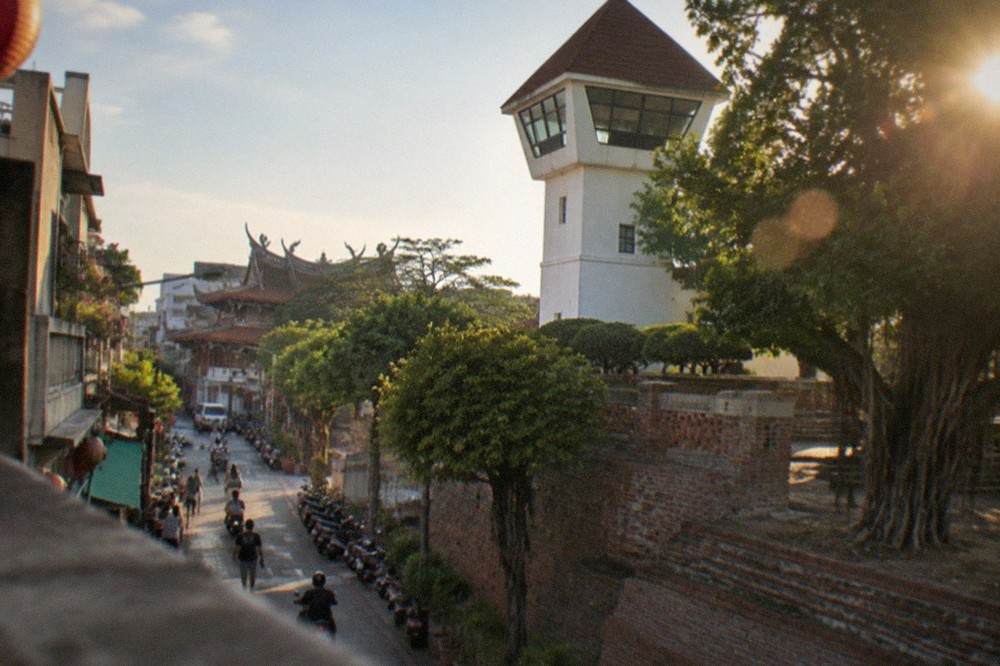
The part most visitors miss is what happened to the fabric of the building. The Bureau records that the Qing period saw the fort decline as the Taijiang inner sea silted up, and that Qing troops dismantled parts of Fort Zeelandia to build the Eternal Golden Castle elsewhere in the city. Under Japanese rule the site was rebuilt, and in 1975 the Tainan City Government renovated it, adding the pointed roof to the lookout tower and painting the walls white. That 1975 work is what most people photograph.
Who Built Fort Zeelandia and Why?
The Dutch East India Company built Fort Zeelandia starting in 1624, completing the main works in 1634, as the defensive centerpiece of its trading presence in Taiwan. The company chose the Anping sandbar for its position guarding the inner sea, and the fort was designed as a stronghold first and a trading post second, with ramparts, an inner keep and outer walls.
The company's arrival in 1624 was part of the wider Dutch push into East Asian trade. The Bureau's page frames the occupation of Anping and the construction of the fort as a single project: the company needed a fortified base, and the site gave it command of the harbor approaches and the Taijiang inner sea that once stretched behind it. Fort Provintia, the second Dutch fort at what is now Chihkan Tower in the city center, followed in the early 1650s as an administrative counterpart on the other side of that water.
| Year | Verified event | Source note |
|---|---|---|
| 1624 | Dutch East India Company occupies Anping and begins Fort Zeelandia | Tourism Bureau page for Anping Old Fort |
| 1634 | Fort Zeelandia's construction is completed | Same page, "all works completed in 1634" |
| Early 1650s | Dutch build Fort Provintia at the present Chihkan Tower site | Tourism Bureau's Chihkan Tower page |
| 1662 | Koxinga takes the fort, renames the place Anping, and the inner fort becomes his residence | Tourism Bureau page for Anping Old Fort |
| 1975 | Tainan City Government renovates the site, adding the lookout tower's pointed roof and painting the walls white | Same page |
The table above is deliberately short. Plenty of dates circulate in accounts of this period, including the start of Koxinga's siege and the Qing annexation, but the site's own published history supports only the years listed, and this site does not print a date it cannot source. For the fuller political context, the Tainan history guide carries the verified spine and flags the same gaps.
How Did Koxinga Take the Fort in 1662?
Koxinga captured Fort Zeelandia in 1662 and the surrender ended the Dutch East India Company's rule in Taiwan. The Tourism Bureau's page records the outcome: he took the fort, renamed the place Anping, and made the inner fort his residence, which locals called the King's Castle. The Bureau's published history does not state the siege's start date, and this site does not supply one from memory.
The Bureau's account is outcome-focused, and that is worth being transparent about. What the city's own page verifies is that Koxinga, recorded in Chinese as 鄭成功, took the Dutch fort in 1662 and that Dutch rule on the island ended with it. Widely repeated accounts put the siege's start in 1661 and describe a blockade lasting months, but the official page for the site gives only the 1662 result, so that is all this article states as fact. The distinction matters less than you might think: the consequence, not the calendar, is what made the event pivotal.
The consequence was a change of regime and a change of name. The settlement became Anping, 安平鎮, and the fort became the residence of the new ruler. The Bureau's page notes that the inner fort served as Koxinga's residence and that locals called it the King's Castle. His shrine today stands elsewhere in the city, and the fort site itself carried the Anping name forward into the district's modern identity.
For visitors weighing the story against the sight, the honest summary is this: the event of 1662 was decisive, but the building you can walk into is not the building Koxinga besieged. The site's later history, Qing decline, Japanese rebuilding, the 1975 renovation, replaced nearly all of it.
What Can You Still See of Fort Zeelandia in Tainan Today?
The only genuine Dutch-period remains at Anping Old Fort are the brick walls of the south outer rampart in front of the fort. The lookout tower with its pointed roof, the white-painted walls and most of the visible structures date from the Japanese-era rebuilding and the 1975 city renovation. The site is open 10:00 to 17:10 daily, admission NT$70 at the gate, with half-price concessions and free entry for Tainan residents with ID.
That is the Bureau's own finding, and it is the single most useful thing to know before you go. Visitors arriving expecting a Dutch castle will find a layered site instead: seventeenth-century brick fragments at the rampart, Japanese-era stonework, and a 1975 tower that has become the postcard image anyway. Read as a palimpsest rather than a ruin, it tells the whole three-century story of the city in one place, which is arguably better than a preserved Dutch fort would be. The wider set of guides lives on Tainan Travel Guide.
The practical details are verified and simple. The site opens daily at 10:00 and closes at 17:10, one of the shorter opening windows among Tainan's historic sites, so it belongs in a morning or early-afternoon Anping circuit rather than an evening one. Admission is NT$70 at the gate, concessions are half price, and Tainan residents enter free with ID, a benefit that does not extend to visitors. The city's own pages state that the on-site notice governs, so treat every figure as the posted price rather than a guarantee.
Nearby, the Anping Tree House, the banyan-swallowed former warehouse, is NT$70 and open 08:30 to 17:30, and the Eternal Golden Castle, partly built from dismantled Zeelandia brick, is also NT$70 over the same hours. A combined ticket covering these sites is sometimes claimed but is not verified, so budget for separate entries. Planning a route around them is covered in the Anping Old Fort guide.
How Does the Story Connect to Chihkan Tower?
Fort Zeelandia and Fort Provintia were the Dutch East India Company's two strongholds, paired across the Taijiang inner sea: Zeelandia on the Anping sandbar and Provintia at the present Chihkan Tower site in the city center, built in the early 1650s. Chihkan Tower is open 08:30 to 21:30 daily, admission NT$70 at the gate, and its late closing makes it one of the few historic sites in Tainan a visitor can see after dinner.
The Bureau's Chihkan Tower page records the Dutch building Fort Provintia there in the early 1650s, and it flags a genuine source disagreement on the exact year, 1652 on the city's own page against 1653 in common citation, which is why this site writes "the early 1650s" and nothing more precise. The two forts worked as a pair: the coastal stronghold and the administrative post on the inland side of the water. When Koxinga took the island, both sites changed hands, and both were rebuilt repeatedly afterward, so both now present largely post-Dutch fabric over Dutch foundations.
Chihkan Tower's hours are the practical surprise. At 08:30 to 21:30 daily, it outlasts every other ticketed historic site in the city by hours, and the Chihkan Tower guide covers how to use that late window in an evening plan. Visitor numbers put the pair in perspective: the Tourism Administration's 2023 dataset records 443,622 visitors at Chihkan Tower, against 6,583,100 at Nankunshen Daitian Temple, a reminder that Tainan's biggest draws are its temples, not its forts.
Can You Visit the Fort Zeelandia Site Today?
Yes, the Fort Zeelandia site is open to visitors as Anping Old Fort, daily from 10:00 to 17:10, with admission of NT$70 at the gate, half-price concessions and free entry for Tainan residents with ID. The Dutch-period remains are limited to the south outer rampart brickwork, and the site is reached through the Anping district, which the Tourism Administration's 2023 figures show drew 4,441,443 visitors in that year.
Anping as a district is one of the city's real visitor engines, and the fort sits inside a walkable cluster that includes the Tree House, Anping Old Street and the canal. The can you visit Fort Zeelandia page covers the logistics in detail, including how the site fits a half-day in the district. For the broader question of whether the city justifies the trip, is Tainan worth visiting makes the case with the same verified numbers.
One planning note that catches arrivals: the High Speed Rail station is not in Tainan's old city but at Shalun in Guiren District, so reaching Anping from the HSR station means a transfer, by the free H31 shuttle for HSR passengers holding a ticket stub or by the Shalun rail line, which is a paid Taiwan Railway ticket rather than a free connection.
Common Questions About Fort Zeelandia
What Happened At Fort Zeelandia?
The Dutch East India Company built the fort at Anping from 1624, completing it in 1634, as its defensive stronghold in Taiwan. Koxinga captured it in 1662, ending Dutch rule on the island, renaming the place Anping and making the inner fort his residence. The site is open today as Anping Old Fort.
Is Fort Zeelandia the same as Anping Old Fort?
Yes. The site of Fort Zeelandia is today's Anping Old Fort. The Tourism Bureau records that the present name dates from after the Second World War, and that most of the current structures, including the pointed-roof lookout tower, come from Japanese-era rebuilding and a 1975 city renovation.
How much of the original Dutch fort survives?
Only the brick walls of the south outer rampart in front of the fort are genuine Dutch-period remains, according to the Tourism Bureau's page for the site. Qing troops dismantled other parts of the fort to build the Eternal Golden Castle, and later rebuilding replaced nearly everything else.
When did Koxinga take Fort Zeelandia?
1662. The Tourism Bureau's page records that Koxinga took the Dutch fort in that year, renamed the settlement Anping, and made the inner fort his residence, which locals called the King's Castle. The Bureau's published history does not state the siege's start date.
What are Anping Old Fort's hours and prices?
The site is open daily from 10:00 to 17:10, and admission is NT$70 at the gate. Concessions are half price, and Tainan residents enter free with ID, a benefit that does not extend to visitors. The city states that the on-site notice governs, so confirm prices when you arrive.
Was Fort Zeelandia connected to Chihkan Tower?
Yes, they were the Dutch East India Company's paired strongholds. Fort Zeelandia stood on the Anping sandbar and Fort Provintia, built in the early 1650s, stood at the present Chihkan Tower site in the city center, on opposite sides of the silted Taijiang inner sea.
The story of Fort Zeelandia is really the story of Tainan in miniature: a Dutch stronghold that became a Ming loyalist's castle, then a Qing quarry, then a Japanese-era monument, and finally a 1975 renovation that most visitors assume is the original. The city's own pages, from the Tourism Bureau's Anping Old Fort page to its Chihkan Tower page, are the sources behind every date and figure here, and they are worth reading directly if the period catches your interest. Walk the rampart brickwork slowly, take the 1975 tower for what it is, and the site explains the city better than any single ruin could.