Which Part of Taiwan Is Tainan?
Tainan sits on Taiwan's southwest coastal plain, roughly halfway down the island's west side. Here is exactly where it is, what the region looks like, and how the location shapes a visit.
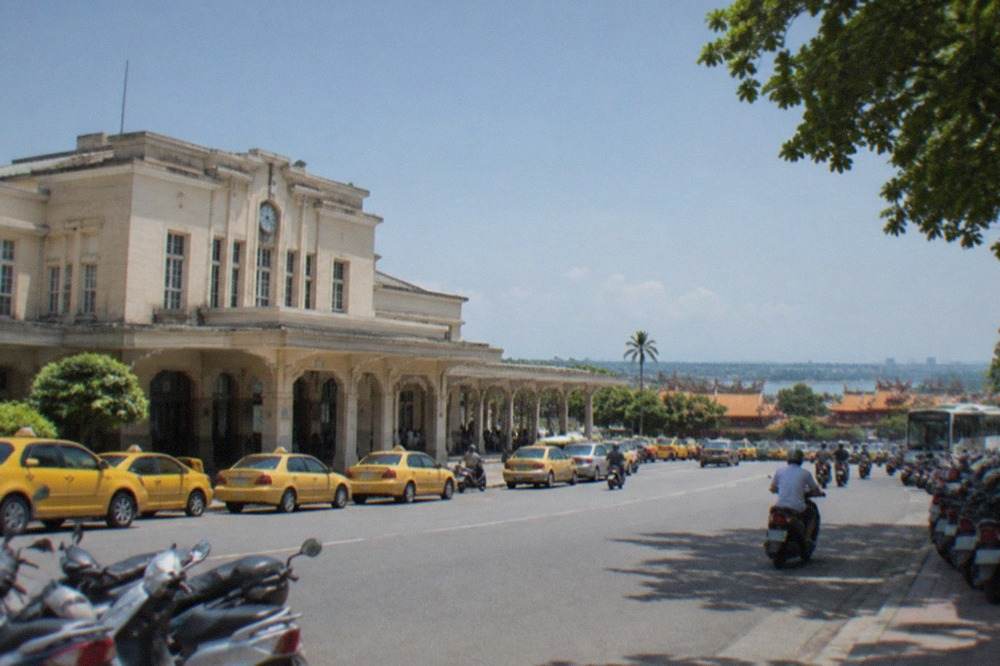
Which Part of Taiwan Is Tainan?
Tainan is a special municipality of Taiwan occupying the island's southwest coastal plain, with its historic core on flat land between the old Taijiang inner sea and the Taiwan Strait. The city's own bus network references its 37 district offices, which tells you the scale: this is one of Taiwan's largest administrative areas, stretching from the coast at Anping and Qigu inland to hills at Guanziling and Baihe. Kaohsiung, Taiwan's other great southern city, begins almost immediately to the south, and the two are linked by a High Speed Rail hop that Taiwan High Speed Rail's own fare table prices at NT$140 standard from Zuoying.
Which Part of Taiwan Is Tainan?
Tainan is in the southwest of Taiwan, on the island's west-facing coastal plain. It is a special municipality covering 37 districts, with its old city at Anping and the West Central District sitting on former lagoon and inner-sea land, and its southern boundary running directly against Kaohsiung. In island terms it is the lower half of the west coast, not the far south tip and not the mountainous east.
The old city grew where the Dutch East India Company built Fort Zeelandia in 1624, on a sandbar that has since joined the mainland as the Taijiang inner sea silted up. That geography still shapes the visit. Anping, the harbor district, is now a peninsula of old streets and fort walls, while the lagoon coast north of it, at Sicao and Qigu, is mangrove, oyster beds and salt flats. Inland, the land climbs gently toward the hills where Guanziling's hot springs sit.
The Tainan City Government Tourism Bureau's page for Anping Old Fort records the layers plainly: Dutch walls begun in 1624 and completed as Fort Zeelandia in 1634, a Qing-era dismantling of parts of the fort to build the Eternal Golden Castle, and a 1975 city renovation that added the pointed lookout roof visitors see today. The city was Taiwan's capital for more than two centuries, until the late nineteenth century, and that long run as the island's administrative and cultural center is why so much of the old fabric survives here rather than in Taipei.
If you are weighing the south against the north, is Tainan worth visiting is the natural next question, and the short answer from every dataset is yes: the Tourism Administration's own figures show Nankunshen Daitian Temple alone drew 6,583,100 visitors in 2023, roughly fifteen times Chihkan Tower's count.
How Far Is Tainan from Taiwan's Other Big Cities?
On the High Speed Rail, Taipei to Tainan costs NT$1,350 for a reserved standard seat, Taichung NT$650, Chiayi NT$280 and Zuoying, the Kaohsiung HSR station, NT$140. Tainan sits almost exactly halfway down the west coast corridor, closer to Kaohsiung than to anything else, with the HSR station itself at Shalun in Guiren District, outside the old city.
That station detail matters more than most visitors expect. The High Speed Rail stop is not in central Tainan; it is a district away, and reaching the old city means a transfer, either by the TRA Shalun Line, which is a paid Taiwan Railway ticket, or by the H31 HSR shuttle bus. The city's own bus fare page sets out the H31 deal: free for HSR passengers on production of a ticket stub, otherwise NT$18 for one section or NT$36 for two, with the section break at the Chimei Museum. The shuttle route therefore doubles as a museum connection.
| Origin | HSR Standard Car, reserved | Non-reserved |
|---|---|---|
| Taipei | 1,350 | 1,305 |
| Nangang | 1,390 | 1,345 |
| Taoyuan | 1,190 | 1,150 |
| Taichung | 650 | 630 |
| Chiayi | 280 | 270 |
| Zuoying (Kaohsiung) | 140 | see the operator's fare table |
All fares come from Taiwan High Speed Rail's own fare table, which is a single grid: the lower-left triangle is Standard Car, the upper-right is Business Car, and a careless read of that grid returns the NT$2,230 business fare for Taipei and overstates the standard price by 65 percent. For how the rail journey fits a wider plan, see how far is Tainan from Taipei.
The position also explains the day-trip geography. Chiayi, the usual staging post for Alishan, is one HSR stop away, and the Kaohsiung boundary is close enough that the two cities are routinely compared, as in which city is better to visit, Tainan or Kaohsiung.
What Does the Southwest Coast Around Tainan Look Like?
The coast around Tainan is lagoon country: mangrove tunnels at Sicao, oyster farms and salt mountains at Qigu, and black-faced spoonbill wetlands at the Zengwen River estuary, all on land reclaimed from the Taijiang inner sea that silted up after the Qing period. Inland the plain rises to hot-spring hills at Guanziling and lotus fields at Baihe.
This is the part of the island the Dutch maps were drawn from, and the modern version is Taijiang National Park, the protected lagoon and wetland system that runs north from Anping. The Sicao Green Tunnel boats, NT$200 for either the mangrove route or the longer Taijiang route, both cost the same, cross water the old harbor would have recognized. Qigu Salt Mountain, a NT$50 cleaning fee on foot, sits in the same coastal strip, next to working oyster platforms. Everything else covered here is indexed on Tainan Travel Guide.
The spoonbills tie the region together seasonally. The birds arrive in the Qigu wetlands around September or October and stay into spring, which pairs neatly with the city's festival calendar: the Qigu Seafood Festival runs July to August, and the Yanshui Beehive Fireworks light up the northern edge of the municipality each February, on the Lantern Festival.
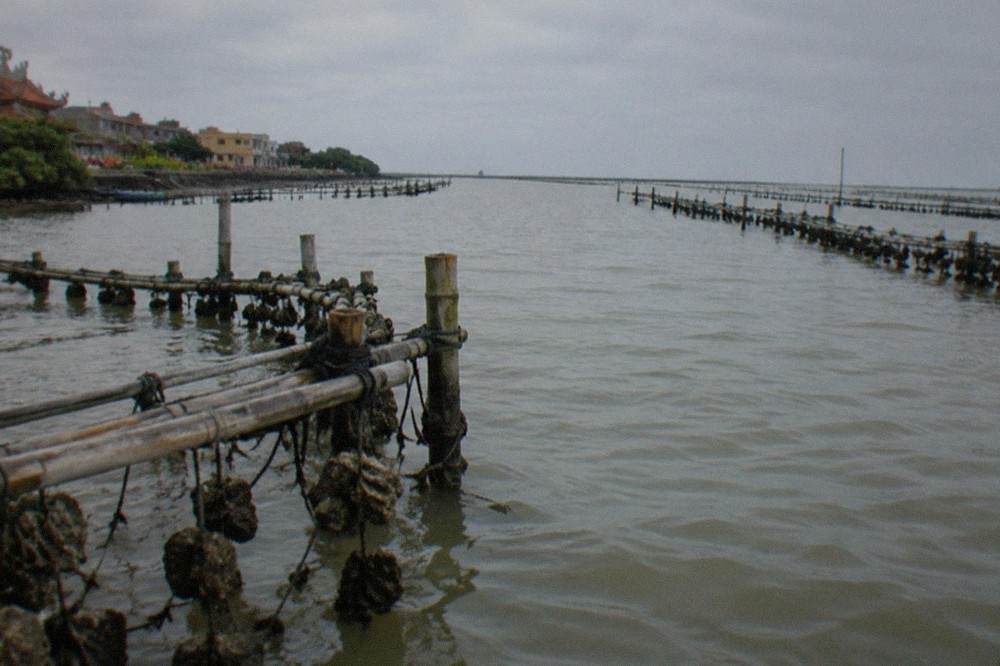
For a sense of how the coastal scenery ranks against the rest of the island, what is the most beautiful part of Taiwan covers the comparisons, and the honest summary is that Tainan's beauty is flat, watery and historical rather than alpine.
Should You Book Anything for the Coastal Side?
The lagoon boats and the salt flats are cheap and mostly pay-at-the-gate, but a guided day takes the transfer problem off the table, since the coast is awkward without wheels. If the old-city half of the visit appeals more, a walking tour with street food along the way covers the West Central District and Anping in one organized sweep.
Why Does Tainan's Location Matter for Your Trip?
Tainan's southwest position gives it the driest, most comfortable winter on Taiwan's west coast, puts it within a short HSR hop of both Taipei and Kaohsiung, and concentrates its crowds in January and February rather than summer, because temple pilgrimage and Lunar New Year, not beach weather, drive the peak. Plan around all three and the location works for you.
The Central Weather Administration's 1991 to 2020 normals for Tainan show the shape: 466 mm of rain in August across 16 wet days, against 16 mm in December across 3, with nearly three-quarters of the annual 1,761 mm falling May to September. October is the driest month by wet days, 2.8, while still averaging 30.8C maxima. In other words, the same southwest location that makes summer humid makes the October-to-March half of the year the pleasant one, and the visitor data follows: the Tourism Administration's 2023 dataset peaks in January and February at the temple sites, not in summer.
| Fact about Tainan's position | Figure |
|---|---|
| Districts | 37 |
| Mean annual temperature | 24.6C |
| Days above 30C per year | 186 |
| Annual rainfall | 1,761 mm |
| Annual sunshine | 2,185 hours |
| Wettest month | August, 466 mm |
| Driest month by wet days | October, 2.8 |
Typhoon risk concentrates in the late-summer months, and when the Tainan City Government declares a typhoon day, attractions and transport can suspend; the Tainan Art Museum, for example, states on its own hours page that it closes on such announcements. Within the city, buses are free for the first 8 km with an electronic card, a Citizen Card, iPASS, EasyCard or iCash 2.0, provided you tap on and tap off, under a scheme the city runs for the 2026 calendar year. The cash fare for the same trip is NT$26.
The qipao rental is a good example of how location and history meet in Tainan: the old streets of Anping, the fort walls and the canal backdrops are all within a short walk of each other, which is exactly what a day of photography in a rented dress needs.
Common Questions About Tainan's Location
Which Part Of Taiwan Is Tainan?
Tainan is in the southwest of Taiwan, on the island's west-coast plain. It is a special municipality of 37 districts, with Kaohsiung immediately to its south and the Taiwan Strait to its west. The old city sits on former inner-sea and lagoon land at Anping and the West Central District.
Is Tainan In The South Of Taiwan?
Yes, broadly, though not at the far southern tip. Tainan occupies the lower half of the west coast, north of Kaohsiung. The Zuoying to Tainan High Speed Rail fare is NT$140 standard, which gives a sense of how close the two cities are.
Is Tainan Near Taipei?
Not especially. Taipei is at the island's northern end, and the High Speed Rail fare between the two is NT$1,350 for a reserved standard seat. Tainan is much better connected to Kaohsiung and Chiayi, at NT$140 and NT$280 respectively.
Where Is The Tainan High Speed Rail Station?
The HSR station is not in central Tainan. It sits at Shalun in Guiren District, outside the old city, and reaching the center requires a transfer by the TRA Shalun Line, a paid railway ticket, or the H31 shuttle bus, which is free for HSR passengers showing a ticket stub.
What Is The Land Around Tainan Like?
Flat coastal plain, lagoons and mangroves along the coast, rising inland to low hills with hot springs at Guanziling and lotus fields at Baihe. The coast north of the city is protected within Taijiang National Park, including the Sicao Green Tunnel and the Qigu wetlands.
When Is The Best Time To Visit Tainan Given Its Location?
October to March is the dry, comfortable half of the year, with October averaging just 2.8 wet days. Rain concentrates from May to September, and typhoon risk peaks in the late-summer months. Visitor numbers, driven by temple pilgrimage and Lunar New Year, peak in January and February.
Tainan's position on the map is not trivia; it is the reason the city has lagoons, dry winters, cheap Kaohsiung connections and a pilgrimage-driven high season. Plan the trip around the southwest coast's rhythms rather than a northern-Taiwan template, and the location quietly does half the work for you.