What Is the Prettiest Town in Taiwan?
The prettiest town in Taiwan is Tainan, the island's old capital, where Dutch-era walls, Qing temples and lantern-lit old streets sit inside a compact, walkable city. Here is why, plus the towns that run it close.
What Is the Prettiest Town in Taiwan?
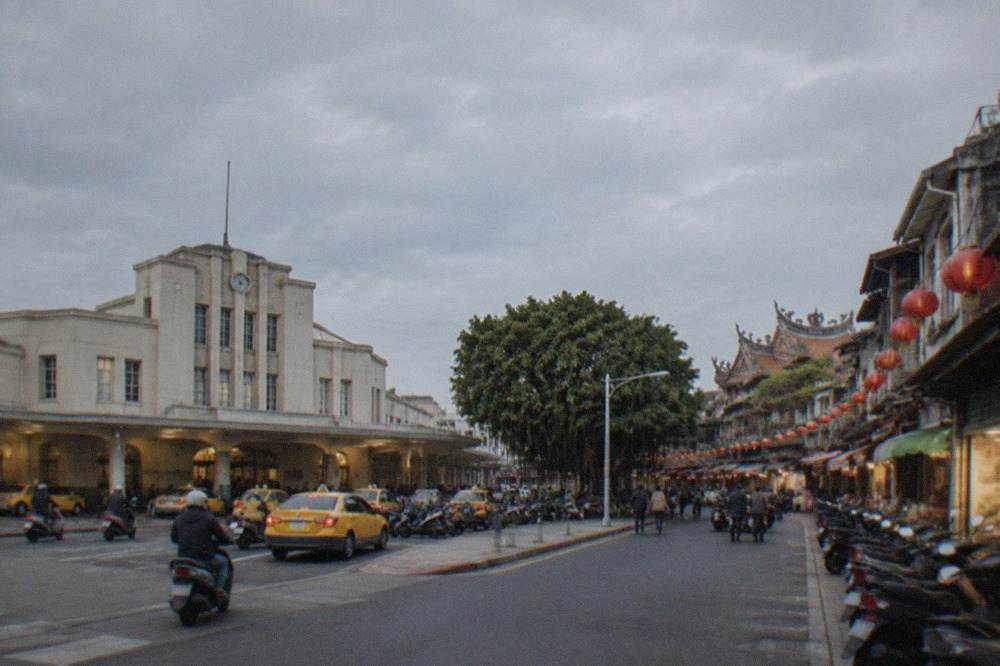
Beauty contests between towns are subjective, but Taiwan's has a defensible answer. The island's prettiest town is Tainan, the old capital in the island's southwest, where the remains of Dutch forts, Qing-dynasty temples, Japanese-era department stores and lantern-hung old streets sit within walking distance of one another. No other Taiwanese town layers four centuries of architecture into a space this compact, and the city's own tourism bureau documents more historic sites per neighborhood there than anywhere else on the island.
That claim deserves unpacking rather than just asserting, so this page does three things: it makes the case for Tainan, it names the towns that run it close, and it tells you when the city looks its best, using the Central Weather Administration's own climate records rather than guesswork.
What Is the Prettiest Town in Taiwan?
The prettiest town in Taiwan is Tainan, the island's capital for more than two centuries until the late nineteenth century. Its old core holds Fort Zeelandia's brick ramparts at Anping, the early-1650s Fort Provintia at Chihkan Tower, the island's first Confucius academy, and temple streets where incense has burned continuously since the Dutch and Qing periods, all within a walkable district.
Tainan's beauty is not one showpiece monument. It is density. The Dutch East India Company occupied the Anping sandbar in 1624 and completed Fort Zeelandia in 1634, and the Tourism Bureau's own page for Anping Old Fort records that the only genuine Dutch-period remains there are the brick walls of the south outer rampart. Everything else, the lookout tower visitors photograph, the white walls, is Japanese-era rebuilding and a 1975 city renovation. That honesty is part of the town's charm: the layers are visible and labelled, not faked.
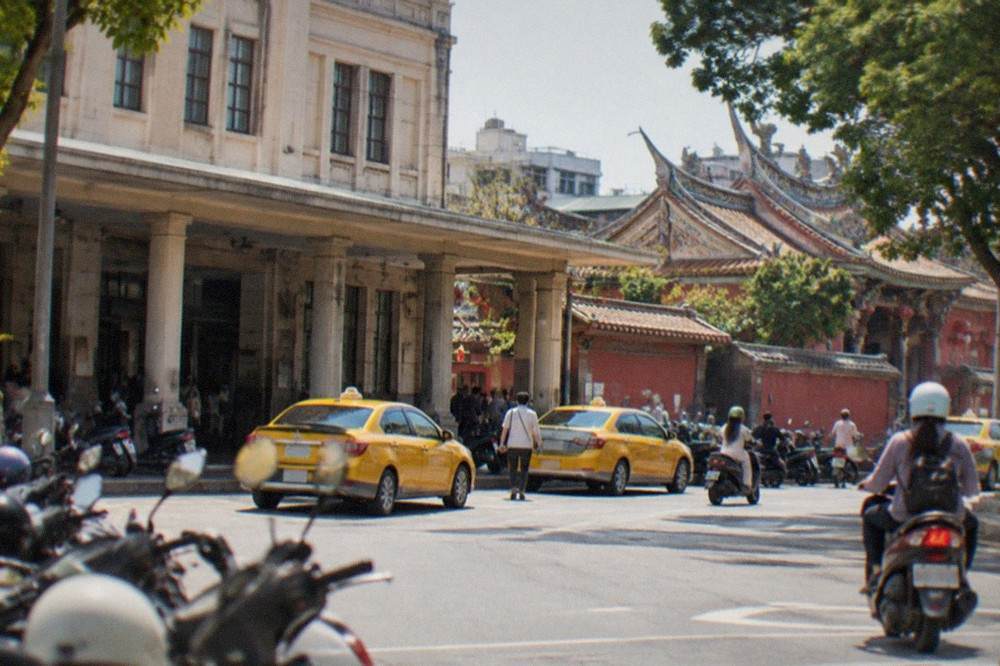
A few streets inland, Chihkan Tower marks where the Dutch built Fort Provintia in the early 1650s, on a site the bureau says became the administrative heart of Chinese Tainan. Around both, the city grew outward through the Qing period, adding the Grand Matsu Temple, the Sacrificial Rites Martial Temple and the Confucius Temple, the complex locally called the first academy of Taiwan. None of these is a ruin. They are working temples with morning-to-evening hours, free entry at several of them, and congregations that predate most nation states.
The visitor numbers make an argument of their own. The Tourism Administration's dataset for 2023 records Anping district drawing 4,441,443 visitors and Nankunshen Daitian Temple 6,583,100, against 443,622 for Chihkan Tower. People vote with their feet for the atmospheric districts, the old streets and the temple towns, not just the ticketed monuments. If you are weighing Tainan against other Taiwanese cities generally, our longer comparison of whether Tainan is worth visiting covers the practical side.
Why Tainan Beats the Big Cities for Looks
Tainan wins on looks because its historic core was never comprehensively redeveloped: Shennong Street's two-story shopfronts, the canal-side warehouses at Anping, and the walled courtyard of the Confucius Temple survive in use, while Taipei and Kaohsiung rebuilt around their monuments. The old capital's scale is human, with lanes too narrow for tour buses and facades that have accumulated rather than replaced one another.
Walk the grid between Chihkan Tower and the Grand Matsu Temple and the argument makes itself in brick. The streets are narrow, the buildings low, and the signage is still hand-painted in places. Japanese-era survivors like the Hayashi Department Store, which reopened as a heritage retail space, sit a few lanes from Qing temple gates. It is the only Taiwanese city where a Japanese-era department store, a Dutch rampart and a lantern street share a single afternoon's walk.
The prettiest single stretch is arguably Shennong Street, a restored merchant lane where the city's canal trade once stored its goods. At night the lanterns go on and the lane reads like a film set, except the shops are real and the incense from a side temple is real too. Our where to go in Tainan for the first time page maps the walk if you want the route.
There is also a museum argument. The Chimei Museum, a full European-style palace building set in parkland on the city's edge, charges NT$200 for its permanent collection and is closed every Wednesday. Its architecture alone draws photographers, and the question of whether the Chimei Museum is worth it gets a full treatment elsewhere on this site. The point here is simpler: Tainan is the only Taiwanese town where a classical palace museum, a Dutch rampart and a lantern street coexist within one bus network.
Which Other Towns in Taiwan Contend for the Title?
The strongest challengers to Tainan are Jiufen on the northeast coast, Lukang in Changhua County, Meinong in Kaohsiung's hinterland, and Guanziling in Tainan's own hills. Jiufen has the mountain-and-sea setting, Lukang the temple streets, Meinong the tobacco-barn countryside, and Guanziling the hot spring valley. Each is prettier than Tainan in one dimension, and none matches its range.
A fair comparison needs a table, so here is one, judged on what each place is actually known for rather than on invented ratings:
| Contender | What makes it pretty | Where it falls short of Tainan |
|---|---|---|
| Tainan | Four centuries of forts, temples, academies and old streets in one walkable core | Big-city traffic at the edges; the historic core is small |
| Jiufen | Teahouse lanes stacked on a mountainside above the sea | One street, essentially; crowded on weekends |
| Lukang | Some of Taiwan's oldest temple streets and craft workshops | Flat and compact, with less variety of eras |
| Meinong | Tobacco barns, oil-paper umbrellas and farm-country calm | Countryside beauty rather than architectural beauty |
| Guanziling | A hot spring valley with a fire-and-water spring | A resort village, not a full historic town |
Jiufen is the one travelers most often name against Tainan, and its setting is genuinely dramatic: a former mining town of teahouses and stair lanes clinging to a hillside above the Pacific. But Jiufen is a single beautiful street with a view, while Tainan is a whole city where the beautiful street is one of a dozen. Lukang is the honest second for temple architecture, and Meinong, which we cover in our Meinong day trip guide, wins for countryside: low-rise farm towns, lakes and umbrella workshops under wide skies.
Guanziling deserves its own word because it is inside Tainan itself, in the city's hilly Baihe and Xinhua country, where a valley of hot spring hotels and a rare fire-and-water spring sits among ridges. The city's festival calendar places the Guanziling Hot Spring and Food Festival there between September and November. A town can contain its own runner-up and still win.
When Does Tainan Look Its Prettiest?
Tainan looks its prettiest from October to March, when the city is dry, sunny and warm rather than hot. The Central Weather Administration's 1991 to 2020 normals for Tainan show October averaging just 30.8 mm of rain across 2.8 wet days while still reaching 30.8C maxima, and December dropping to 16.2 mm across 3 days. Nearly three-quarters of the annual 1,761 mm falls between May and September instead.
The climate table is the whole argument. August brings 466.1 mm of rain across 15.8 wet days; December brings 16.2 mm across 3. The Central Weather Administration's published normals for station 467410 record 2,185 hours of annual sunshine and a mean temperature of 24.6C, which means the dry half of the year is not just dry, it is beach-adjacent. Lantern light and temple roofs photograph better under that sky than under August's.
| Period | Rain | Character |
|---|---|---|
| October to March | 16 to 70 mm per month | Dry, warm, the pretty season |
| April | 69.8 mm | Warm and mostly dry |
| May to June | 165.6 to 370.5 mm | Plum rains arrive |
| July to September | 170.5 to 466.1 mm | Typhoon and downpour season |
There is one counter-intuitive wrinkle: the visitor data shows Tainan's peak months are January and February, driven by temple pilgrimage and Lunar New Year, not by any European idea of a summer season. The prettiest weather and the biggest crowds coincide. If you want the same streets quieter, the shoulder months of October, November and March give you the dry skies with fewer tour groups. Our best time to visit Tainan page works through the calendar month by month.
Night is the other half of the answer. Chihkan Tower stays open until 21:30 daily, an unusual late closing for a historic site, which means the old core is genuinely pretty after dinner, lit rather than shuttered. The night markets rotate by day of the week, with Garden open Thursday to Sunday and Friday the one night when all three big outdoor markets run at once, so an evening plan needs a calendar, not a whim. Check the city's pages before you go, because the days do change.
How Should You Experience the Prettiest Town in Taiwan?
Slowly, and on foot. Tainan's beauty is street-level, so the best format is a walking day through the old core, a boat ride through the Sicao mangroves, and an unhurried hour with tea or a museum. City buses are free for the first 8 km with an electronic card on the trunk and branch network, and you must tap on and tap off, which makes hopping between districts cheap for card holders.
The practical spine is simple. Chihkan Tower in the morning, the temple streets and Shennong Street through the afternoon, Anping by the canal before sunset, and a night market that matches the day of the week. The Sicao Green Tunnel boat through the mangroves costs NT$200 for either route, the short Green Tunnel or the longer Taijiang route, and both cost the same. The city's free-entry temples, the Confucius Temple, the Grand Matsu Temple, the Five Concubines Temple and Kaiyuan Temple, cost nothing at all, which keeps a day in the prettiest town in Taiwan remarkably cheap.
For depth, two experiences earn their place. A guided food and culture walk through the old quarter covers the street-food layer that the architecture sits on top of, and a 90-minute oolong tea ceremony is the closest thing the city has to a summary of itself: slow, layered and quietly formal.
If you are building a whole trip around the answer, the one day in Tainan and two days in Tainan itineraries sequence the pretty core in full, and our Tainan Travel Guide homepage collects the rest of the city, district by district.
Common Questions About the Prettiest Town in Taiwan
What Is The Prettiest Town In Taiwan?
Tainan, the island's old capital. Its walkable core holds Dutch-era ramparts, Qing temples, a Confucius academy and lantern-lit merchant streets, a range of eras no other Taiwanese town matches in one place.
Is Tainan prettier than Taipei?
For historic architecture, yes. Taipei's monuments are scattered and its core is modern; Tainan's old streets and temples are contiguous and walkable. Taipei wins for skyline and mountain scenery, Tainan wins for street-level beauty.
What is the most scenic small town near Tainan?
Guanziling, inside Tainan itself, is a hot spring valley with a rare fire-and-water spring. Further afield, Meinong offers tobacco-barn countryside, and the Qigu coast gives lagoon, salt flats and wetland sunsets.
What is the prettiest street in Tainan?
Shennong Street, a restored canal-era merchant lane of two-story shopfronts and hanging lanterns, is the usual answer. Anping Old Street, the old fishing quarter, is the runner-up.
When should I visit Tainan for the best photos?
October to March. The Central Weather Administration's normals show October averaging 2.8 wet days while still reaching 30.8C maxima, and December only 3 wet days, so the dry season gives reliable light on the temple roofs and lantern lanes.
Do I need a car to see the pretty parts of Tainan?
No. The historic core is walkable, city buses are free for the first 8 km with an electronic card, and the Sicao boats and Anping district sit on bus routes. A car only helps for the hill country around Guanziling and Baihe.
The honest summary: Taiwan has several beautiful towns, and the prettiest of them is the one that was beautiful longest. Tainan was the island's capital for more than two centuries, until the late nineteenth century, and the buildings that era left behind are still standing, still lit at night and still free to walk past. Plan your days around the dry season, match your night market to the day of the week, and the old capital will do the rest.