Is Fo Guang Shan Worth Visiting?
A planning answer for travelers based in Tainan: what Fo Guang Shan is, how to reach it from Tainan, what it costs, and whether it beats the city's own temples.
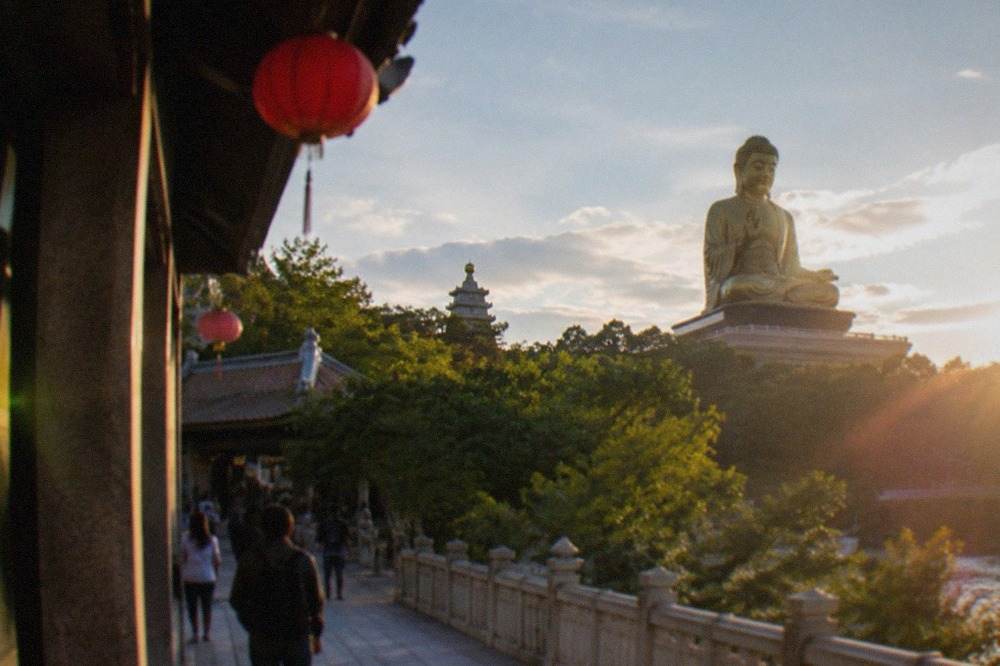
Is Fo Guang Shan Worth Visiting?
Fo Guang Shan is Taiwan's best-known Buddhist monastery complex, and it is not in Tainan at all. It sits in Dashu District, in neighboring Kaohsiung, roughly an hour's travel from central Tainan depending on the mode of transport chosen. That geography shapes the whole answer: this is a half-day to full-day detour from a Tainan itinerary, not a stop you can fold into a morning of temple-hopping in the old city. This page sets out what the monastery is, what getting there involves using the verified fares, and how it compares with the temples Tainan already has in its own streets.
Is Fo Guang Shan Worth Visiting?
Fo Guang Shan is worth visiting if you want scale, modern Buddhist architecture and a working monastery atmosphere, and it is skippable if your interest is old buildings, because the complex is a twentieth-century foundation and Tainan's own temples are centuries older. It is a destination in its own right in Kaohsiung, not a Tainan sight, so the honest answer depends on how many days you have and whether a detour south fits.
The case for going is scale and setting. Fo Guang Shan is one of the largest Buddhist monastic complexes in Taiwan, the headquarters of an international Buddhist order, and home to a giant seated Buddha statue that is one of the most recognizable religious landmarks on the island. The monastery is a living institution: monastics reside and work there, and the site functions as a pilgrimage destination as much as a tourist one. For a visitor whose image of Taiwanese religion comes from small street temples, the contrast is the point.
The case against is opportunity cost. Tainan is dense with historic temples that cost nothing to enter and sit inside walkable old neighborhoods. The verified facts on this site record the Tainan Confucius Temple, the Grand Matsu Temple, the Five Concubines Temple and Kaiyuan Temple all as free entry, with published hours. If your days in Tainan are short, the trade is a full detour to Kaohsiung against several centuries of accumulated temple architecture at your doorstep. Our day trip guide to Fo Guang Shan covers the practical route in detail.
Where Is Fo Guang Shan and How Far Is It from Tainan?
Fo Guang Shan is in Dashu District, Kaohsiung, on the east bank of the Gaoping River plain, outside both city centers. It is not a Tainan attraction despite appearing on many Tainan-focused itineraries, because the site sits well inside Kaohsiung's boundaries and reaching it means crossing most of the Kaohsiung side. Travel from central Tainan involves a train or bus into Kaohsiung and then onward local transport toward Dashu.
The geography matters for planning. Tainan and Kaohsiung are neighboring special municipalities, and the two city cores are close enough that day trips between them are routine; the Kaohsiung day trip options from Tainan are covered elsewhere on this site. But Fo Guang Shan is not on that direct corridor. It sits inland and east, so a visit usually means passing through the Kaohsiung urban area and then continuing toward the inland district of Dashu.
For most travelers the practical frame is this: Fo Guang Shan pairs naturally with a Kaohsiung day rather than a Tainan day. If you are already asking whether Kaohsiung is worth going to, the monastery is one of that city's headline sights and can anchor the inland half of a Kaohsiung itinerary. Treated as a Tainan side trip it is doable but eats most of a day once transfers are counted.
One more planning note on the pairing. Because the monastery sits inland, it does not combine naturally with Kaohsiung's harbor and waterfront sights, which sit on the opposite side of the city. A realistic Kaohsiung day either gives the morning to the waterfront and the afternoon to Fo Guang Shan with a long transfer in between, or gives the monastery the whole morning and keeps the afternoon loose. Travelers who try to force both halves into one rushed day usually end up seeing neither properly, which is the single most common complaint pattern in multi-stop southern Taiwan itineraries.
How Do You Get from Tainan to Fo Guang Shan?
The verified rail fare for the first leg is NT$140 on Taiwan High Speed Rail from Zuoying, Kaohsiung's HSR station, to Tainan, and the same figure applies in reverse. From Tainan, the route runs by HSR or conventional rail to the Kaohsiung side, then onward local transport toward Dashu District. No verified journey time in minutes can be stated here, so check the operator's timetable for the schedule.
The HSR leg is the fast option between the two cities. Taiwan High Speed Rail's own fare table lists Zuoying to Tainan at NT$140 for a reserved standard seat, one of the shortest and cheapest intercity runs on the network. One caveat that catches Tainan visitors in both directions: the Tainan HSR station is at Shalun in Guiren District, outside the old city, so any HSR itinerary builds in a transfer at each end. The Tainan HSR station guide covers that transfer, including the H31 shuttle that is free for HSR passengers on production of a ticket stub.
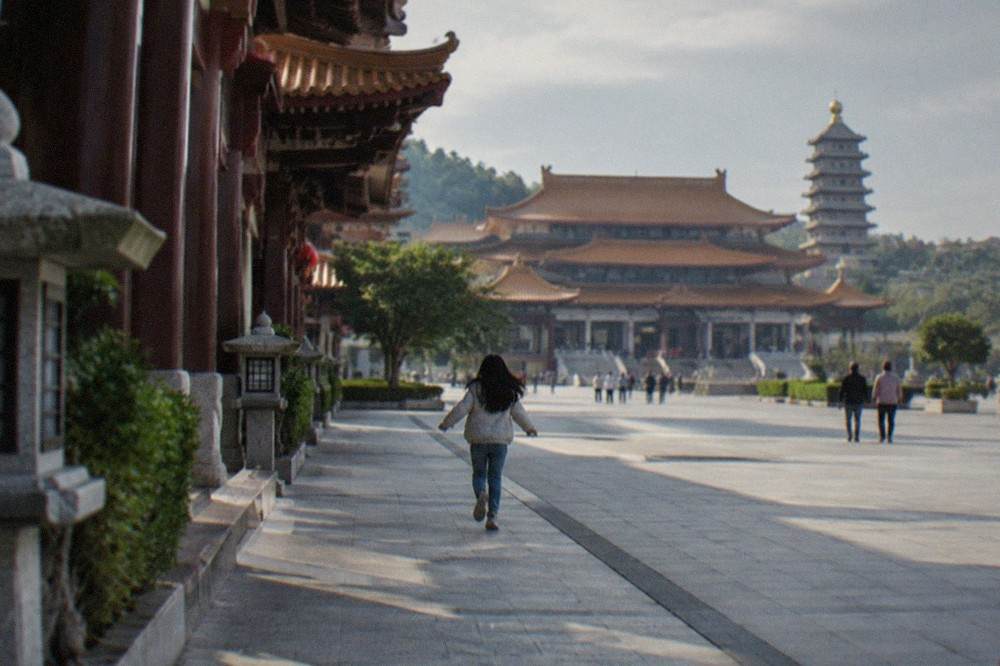
The verified fares for the intercity legs, from the operator's own fare table, are:
| HSR route to/from Tainan | Standard Car, reserved (NT$) |
|---|---|
| Zuoying (Kaohsiung) | 140 |
| Chiayi | 280 |
| Taichung | 650 |
| Taoyuan | 1,190 |
| Taipei | 1,350 |
| Nangang | 1,390 |
Read that table carefully if you check fares yourself. The operator's grid shows Business Car fares in one triangle and Standard Car in the other, and a quick glance can return the business figure and overstate the price by a wide margin. The numbers above are the standard reserved fares. For the onward leg from the Kaohsiung side to the monastery itself, local bus and shuttle options exist but their current fares and schedules are not in this site's verified facts, so confirm them with the Kaohsiung transport authority or the monastery's own visitor information before you commit to a day plan.
Should You Visit Fo Guang Shan or Tainan's Own Temples?
Visit Fo Guang Shan for scale, a modern monastic campus and the giant Buddha landmark; visit Tainan's temples for age, density and the experience of religious sites woven into ordinary streets. Tainan's own headline temples are free to enter, with published hours, while Fo Guang Shan requires the better part of a day of travel from Tainan, so the choice is really about how much time you have.
The two experiences are almost opposites. Fo Guang Shan is a planned, spacious complex: broad courtyards, monumental statuary, museum-style presentation and an institutional calm that comes from being built as a single vision. Tainan's temples are accretions: the Grand Matsu Temple, a former royal palace converted after the seventeenth century, the Five Concubines Temple with its tomb and garden, Kaiyuan Temple on the city's edge. They sit among shops and food stalls, and the city's tourism bureau records all four as free entry with daily hours.
| Tainan temple | Entry | Hours (per the city's pages) |
|---|---|---|
| Tainan Confucius Temple | free | 08:30 to 17:30 daily, closed Lunar New Year's Eve |
| Grand Matsu Temple | free | 06:00 to 21:00 daily |
| Five Concubines Temple | free | 08:00 to 17:00 daily |
| Kaiyuan Temple | free | 06:00 to 17:00 daily |
A reasonable rule of thumb, based on the verified visitor data rather than taste: Tainan's visitor numbers are driven by temple pilgrimage, not by its Dutch-era forts. Nankunshen Daitian Temple drew 6,583,100 visitors in 2023 against Chihkan Tower's 443,622, and the peak months are January and February, around Lunar New Year. Temple culture is the reason most people are in Tainan at all. If that is your interest, staying inside the city already puts you in one of the densest historic temple landscapes in Taiwan, and Fo Guang Shan adds a different, modern, monastic register rather than more of the same.
There is also a seasonal angle worth naming. The verified climate normals for Tainan show that October to March is the dry, comfortable half of the year, with October averaging fewer wet days than any other month while still reaching 30.8C maxima. A winter visit is the natural season for a long cross-city detour like this one, because the walking and waiting that a monastery day involves are far more pleasant without the summer heat, and the summer months concentrate both the rain and the typhoon risk in the south.
How Does Fo Guang Shan Fit a Southern Taiwan Itinerary?
Fo Guang Shan fits best as the Kaohsiung anchor of a southern Taiwan loop, paired with a Kaohsiung city day or as one stop on a multi-day route through Tainan, Kaohsiung and Kenting. Travelers with three or more days in the south can give Tainan two of them and spend the third crossing to Kaohsiung, with the monastery as the inland half of that day.
For shorter trips the arithmetic is unforgiving. With one or two days in Tainan, the old city, Anping and a night market already fill the time, and the first-time Tainan guide is a better use of planning effort than a cross-city detour. With three or more days, the south opens up: Tainan's historic core, then a Kaohsiung day in which Fo Guang Shan or the harbor area takes the inland half, then onward options toward Kenting if the trip runs longer.
Guided multi-day products exist for exactly this shape of trip, and they solve the transport question that makes Fo Guang Shan awkward for independent travelers on a tight schedule. The tours below cover the southern loop with transport and a guide included.
Common Questions About Fo Guang Shan
Is Fo Guang Shan Worth Visiting?
Yes, if you want one of Taiwan's largest Buddhist monasteries, a giant Buddha landmark and a modern monastic campus, and you have at least a spare day in the south. It is in Kaohsiung, not Tainan, so it is a detour rather than a city stop.
Is Fo Guang Shan in Tainan?
No. Fo Guang Shan is in Dashu District, Kaohsiung, Tainan's neighboring special municipality to the south. Reaching it from Tainan means crossing into the Kaohsiung side and then continuing inland toward Dashu.
How much does the train from Tainan to Kaohsiung cost?
Taiwan High Speed Rail lists Zuoying, Kaohsiung's HSR station, to Tainan at NT$140 for a reserved standard seat. The Tainan HSR station is at Shalun in Guiren District, outside the old city, so budget for a transfer at the Tainan end.
Can you do Fo Guang Shan as a day trip from Tainan?
Yes, but it consumes most of a day once transfers are counted. It pairs better as the inland anchor of a Kaohsiung day than as an add-on to a Tainan day.
Are Tainan's temples free?
The city's own pages list the Tainan Confucius Temple, Grand Matsu Temple, Five Concubines Temple and Kaiyuan Temple as free entry with daily published hours. Prices at ticketed sites are for reference and the on-site notice governs.
The short version: Fo Guang Shan earns its reputation, and it is a genuinely impressive site, but it belongs to Kaohsiung. Give it a day of a southern Taiwan trip when your itinerary already crosses the city line, and give Tainan's own free, centuries-old temples the mornings you have inside the old city. If the monastery's modern scale appeals, Tainan Travel Guide has the full day trip route, the Kaohsiung comparison pages and the itinerary builders to slot it into a southern loop without guessing at the transport.